What Is Actually Grown Along the Luxembourg Moselle Wine Route
The Luxembourg Moselle wine route runs through Schengen, where Riesling, Pinot Gris and Crémant de Luxembourg are poured in village cellars with river views.
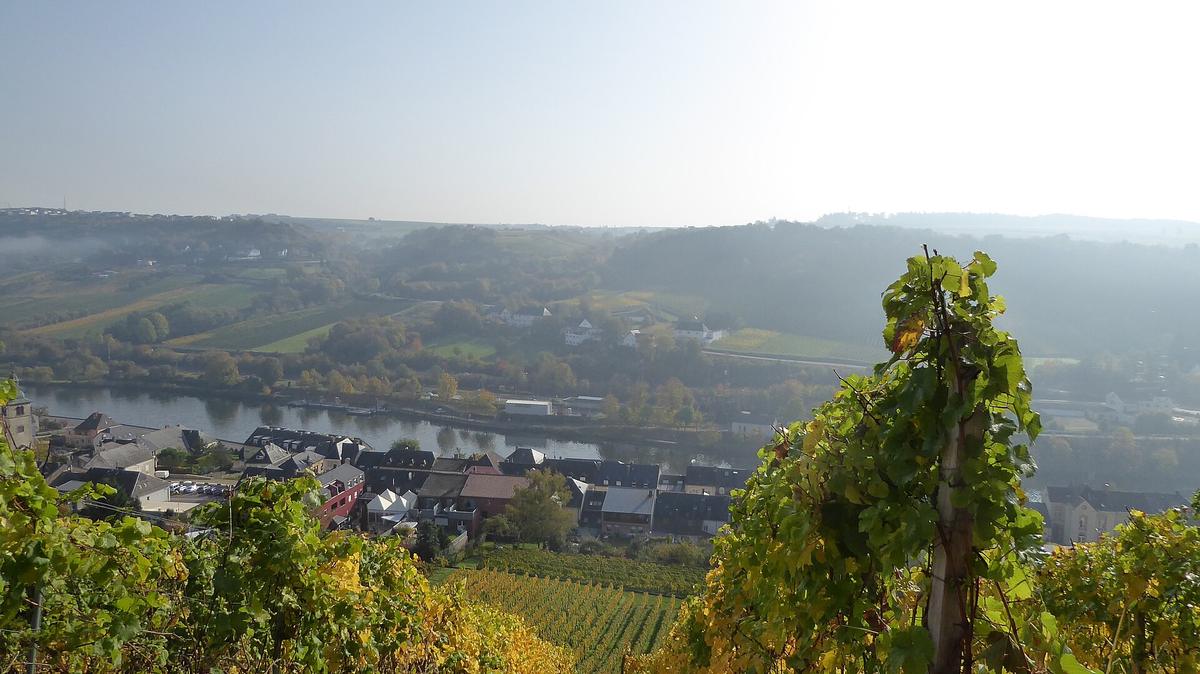

A Morning in Schengen, When the Mist Lifts Off the Vines
You step off the bus from Remich, and the first thing you notice is the quiet. The Schengen Agreement museum is a fifteen minute walk along the river. In between, there is nothing but the lap of water against moorings and the sound of a wine grower hammering a trellis post into the limestone slope. This is the southern anchor of the Luxembourg Moselle wine route, a 42 kilometre stretch of terraced vineyards that runs north to Wasserbillig.
The road that ties it together is the Wäistrooss, the Luxembourg Wine Road, which passes directly through the village. Most travellers arrive expecting a border town with pulse. This is a wine village first, a place where the main event is what grows on the hillsides. To understand why the Moselle Luxembourgeoise deserves a seat beside its German and French neighbours, start with the grapes, the sparkling wine that dominates production, and the cellar doors where you taste both.
Riesling, Pinot Gris, and the Grape That Outranks Them All
The limestone and marl soils of the Moselle valley lean toward white varieties, and the Luxembourg side grows seven of them for its still AOC wines. Riesling is the lead. It ripens slowly here, harvested from early to mid October, and produces wines with the same lean mineral spine you find across the river in Germany, but with a slightly fuller body. The Luxembourg growing sites catch more afternoon sun on the west bank. Pinot Gris runs a close second, giving a richer, rounder mouthfeel, especially from the lower slopes above the village. Auxerrois and Elbling fill in the rest of the picture.
Elbling is the surprise. It is the oldest cultivated grape in the region, a high acid variety that was the workhorse of the Moselle for centuries before Riesling displaced it. On the Luxembourg side, growers still bottle Elbling as a crisp, low alcohol table wine. You will find it poured in village cellars alongside the more famous names. Order a glass. The flavour is closer to a lean Muscadet than a Mosel Riesling, and it pairs exactly with the fried river fish that appears on every local menu from spring through autumn.
Crémant De Luxembourg: the Sparkling Wine That Owns the Valley
If still wine is the reason the Luxembourg Moselle exists, Crémant de Luxembourg is the reason it stays in business. Sparkling wine accounts for roughly 60 to 70 percent of all wine production in the Grand Duchy. The Crémant de Luxembourg AOC, classified under the Moselle Luxembourgeoise AOC, is the standard you will encounter in every glass from the village to Wasserbillig. It is made by the traditional method, the same process used in Champagne, but the price runs substantially lower. Expect to pay 12 to 30 euros a bottle at a village cellar for a well made brut that stands up to any entry level Champagne at double the price.
The Crémant you find in local cellars is based on Riesling, Pinot Blanc, Pinot Gris, and a small amount of Chardonnay. Pinot Noir is permitted too. It is leaner and more citrus driven than its French counterpart, partly because the ripeness levels in Luxembourg are lower. That makes it an ideal aperitif in summer. You will see it poured on the riverside terraces from May through September, often by the glass for 4 to 6 euros.
How The Tasting Works In A Village Cellar
Luxembourg Moselle has about 50 wineries, split between cooperative cellars and independent family domaines. The dominant cooperative is Domaines Vinsmoselle, with cellars in Grevenmacher, Wellenstein, Remich, Stadtbredimus, and Wormeldange. In the village itself, you will find smaller family run operations where the person pouring is the person who grew the grapes. Tastings are not free. You pay a flight fee, 8 to 15 euros for 3 to 5 wines, and you sit indoors or on a small terrace overlooking the river. There is no pressure to buy bottles afterward. The price range for still AOC wines runs 8 to 25 euros, well below what you would pay for the same bottle in a Luxembourg City restaurant.
Book ahead outside peak season. From November through March, many cellars close entirely or keep irregular hours. In summer, you can walk in at most domaines between 10am and 6pm. Sunday and Monday are the days most likely to lock you out. Plan your arrival midweek from Tuesday through Friday to have the widest choice and the fewest closed doors.
Ask for the Rieslingspaschtéit pairing. It is a wine flavoured meat pie, a Moselle speciality, and several cellars offer a glass of their Elbling alongside a slice. It is a heavy lunch, but it is the most regional thing you can eat here. The combination fixes the taste of the valley in a way that a tasting flight alone does not.

Common Questions
Can I taste Crémant de Luxembourg without visiting a cellar?
Yes. Every restaurant in the village with a wine list pours Crémant by the glass, and the riverside terraces in Remich, ten minutes by bus or bike, serve it throughout the summer. But cellar tastings let you try the reserve bottlings and the vintage dated cuvées that rarely leave the valley.
How long do I need to explore the Luxembourg Moselle wine route?
The full 42 kilometres to Wasserbillig takes 45 to 60 minutes by car without stops. To drive it with two or three cellar stops and a lunch, budget four hours. For a cycling tour of the southern section, from the village to Remich and back, allow a half day.
When is the harvest season, and can I see it happening?
The harvest runs from late September through late October. Elbling is picked from mid September, Riesling from early to mid October. You can walk the vineyard paths above the village during harvest, but most picking occurs early in the morning. Arrive before 9am to see it.
Are there wine festivals along the route?
Yes. Each village holds an annual festival between August and October. Wellenstein celebrates in August. The village, Remich, Grevenmacher and Wormeldange hold theirs in September, and Stadtbredimus in October. These festivals include tasting stands, local food, and live music along the main street.
Which grape variety should I drink if I want something unique to Luxembourg?
Elbling. It is the oldest cultivated grape in the region. While it is grown on the German Moselle too, the Luxembourg side bottles it as a serious still wine. The flavour is taut and saline, completely different from the rich Pinot Gris and the mineral Riesling the region is known for.
Can I take a boat trip from the village?
Yes. Boat trips depart from the village, Remich, Grevenmacher and Wasserbillig. Typical durations run one to two hours. The service runs from May to September only, and you buy tickets at the dock in town.
What is the one thing I should skip?
The Three Borders Point. It is a grassy marker where Luxembourg, Germany and France meet, and it is underwhelming. You can walk to it from the village centre in twenty minutes, but the view is not better than what you get from the river promenade. Spend that time in a cellar instead.
Read next
-
 SIM Cards, eSIMs, and Roaming Costs for Schengen Multi-Country Travel
Non-EU visitors face real connectivity costs across Schengen. Compare home roaming, local SIMs, and regional eSIM plans before you pack.
SIM Cards, eSIMs, and Roaming Costs for Schengen Multi-Country Travel
Non-EU visitors face real connectivity costs across Schengen. Compare home roaming, local SIMs, and regional eSIM plans before you pack.
-
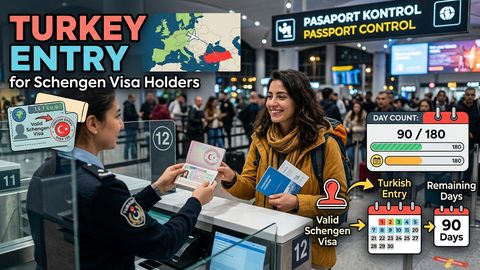 Turkey Entry for Schengen Visa Holders and How the Day Count Works
Learn how exiting Schengen for Turkey affects your 90/180-day count, plus ferry crossing options, Turkish visa requirements, and border documentation.
Turkey Entry for Schengen Visa Holders and How the Day Count Works
Learn how exiting Schengen for Turkey affects your 90/180-day count, plus ferry crossing options, Turkish visa requirements, and border documentation.
-
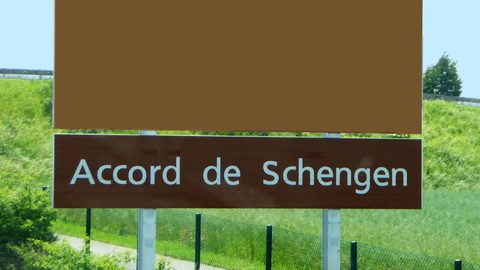 Why the Schengen Agreement Was Signed in a Village of 500 People
The Schengen Agreement was signed in a village of 500 people because it sits at the tripoint where Luxembourg, Germany and France meet, a powerful symbol for border-free travel.
Why the Schengen Agreement Was Signed in a Village of 500 People
The Schengen Agreement was signed in a village of 500 people because it sits at the tripoint where Luxembourg, Germany and France meet, a powerful symbol for border-free travel.