Why a Tiny Moselle Village Gave Its Name to the Border-Free Area
The Schengen Agreement was signed in a village of 500 people because it sits at the tripoint where Luxembourg, Germany and France meet, a powerful symbol for border-free travel.
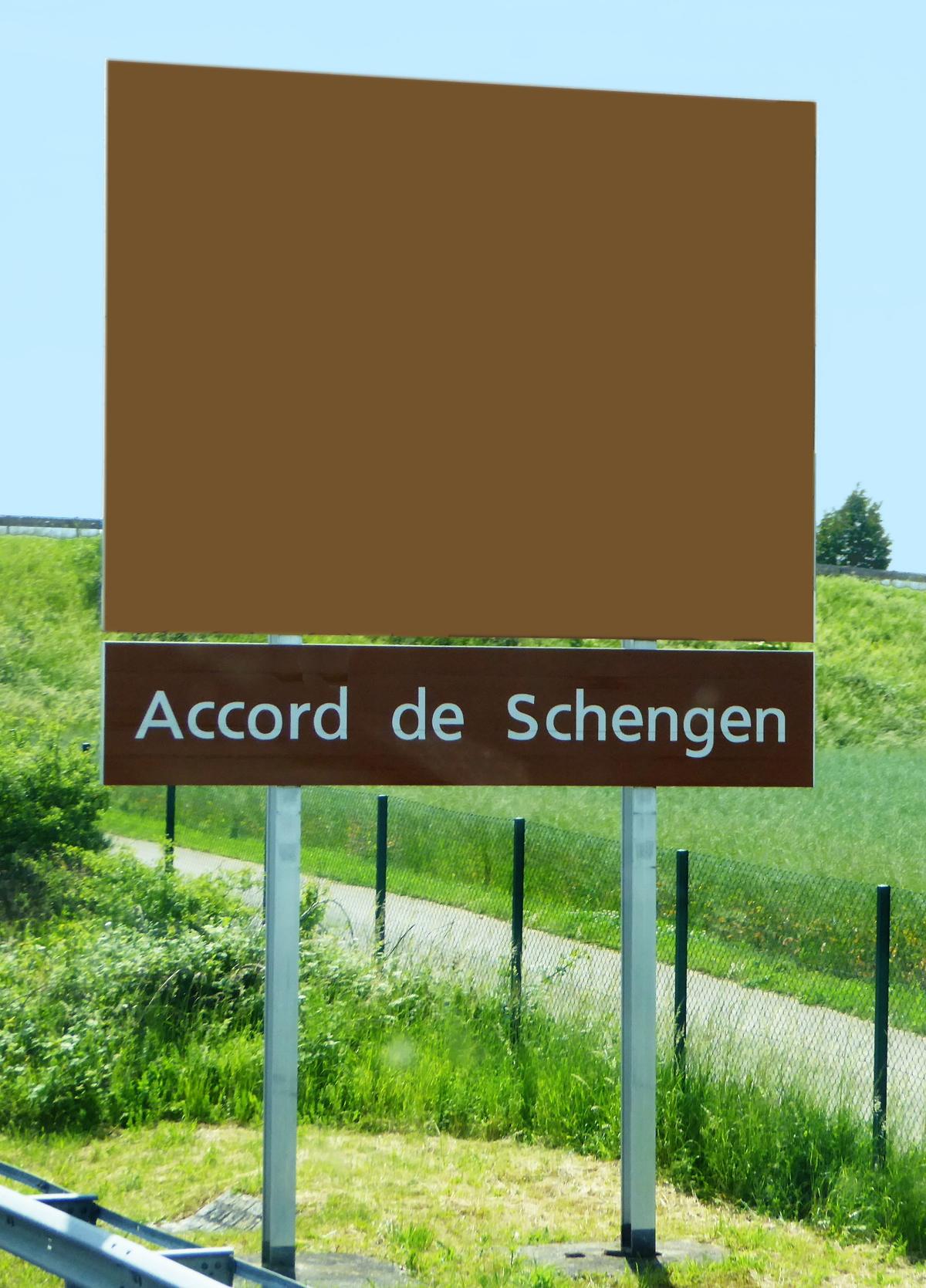

Why a Tiny Moselle Village Gave Its Name to the Border-Free Area
Most travellers assume the Schengen Agreement was signed in some grand capital or a neutral city like Geneva. Wrong. It was signed on a riverboat moored beside a Luxembourg wine village. The reason has nothing to do with size and everything to do with a grassy point where three countries touch. Understanding that choice means understanding what the Agreement was trying to end.
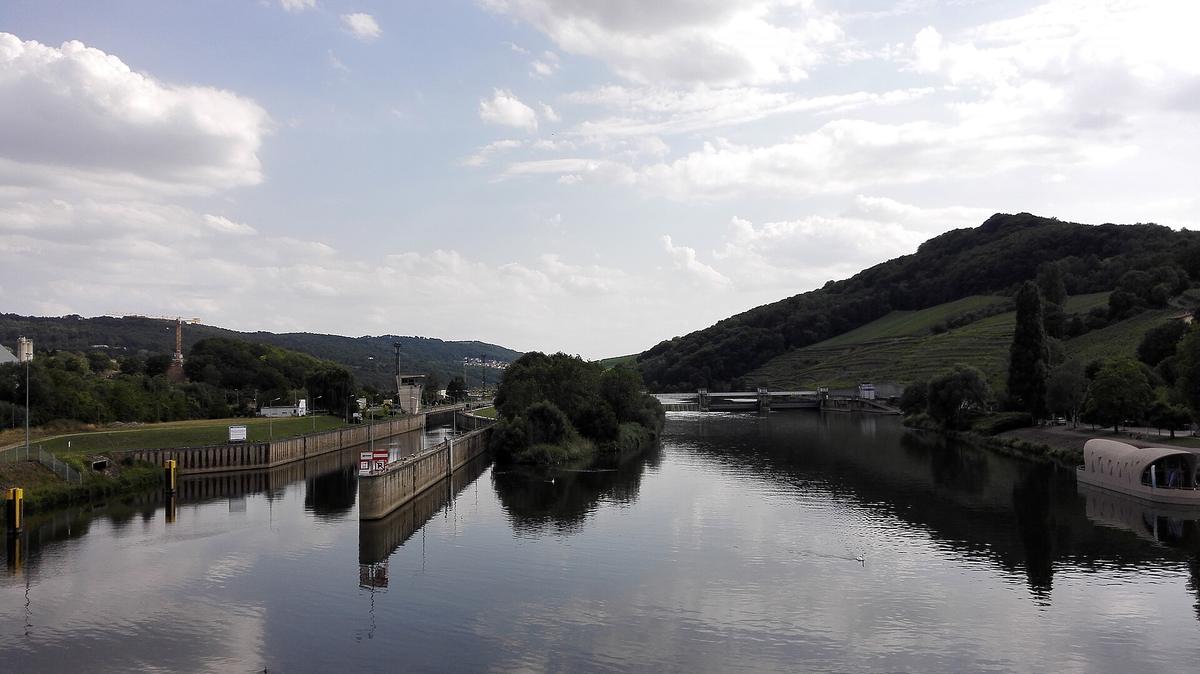
The signing took place on 14 June 1985 aboard the passenger vessel Princesse Marie-Astrid, anchored on the Moselle River near Schengen. Five countries signed that day: Belgium, France, West Germany, Luxembourg and the Netherlands. Luxembourg held the presidency of the European Communities in the first half of 1985 and needed a venue that sent a signal. A standard conference room in Brussels or Strasbourg would not do. The message had to be about abolishing borders, so the location had to sit directly on one.
That is where the tripoint comes in. At the confluence of the Moselle and Sauer rivers, a marker stands where Luxembourg, Germany and France meet. A traveller can stand there and be in three countries in ten seconds. In 1985 that spot was a physical barricade of checkpoints, fences and passport stamps. Putting the signing near it was deliberate. The contrast between what the tripoint then was and what the Agreement promised made the politics legible without anyone having to read the 31 articles of the formal title, which runs to over a dozen words itself: the Agreement between the Governments of the States of the Benelux Economic Union, the Federal Republic of Germany and the French Republic on the gradual abolition of checks at their common borders.
The boat solved a practical problem too. The village had no building large enough for the delegations, the press and the support staff. The hotel that could hold the guests did not exist. So the Luxembourg government chose a river vessel. It could float on the border river itself, it had enough space for the signing ceremony, and it reinforced the point that the real barrier was the riverbank, not the water. By 1990 the same countries signed the Convention implementing the Schengen Agreement on 19 June, and by 1 September 1993 that convention entered into force. Internal border controls between the original signatories, plus Portugal and Spain, were finally abolished on 26 March 1995. The Treaty of Amsterdam folded the Schengen acquis into EU law on 1 May 1999.
Today you can walk the same village. And that is where the surprise hits most visitors.
What You Actually Find in Schengen Today
Schengen is not a landmark town. It is a wine-growing village stretched along the river, quiet and slow. The main draws are river views, steep vineyard terraces and one modest museum. Dining and shopping are very limited, especially outside summer and on weekends. If you arrive expecting a busy tourist hub because the name is famous, you will be disappointed. That is the friction. Plan for it.
Getting There and Getting Around
The village core is compact. Walking is enough for the museum, the steel pillars and the riverfront. Do not assume there is a train station in Schengen itself. There is not. The nearest rail access is in Wellenstein or Remich, connected by free bus. Luxembourg public transport is free, including those buses. Fly into Luxembourg Airport (LUX), take bus 29 to the city centre, then train or bus to Schengen. That takes about 1 hour 15 minutes. By car from the airport, 30 to 35 minutes via the A1 and A13.
The Three Landmarks That Matter
Hit the European Museum Schengen, the Schengen Agreement Monument and the Three Borders Point in that order and you can cover the village in a few hours. But an overnight stay lets you enjoy the wine terraces and the river without rushing. Minimum one day. May to September is peak season. Avoid November to March, when many wine cellars, cafes and the tourist office run reduced hours or close entirely. Also avoid Sunday and Monday visits if you want food or museum access. That is the most common mistake, and it wastes a trip.
The monument you want is the Schengen Agreement Monument at Place de l'Accord de Schengen. It consists of three steel pillars, each with a single EU flag star cut out of the metal. Five plaques, one per original signatory, carry the national coat of arms and commemorative text. Do not confuse it with the Schengen Columns on the Esplanade Robert Goebbels, which are three Corten steel columns, each with one EU star. Both are worth a photo, but the riverside memorial is the one that directly marks the signing location.
The European Museum Schengen opened on 13 June 2010, one day before the 25th anniversary. It occupies the former Centre Européen building at 6 Rue Robert Goebbels. The permanent exhibition area is roughly 200 square metres. No advance booking is needed. The operator is the non-profit association Schengen asbl. Expect it to be small. It explains the Agreement well enough for a visitor who is not a policy specialist, but it is not a sprawling institution. Plan 45 minutes to an hour.
The Three Borders Point is walkable but underwhelming. It is a grassy marker where the three countries meet, not a major monument. Pair it with a walk on the riverfront promenade or the wine terraces above the village.
Where to Eat and Drink
Options are limited. Schengen Castle, a 19th century manor now a hotel and restaurant, is your most reliable sit-down meal. Outside summer, dinner may mean driving to Remich. Friture de la Moselle, fried river fish usually perch or zander served with white wine, is the local dish worth ordering. Rieslingspaschtéit, a wine-flavoured meat pie, is a regional speciality. For dessert, Quetschentaart, a plum tart, appears in village cafes in late summer. Wine tasting at a village cellar, often with a view over the water, is the activity that justifies the trip if you are not already a history enthusiast. Look for local Riesling and Pinot Gris, and try the Crémant de Luxembourg, the local sparkling wine.
What to Skip
Nightlife does not exist. Shopping does not exist. Families wanting playgrounds or attractions should skip Schengen entirely. Travellers expecting a full day of sightseeing will run out of things to do by early afternoon. The village is for wine tourists, EU-politics enthusiasts, cyclists and walkers wanting gentle river routes, couples seeking a quiet overnight stop, and day-trippers combining it with Remich or Luxembourg City. If you do not fit that profile, go somewhere else.
Connecting the Politics to the Place
The physical place makes the political history legible in a way a museum in Brussels never could. Walk from the riverside memorial at Place de l'Accord de Schengen down to the promenade. Stand at the edge of the water and look across to Germany on one bank and France downstream. In 1985 that view meant checkpoints. A few hundred metres from the promenade is the tripoint, where three national territories converge. Today you cross without thinking. That is the point of the location.
The village was not chosen for its facilities. It was chosen because the problem the Agreement solved had its sharpest physical expression here. The boat was a necessity born of the village's scale. The contrast between the modest setting and the historic event is itself the story. The Agreement's formal name mentions the gradual abolition of checks at common borders. Schengen is where the checks were most visible and most absurd: three different sets of passport officers within a short walk. The name stuck because the place was so clearly the problem. That is why a tiny wine village on the river gave its name to an area that now spans 29 countries.
For the traveller, the takeaway is direct. Arrive knowing what you are getting. A quiet afternoon on the river, a short museum visit, a glass of Crémant on a vineyard terrace, and the odd satisfaction of standing where three policed lines became a single open space. That is the experience. It does not need to be more than that.
_64.jpg)
| Event | Date | Location | Signatories Involved |
|---|---|---|---|
| Agreement signed | 14 June 1985 | Princesse Marie-Astrid, Moselle River near Schengen | 5: Belgium, France, West Germany, Luxembourg, Netherlands |
| Implementing Convention signed | 19 June 1990 | Not specified on vessel; Convention formalised | Same 5, later extended |
| Convention entered into force | 1 September 1993 | N/A (legal effect) | Original signatories |
| Internal border controls abolished (original plus later joiners) | 26 March 1995 | N/A (policy change) | 7: Belgium, France, Germany, Luxembourg, Netherlands, Portugal, Spain |
| Schengen acquis integrated into EU law | 1 May 1999 | Treaty of Amsterdam | EU member states |
Who This Place Suits and Who Should Skip it
Schengen suits wine tourists exploring the river valley, history and EU-politics enthusiasts, cyclists and walkers wanting gentle routes, couples seeking a quiet overnight stop, and day-trippers combining it with Remich or Luxembourg City. It does not suit nightlife seekers, shoppers, families wanting attractions or playgrounds, or travellers expecting a full day of sightseeing. Skip it if you want urban energy or if you are not already interested in wine, cycling or the Schengen Agreement story. The village delivers exactly what it promises: a quiet riverside stop where a borderless idea began. It does not pretend to be more.
Common Questions
Why was the Schengen Agreement signed on a boat?
The village had no building large enough to host the delegations, the press and the support staff from all five signatory states. The Luxembourg government chose the passenger vessel Princesse Marie-Astrid, anchored on the Moselle River, because it had enough space and could float directly on the border the Agreement aimed to abolish.
Can you stand in three countries at once in Schengen?
Yes. The Three Borders Point, where Luxembourg, Germany and France meet at the confluence of the Moselle and Sauer rivers, is a walkable grassy marker. It is deliberately modest, not a major monument, but the spot is exactly where the three borders converge.
How long do you need in Schengen village?
The village and museum can be covered in a few hours. However, an overnight stay lets you enjoy the wine terraces and the river without rushing. Minimum one day. If you are staying only for the museum and monument, plan 2 to 3 hours total.
What is the biggest mistake travellers make when visiting Schengen?
Visiting on a Monday or in winter expecting the museum, wine cellars and restaurants to be open. Many assume Schengen is a large town because of its political fame, then arrive to find a village with only a few hours of activity. Always check opening hours and avoid November to March.
Is the European Museum Schengen worth visiting?
Yes, if you are interested in the Agreement's story. It is small, about 200 square metres, and no advance booking is needed. Plan 45 minutes to an hour. It explains the political context clearly. If you only want to see the monument and the tripoint, you can skip the museum without missing the physical experience of the place.
Read next
-
 SIM Cards, eSIMs, and Roaming Costs for Schengen Multi-Country Travel
Non-EU visitors face real connectivity costs across Schengen. Compare home roaming, local SIMs, and regional eSIM plans before you pack.
SIM Cards, eSIMs, and Roaming Costs for Schengen Multi-Country Travel
Non-EU visitors face real connectivity costs across Schengen. Compare home roaming, local SIMs, and regional eSIM plans before you pack.
-
 Turkey Entry for Schengen Visa Holders and How the Day Count Works
Learn how exiting Schengen for Turkey affects your 90/180-day count, plus ferry crossing options, Turkish visa requirements, and border documentation.
Turkey Entry for Schengen Visa Holders and How the Day Count Works
Learn how exiting Schengen for Turkey affects your 90/180-day count, plus ferry crossing options, Turkish visa requirements, and border documentation.
-
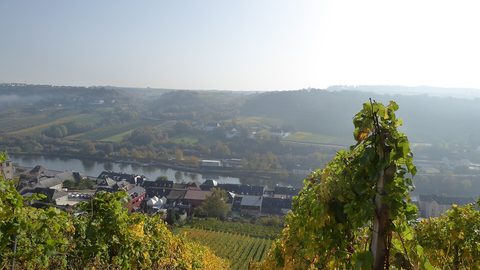 Luxembourg Moselle Wine Route Riesling Crémant and Village Cellars
The Luxembourg Moselle wine route runs through Schengen, where Riesling, Pinot Gris and Crémant de Luxembourg are poured in village cellars with river views.
Luxembourg Moselle Wine Route Riesling Crémant and Village Cellars
The Luxembourg Moselle wine route runs through Schengen, where Riesling, Pinot Gris and Crémant de Luxembourg are poured in village cellars with river views.