What You Can Actually Visit at Schengen Castle
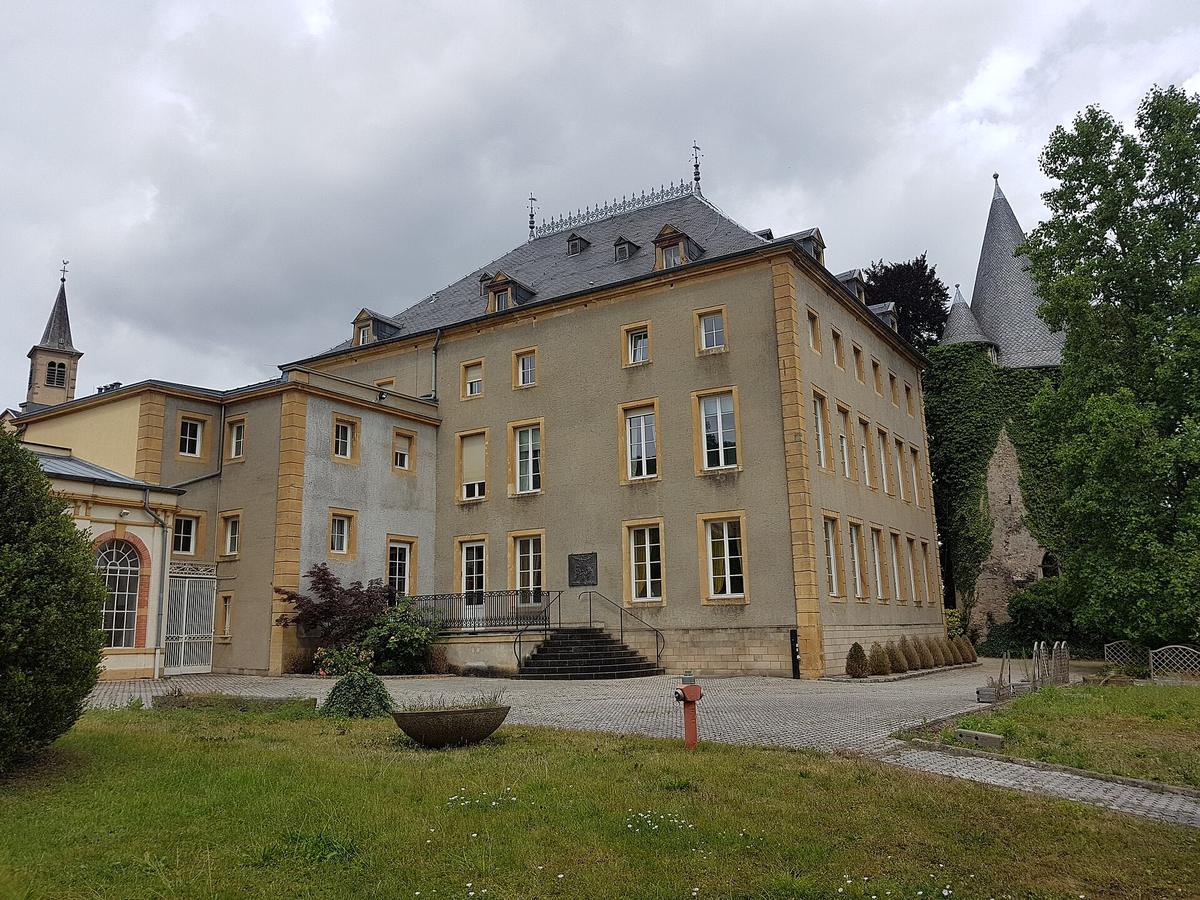
Schengen Castle is a 19th-century manor now operating as a hotel and restaurant. The surviving tower is visible, but the interior is not a historic museum.

Getting Inside Schengen Castle
Schengen Castle is a hotel and a restaurant, not a historic monument open for public tours. You cannot walk through furnished rooms, read exhibit panels about the Collart family, or see Victor Hugo's bedroom. The building operates as a private conference venue and overnight accommodation. That distinction matters the moment you arrive expecting a château museum. If you want to see the interior beyond the restaurant and the small meeting spaces, book a room or a table. That is the single most useful fact about visiting Schengen Castle, so start with it.
The Accessible Exterior And Grounds
The castle's exterior and grounds are fully accessible. The medieval tower, the only surviving original element from the 1350 moated castle, stands at the northeast corner of the manor. Walk right up to it, enter its base, and see the stonework that predates the 1812 rebuilding. The gardens are open for wandering. The grounds let you get close enough to photograph the sober, rectangular facade without obstructing guests or events.
Pairing The Castle With The Museum
The European Museum Schengen sits beside the castle on the same small property. Pair an exterior circuit of the manor with a proper museum visit about the Schengen Agreement. The total time needed for the castle exterior, the tower, and the museum is roughly an hour. Do not budget a half day for the castle alone.
- First Mentioned In Writing: 1350
- Original Form: Moated castle
- Present Building: Rebuilt in 1812
- Surviving Original Element: Medieval tower, accessible to visitors
- Current Use: Hotel and conference venue
- Public Access: Tower, gardens, and grounds are open to all
- Relation To European Museum: Beside the castle
- Victor Hugo Connection: Yes, he stayed and drew the castle
The Dining Experience at Schengen Castle
The restaurant inside Schengen Castle is the primary way the public experiences the interior. Dinner here gives you access to the manor's dining rooms, the terrace overlooking the Moselle, and the building's 19th century proportions without needing to book a hotel room. The menu focuses on Moselle staples: friture de la Moselle, the fried river fish served with local Riesling, and the richer Rieslingspaschtéit, a wine flavoured meat pie. Expect Crémant de Luxembourg by the glass as an aperitif. Order Quetschentaart for dessert if you visit in late summer when plums are in season.
Booking And Timing Your Meal
Reservations are essential, especially from May through September when river terrace seating is the whole point of the meal. Walk ins work in low season but fail in July and August when Moselle day trippers fill every table. The restaurant does not run a continuous service between lunch and dinner, so plan your arrival around the published meal times. Arrive at 15:00 expecting coffee and cake and you will find locked doors. Budget around 40 to 60 euros per person for a full meal with wine. Spend less if you stick to a single course and a glass.
What The Dining Room Is Not
The dining rooms themselves are not a museum. Dark wood, large windows, white tablecloths. The atmosphere is formal enough for a business dinner but relaxed enough for a couple stopping overnight. Do not come expecting period furniture or historical displays. The room is a working restaurant, and the castle's history is confined to a single framed drawing of the manor that Victor Hugo made during his visit. Ask your server if you want to see it; it is not on prominent display.
Managing Expectations for the Village and the Castle
Schengen itself is a wine growing village stretched along the Moselle, not a landmark town. Visitors arrive expecting something larger because of the famous Agreement signed here, and find a quiet, slow paced place where the main draws are river views, vineyards, and one modest museum. The castle sits in the village centre, a short walk from the European Museum and the three steel pillars that mark the Schengen Agreement Monument. The setting is pleasant, not dramatic. The manor looks like a country house, not a Loire château. That honesty will save you the disappointment that hits travellers who imagined a turreted fortress with guided tours in multiple languages.
The Tower And The Hugo Connection
The tower is the only part of the castle that feels old. Climb the narrow stairs, look at the medieval stonework, and you have seen the 14th century element that survived the 1812 reconstruction. The rest of the building, the rectangular block with its symmetrical windows and pitched roof, dates entirely from the 19th century. Victor Hugo drew this building in its current form. If you are a fan, that drawing and the knowledge that he stayed here is your reward. There is no Hugo themed room or exhibit.
Practicalities In The Village
Dining and shopping options in Schengen are limited, especially outside summer and on weekends. The castle restaurant is one of the few reliable dinner options in the village itself. Skip it and you are driving to Remich, ten minutes away by car, for alternatives. Public toilets are scarce outside the museum and the castle restaurant terrace. The museum itself keeps limited hours and closes on Mondays, so your castle visit, tower access, and museum trip all need to happen on a Tuesday through Sunday between late morning and late afternoon. November through March, many wine cellars and cafes run reduced hours or close entirely, and the river valley turns grey and damp. May through September is the window when the dining terrace, the wine cellars, and the cycling paths all cooperate.

Who Should Visit and Who Should Skip
Book Schengen Castle if you are a wine tourist exploring the Moselle, an EU politics enthusiast who wants to stand beside the actual building where the Agreement was discussed, a cyclist following the Moselle towpath, or a couple seeking a quiet overnight stop on the river. The best way to see the property is to arrive by bike, walk the grounds, photograph the tower, eat lunch on the terrace, and visit the museum next door. That is a focused two hour stop, not a day trip.
Do not come here for nightlife, shopping, attractions for children, or a full day of sightseeing. The village has no playground, no busy square, no evening scene. The border point where Luxembourg, Germany, and France meet is a grassy marker, not a monument worth a detour. If you want urban energy or if you are not already interested in wine, cycling, or the Schengen Agreement story, skip the castle entirely. Spend your time in Remich or Luxembourg City instead.
Common Questions
Can I tour the inside of Schengen Castle without staying overnight or eating at the restaurant?
No. The interior is a hotel and conference venue. Public access is limited to the restaurant, the tower, the gardens, and the grounds. You cannot walk through guest rooms or function halls.
Is the medieval tower at Schengen Castle open to the public?
Yes. The tower is the only surviving original element from the 1350 moated castle. You can enter its base and see the medieval stonework free of charge during the castle's daytime hours.
How much time should I spend at Schengen Castle?
Budget one hour for the tower, gardens, grounds, and a look at the exterior. Add another hour if you combine it with the European Museum Schengen beside it. Do not plan a half day here.
When is the best time to visit Schengen Castle for dinner?
May through September, when the river terrace is open and the dining rooms are full. Reserve ahead. Avoid November through March, Sunday, and Monday, when the restaurant and many village services run reduced hours or close.
Read next
-
 European Museum Schengen
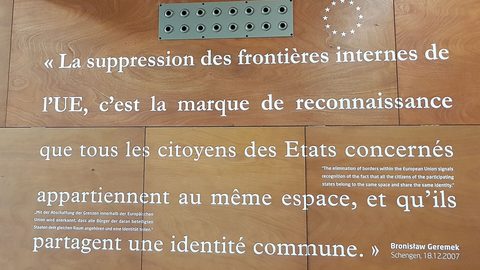
The European Museum Schengen is a modern, modest museum explaining the border-free Agreement. It is well-executed but small, and closed Mondays and Tuesdays.
European Museum Schengen
The European Museum Schengen is a modern, modest museum explaining the border-free Agreement. It is well-executed but small, and closed Mondays and Tuesdays.
-
 The Koch'haus
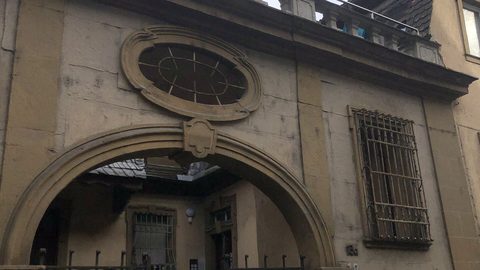
The Koch Haus is a baroque building standing beside Schengen Castle. Its current use is not a public museum, so access depends on events and functions.
The Koch'haus
The Koch Haus is a baroque building standing beside Schengen Castle. Its current use is not a public museum, so access depends on events and functions.
-
 Flying to Luxembourg and when a neighbouring airport works better
Luxembourg Airport is convenient but has limited airlines. Sometimes flying into Frankfurt, Brussels, or Paris and taking a train saves hundreds. Compare your options.
Flying to Luxembourg and when a neighbouring airport works better
Luxembourg Airport is convenient but has limited airlines. Sometimes flying into Frankfurt, Brussels, or Paris and taking a train saves hundreds. Compare your options.
-
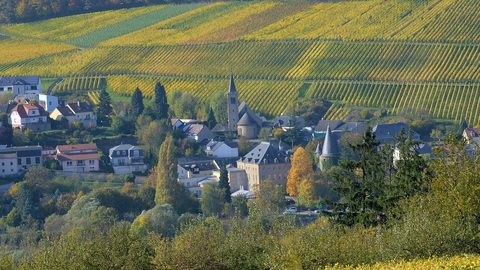 Best Time to Visit Luxembourg – Weather, Closures, and Fireworks
May to September brings the best walking weather and terrace-drinking season, but avoid August when many Luxembourg restaurants and shops close for holidays.
Best Time to Visit Luxembourg – Weather, Closures, and Fireworks
May to September brings the best walking weather and terrace-drinking season, but avoid August when many Luxembourg restaurants and shops close for holidays.
-
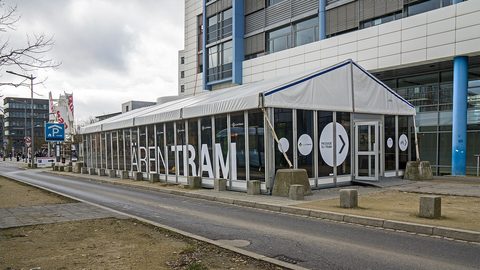 Getting Around Luxembourg – Yes, the Buses and Trains Are Actually Free
All buses, trams, and trains in Luxembourg are completely free nationwide with no ticket needed. The catch is weekend frequency on rural routes.
Getting Around Luxembourg – Yes, the Buses and Trains Are Actually Free
All buses, trams, and trains in Luxembourg are completely free nationwide with no ticket needed. The catch is weekend frequency on rural routes.
-
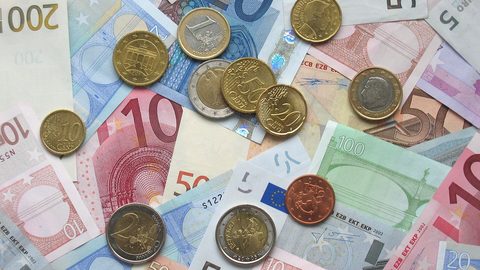 Luxembourg Prices and Money Tips – Why Lunch Costs More Than You Think
Luxembourg uses the euro and cards are accepted everywhere, but the prices for a simple meal or a round of drinks catch even prepared travellers off guard.
Luxembourg Prices and Money Tips – Why Lunch Costs More Than You Think
Luxembourg uses the euro and cards are accepted everywhere, but the prices for a simple meal or a round of drinks catch even prepared travellers off guard.
-
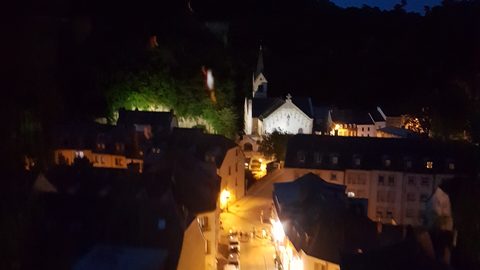 Is Luxembourg Safe? The Honest Answer With the Caveats Worth Naming
Luxembourg is exceptionally safe, but the Gare district after dark, unlit valley staircases, and late-night tram encounters are worth knowing about.
Is Luxembourg Safe? The Honest Answer With the Caveats Worth Naming
Luxembourg is exceptionally safe, but the Gare district after dark, unlit valley staircases, and late-night tram encounters are worth knowing about.
-
 Luxembourg trip costs and why free transport does not make it cheap
Free buses and trams do not make Luxembourg cheap. Expect €25-35 lunch mains, €6-8 beers, and hotels rarely under €180. Here is a realistic daily budget breakdown.
Luxembourg trip costs and why free transport does not make it cheap
Free buses and trams do not make Luxembourg cheap. Expect €25-35 lunch mains, €6-8 beers, and hotels rarely under €180. Here is a realistic daily budget breakdown.
-
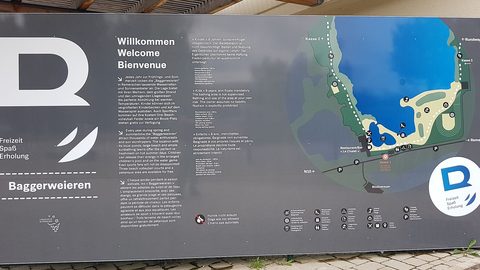 Remerschen
 is a Moselle wine village of about 765 people, and the commune it sits in was named after it until 2006. Then the council voted to call itself Schengen instead.
Remerschen
Remerschen is a Moselle wine village of about 765 people, and the commune it sits in was named after it until 2006. Then the council voted to call itself Schengen instead.