Safety in Luxembourg City and Beyond – What to Actually Watch For
Luxembourg is exceptionally safe, but the Gare district after dark, unlit valley staircases, and late-night tram encounters are worth knowing about.
Gare Centrale After Dark and Other Real Luxembourg Safety Tips
Get off the tram at Gare Centrale after 11 p.m. You step around a cluster of men loitering by the bike racks, speaking loudly across the platform. This is the most unsafe moment you will have in Luxembourg. It is not unsafe. It is mildly uncomfortable. That distinction matters. The generic reassurance that Luxembourg is one of the safest countries in Europe is true. It is also useless. You need the specific, non-obvious things that actually go wrong, not the fantasy that nothing ever does.
Luxembourg’s real risks are specific: the Gare district after dark, the unlit staircases between Grund and the upper city, the late tram with a drunk passenger. The theft rate is low. The violent crime rate is near zero. The homicide rate sits at 0.6 per 100,000 population. But safe does not mean frictionless. Know where the friction lives. That stops you from being the tourist who learns it the hard way.
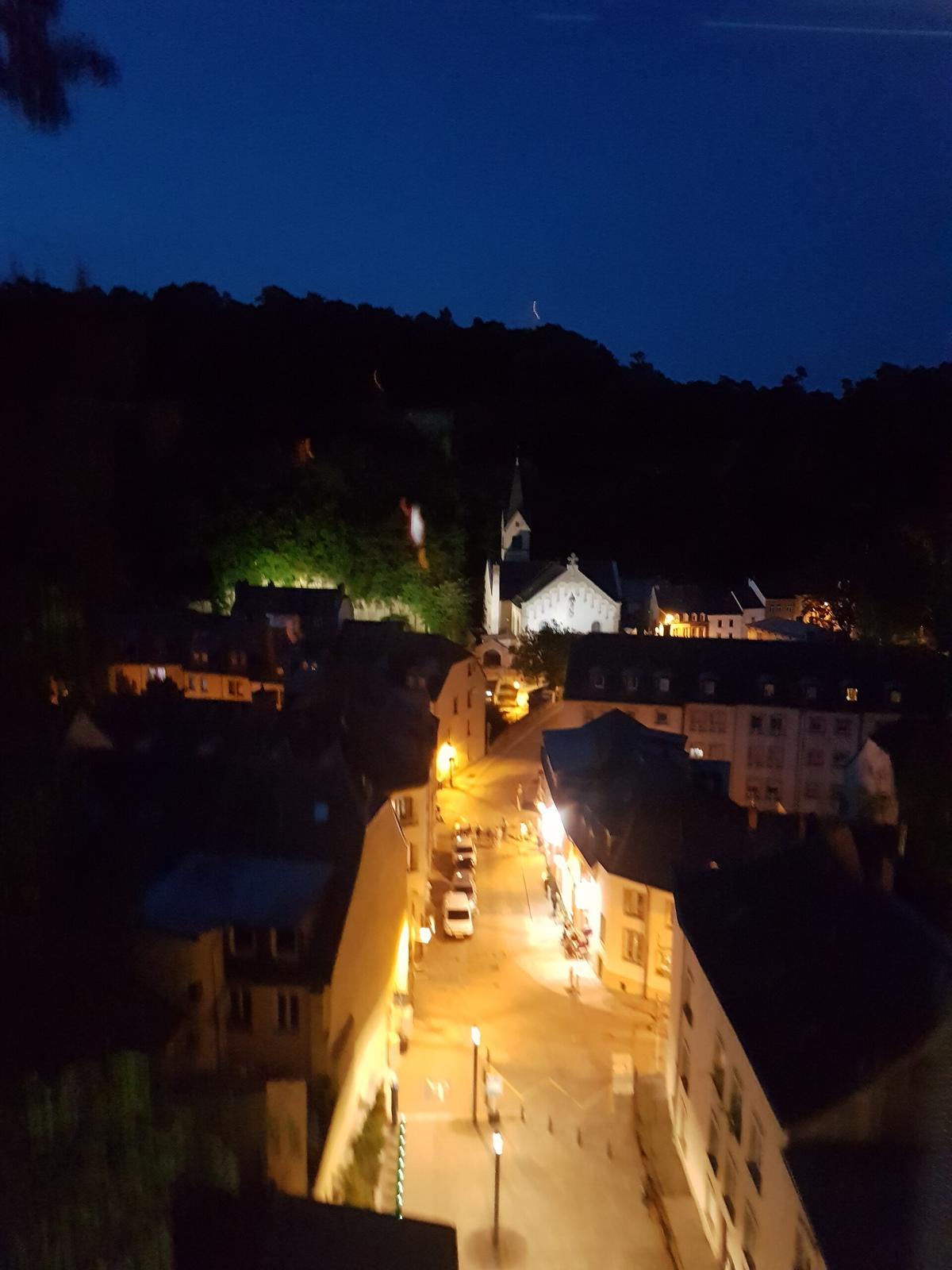

The Gare District is the Only Place That Feels Edgy
Walk through the Gare area during the day without a second thought. After dark, put your phone in your front pocket and zip your bag. The Ville Haute is polished, patrolled, and lit like a museum. The Gare quarter around the central station is different. It is the transport hub, the multicultural eating district, and the place where petty crime concentrates. Pickpocketing risk is lower than Paris, Brussels, or Amsterdam. It is not zero, and it clusters here. The streets around the station and Place de Paris host the majority of reported incidents. Bonnevoie, just east of the station, also appears on the police call log more often than anywhere else in the capital.
Do not avoid these areas. Treat them like a normal European city at night. Stay aware. The difference between Luxembourg and a genuinely risky city is that you do not need to change your route or take a taxi. You just need to pay attention. The same rule applies to nightlife areas late in the evening.
The Stairs Will Hurt You More Than Any Person Will
The real physical danger in Luxembourg is the topography. The city is built on two levels. The upper city, Ville Haute, sits on a plateau. The Grund district sits in the valley below, along the Alzette River. Connecting them is a network of steep, narrow staircases. Some are lit. Some are not. Some are stone, worn smooth by centuries of feet. In the rain they become a hazard.
How to Get Back Up After Midnight
After midnight, when the bars in Clausen close, those unlit staircases are where a rolled ankle or a fall happens. Here is the failure case: you are in Grund at 1 a.m., the night bus is not running on the line you need, and the Pfaffenthal Panoramic Elevator has closed for the night. You have two choices. Climb the stairs slowly with your phone torch on. Or walk the longer, flatter route via the Wenzel Walk path that switchbacks up. The Wenzel Walk is the safer choice. It takes about 20 minutes instead of 8. Take it. A sprained ankle in a country with free public transport will still cost you a taxi and a pharmacy visit.
| Risk Type | What Actually Happens | Who It Affects | How To Handle It |
|---|---|---|---|
| Gare district after dark | Loitering, occasional aggressive panhandling, phone snatching | Late travellers, solo women, phone-out tourists | Keep phone in pocket; walk with purpose; stay on main streets |
| Unlit staircases Grund/Ville Haute | Falls, twisted ankles in darkness or rain | Bar-goers walking home after midnight | Use the Wenzel Walk or Pfaffenthal lift during hours; carry a phone torch |
| Late trams and buses | Inebriated passengers on free public transport | Anyone riding after 11 p.m. on weekends | Move to the front near the driver; exit if uncomfortable |
| Scam cost | None common; overcharging at tourist restaurants near casemates | Day-trippers who do not check prices | Read menu prices before sitting; avoid Rue du Marché-aux-Herbes cafes |
| Wildfire | Low to moderate risk in dry summers; affects forest trails only | Hikers in Grünewald and Müllerthal | Check local fire warnings; avoid trails in July during heatwave |
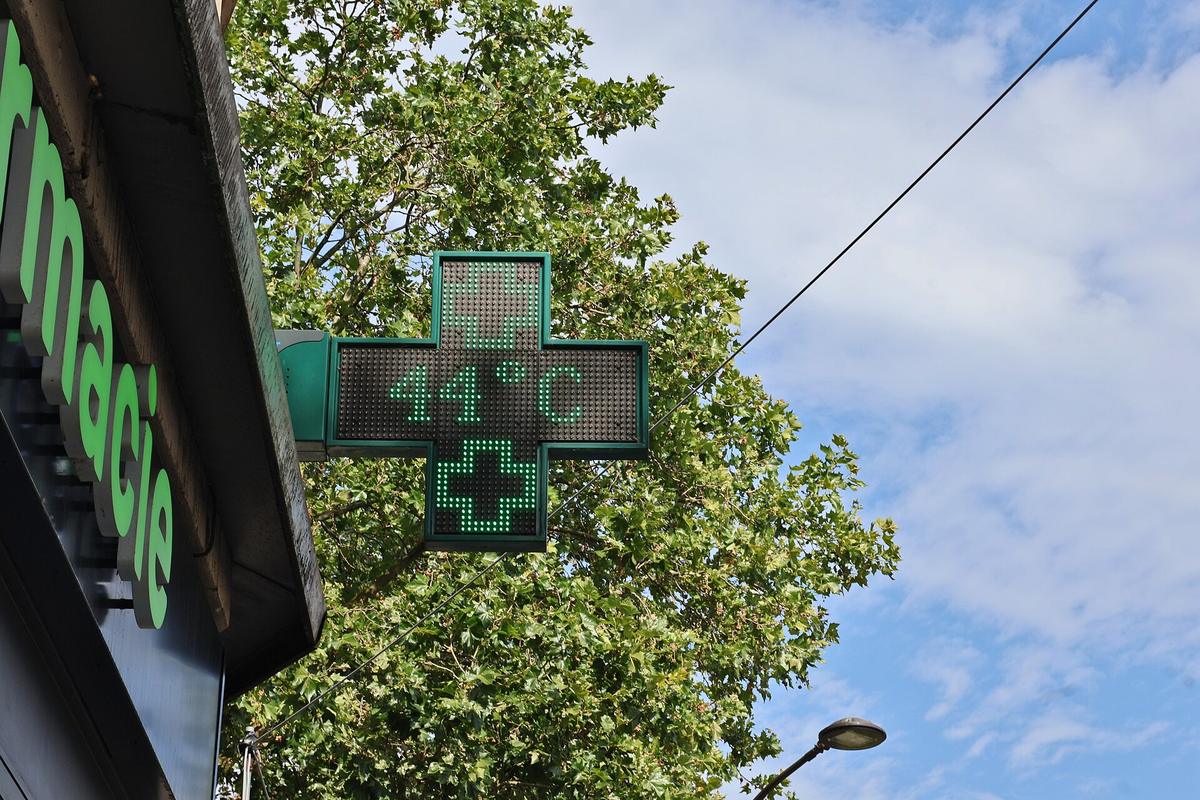

Free Transport Has a Downside Nobody Mentions
All public buses, trams, and trains in Luxembourg are free. No ticket. No barrier to boarding. That is a fantastic policy for your wallet. It also means anyone can get on, stay on, and behave badly with no consequence until a police patrol boards. Incidents are rare. They happen. The late trams on weekends, especially the tram line from Gare to Kirchberg after 11 p.m., occasionally carry passengers who have had too much.
Here is the failure case: a drunk man sits next to you and starts talking loudly. You cannot move because the tram is full. Stand near the front, within sight of the driver. The driver will not intervene, but your proximity discourages escalation. If you feel genuinely unsafe, get off at the next stop and wait for the next tram. Trams run every 10 minutes until about 1 a.m. on weekdays and 2 a.m. on weekends.
During the day, free transport is uniformly safe. The risk is only on late-night routes, and only on weekends. Treat it the same way you would treat a late-night metro in any European capital, with slightly more confidence because the actual crime numbers are lower.
What to Do If You Need Help at 2 a.m.
The emergency number for police is 113. For medical or fire, dial 112. Both are free and operate in English. The Centre Hospitalier de Luxembourg on Rue Barblé has a 24/7 emergency department. The Hôpital Kirchberg on Kirchberg plateau also has a 24/7 emergency room. If you need a pharmacy after hours, the pharmacie de garde rotation system means one pharmacy in the city stays open. Call 112 or check the door of any closed pharmacy for the rota notice. Emergency dental care is available through the hospital emergency departments. The poison control centre is reachable at +352 8002 5500. Write the police non-emergency number down too: 244 40 1000, for lost property or non-urgent reports.
Common Questions
Is Luxembourg City safe to walk alone at night as a woman?
Yes, with the same caveats as any safe European capital. The Gare district feels less comfortable after 10 p.m.; stick to well-lit main streets and avoid the unlit staircases between Grund and the upper city. The Ville Haute, Kirchberg, and Belair districts are safe at any hour. Carry your phone in your pocket, not your hand, and walk with purpose.
What is the most common crime tourists face in Luxembourg?
Non-violent theft and petty crime, specifically pickpocketing and bag snatching. It concentrates in the Gare quarter, Bonnevoie, around Place de Paris, and in nightlife areas late in the evening. The risk is lower than Paris, Brussels, or Amsterdam, but it is not zero.
Are there any neighbourhoods in Luxembourg City I should avoid?
No neighbourhoods that you should avoid entirely. The Gare district and Bonnevoie are the petty crime hotspots, but they are also where affordable hotels and multicultural restaurants are. Use normal city awareness after dark and you will be fine.
Is it safe to use public transport late at night?
Yes. The free network means no ticket barriers, so late evening trams and buses can have inebriated passengers, especially on weekends. Sit near the front, near the driver. If you feel uncomfortable, get off at the next stop and wait for the next vehicle. Night bus services are limited to a few lines on weekends.
What is the emergency number in Luxembourg?
Police is 113. Medical or fire is 112. Both operate in English. The police non-emergency number is 244 40 1000. For poison control call +352 8002 5500. Roadside assistance on motorways is 26000 (ACL).
Do I need travel insurance for Luxembourg even though it is safe?
Yes. EHIC or GHIC covers medically necessary state-provided healthcare only, but does not cover private hospital costs, repatriation, or non-urgent care. Travel insurance is still strongly advised for those gaps.
Is the tap water safe to drink in Luxembourg?
Yes, tap water is potable across the entire country. Bottled water is an unnecessary expense and an environmental waste.
Read next
-
 Flying to Luxembourg and when a neighbouring airport works better
Luxembourg Airport is convenient but has limited airlines. Sometimes flying into Frankfurt, Brussels, or Paris and taking a train saves hundreds. Compare your options.
Flying to Luxembourg and when a neighbouring airport works better
Luxembourg Airport is convenient but has limited airlines. Sometimes flying into Frankfurt, Brussels, or Paris and taking a train saves hundreds. Compare your options.
-
 Best Time to Visit Luxembourg – Weather, Closures, and Fireworks
May to September brings the best walking weather and terrace-drinking season, but avoid August when many Luxembourg restaurants and shops close for holidays.
Best Time to Visit Luxembourg – Weather, Closures, and Fireworks
May to September brings the best walking weather and terrace-drinking season, but avoid August when many Luxembourg restaurants and shops close for holidays.
-
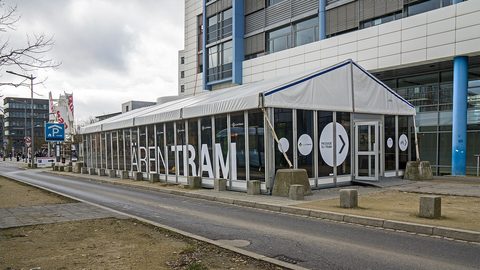 Getting Around Luxembourg – Yes, the Buses and Trains Are Actually Free
All buses, trams, and trains in Luxembourg are completely free nationwide with no ticket needed. The catch is weekend frequency on rural routes.
Getting Around Luxembourg – Yes, the Buses and Trains Are Actually Free
All buses, trams, and trains in Luxembourg are completely free nationwide with no ticket needed. The catch is weekend frequency on rural routes.
-
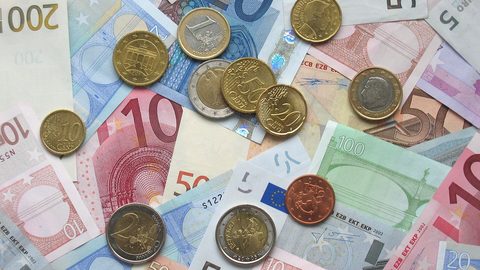 Luxembourg Prices and Money Tips – Why Lunch Costs More Than You Think
Luxembourg uses the euro and cards are accepted everywhere, but the prices for a simple meal or a round of drinks catch even prepared travellers off guard.
Luxembourg Prices and Money Tips – Why Lunch Costs More Than You Think
Luxembourg uses the euro and cards are accepted everywhere, but the prices for a simple meal or a round of drinks catch even prepared travellers off guard.
-
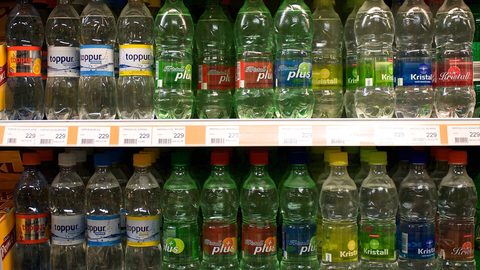 Luxembourg trip costs and why free transport does not make it cheap
Free buses and trams do not make Luxembourg cheap. Expect €25-35 lunch mains, €6-8 beers, and hotels rarely under €180. Here is a realistic daily budget breakdown.
Luxembourg trip costs and why free transport does not make it cheap
Free buses and trams do not make Luxembourg cheap. Expect €25-35 lunch mains, €6-8 beers, and hotels rarely under €180. Here is a realistic daily budget breakdown.
-
 Luxembourg Public Holidays – When Everything Shuts and One Day Is Uniquely Local
Luxembourg's public holidays mean full closures, and the Sunday rest rule is taken seriously. One celebration, the Grand Duke's Birthday, is uniquely local.
Luxembourg Public Holidays – When Everything Shuts and One Day Is Uniquely Local
Luxembourg's public holidays mean full closures, and the Sunday rest rule is taken seriously. One celebration, the Grand Duke's Birthday, is uniquely local.
-
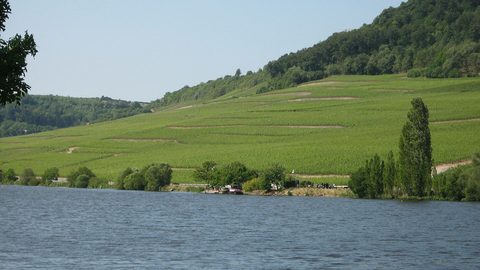 Schengen
 is a quiet wine-growing village stretched along the Moselle, not the busy landmark town most visitors expect. River views, vineyards and one modest museum define the experience.
Schengen
Schengen is a quiet wine-growing village stretched along the Moselle, not the busy landmark town most visitors expect. River views, vineyards and one modest museum define the experience.
-
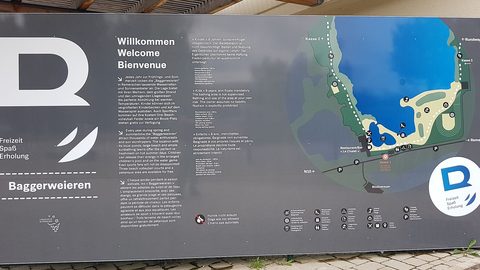 Remerschen
 is a Moselle wine village of about 765 people, and the commune it sits in was named after it until 2006. Then the council voted to call itself Schengen instead.
Remerschen
Remerschen is a Moselle wine village of about 765 people, and the commune it sits in was named after it until 2006. Then the council voted to call itself Schengen instead.
-
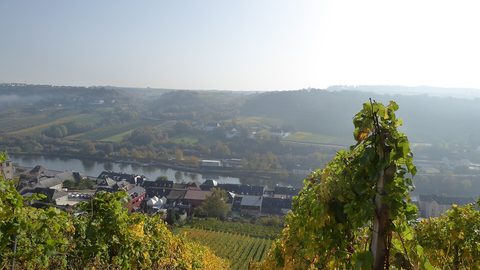 Luxembourg Moselle Wine Route Riesling Crémant and Village Cellars
The Luxembourg Moselle wine route runs through Schengen, where Riesling, Pinot Gris and Crémant de Luxembourg are poured in village cellars with river views.
Luxembourg Moselle Wine Route Riesling Crémant and Village Cellars
The Luxembourg Moselle wine route runs through Schengen, where Riesling, Pinot Gris and Crémant de Luxembourg are poured in village cellars with river views.