How Expensive Is Luxembourg Really? A No-Sugar Money Guide
Luxembourg uses the euro and cards are accepted everywhere, but the prices for a simple meal or a round of drinks catch even prepared travellers off guard.
How Expensive is Luxembourg Really? a No-Sugar Money Guide
Luxembourg is not expensive relative to Switzerland. That comparison understates the sting. The country’s price level index for household final consumption expenditure sits at 152.1 against an EU average of 100, the highest in the entire Eurozone. Food and non-alcoholic beverages run 25% above the EU average. Restaurants and hotels push 29% above. You pay Swiss prices in a country you can drive across in 45 minutes. That psychological gap is what catches travellers off guard. A casual lunch in Ville Haute costs double what you pay for the same plate across the border in Trier, Germany, 50 minutes away by train. The geography is small. The bill is not.
The Daily Budget That Actually Works
What A Realistic Day Costs
Plan for a realistic daily spend per person, not counting accommodation. Budget for a sit-down lunch, a coffee, one drink at a bar in Grund, a casual dinner, two public-transport hops (free, so zero cost), and entrance to one landmark. Eat a market-stall Gromperekichelcher for lunch and skip the drink and you keep the total low. Dine in Ville Haute with a glass of wine and a main course at a mid-range restaurant and the figure climbs sharply. Cook from a supermarket or eat standing up and you might slip below €90 a day. Luxembourg is not for bargain hunters.

Why Every Meal Costs More Than You Expect
The Price On The Plate
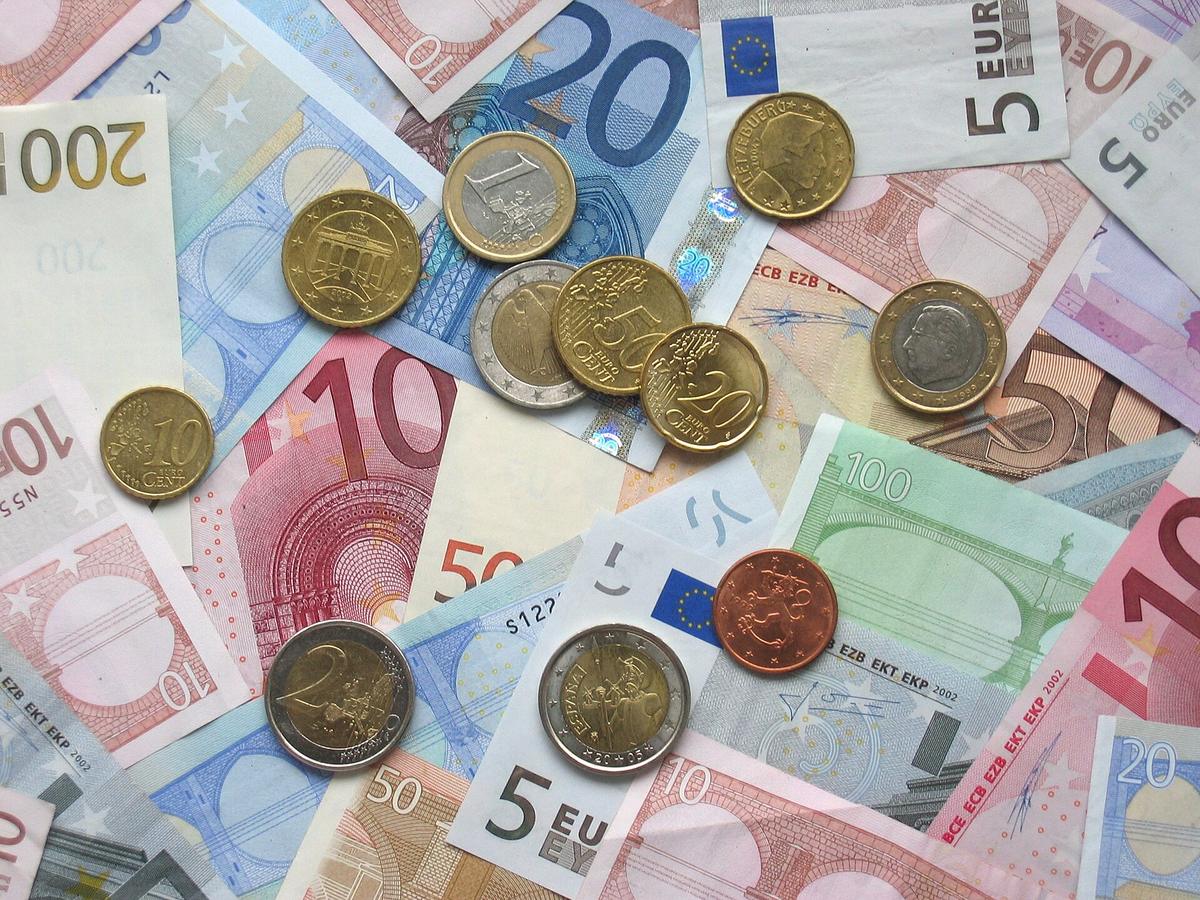
The food price level index hits 125.2 against the EU100 baseline. That is not because ingredients are exotic. Luxembourg imports nearly everything, its labour costs are high, and the small domestic market means no economy of scale. A Judd mat Gaardebounen plate in a Ville Haute restaurant runs €22 to €28. A glass of local Riesling costs €6 to €8. A coffee at a counter in Gare costs €3.50. In Trier, that same coffee is €2.80, the same glass of wine €4.50, and the same pork dish €15 to €18.
Shop Across The Border
Cross-border grocery shopping is routine. Residents drive to Arlon in Belgium for some food items and tobacco, or to Trier for electronics and household goods. Do the same if you are on a multi-country road trip and passing through. Pack a picnic from a German supermarket before crossing into Luxembourg.
What You Pay for a Drink After Dark
The Alcohol Loophole
Alcohol is the one exception where Luxembourg undercuts its neighbours. Excise duties on spirits and sparkling wine are significantly lower here than in Germany, Belgium, or France. A cocktail in Clausen costs €10 to €14, competitive with any mid-sized European capital. A bottle of Crémant in a Moselle wine shop costs €8 to €12.
Eat Early Or Go Hungry
The catch is that restaurant kitchens in the city centre close by 21:00, even on weekends. Arrive at 21:15 for dinner in Grund and your options are the kebab shop near Gare or a bar snack. Plan dinner for 19:00 to 20:00. By 21:30, the street-level restaurants in Ville Haute are wiping tables.
The Free Transport Trap
All public buses, trams, and trains are completely free. No ticket, no payment method, no barrier to boarding. That sounds like a budget win, and it is, until you need a bus at 22:30 on a Sunday in a rural area. Weekend and late-evening frequencies on rural routes drop to one bus every two hours. The free network means no incentive for the operator to run frequent late service. Miss the last connection to Echternach or Vianden and a taxi costs roughly €50 to €70 from the city. Check the digital departure board before you order that second glass of wine.
Paying for Things: Cards, Cash and the Fine Print
Cards And Contactless
Visa and Mastercard work everywhere in the city. Over 90% of payment terminals support contactless as of 2023, with a €50 limit per tap before you need a PIN. Apple Pay and Google Pay work wherever contactless does. American Express and Diners Club are less common. Small cafés, bakeries, and market stalls still enforce a minimum purchase of €10 to €15 or demand cash. Carry cash for public toilets (€0.50 to €1), small independent market stalls, some municipal parking meters, and rural farm shops selling Quetschentaart in late summer.
ATM And Fee Traps
ATMs are widespread. Major banks BGL BNP Paribas, BCEE, BIL, and Raiffeisen charge no local fee to foreign cards. Your home bank may still hit you with a fee. The real trap is Dynamic Currency Conversion, offered at some ATMs and card terminals. The rate markup runs 3% to 5%. Always decline DCC and choose to be charged in euros. If the terminal asks if you want to pay in your home currency, say no.
Tipping: What The Law Says
A service charge is included by law. You do not need to tip. Locals round up to the nearest euro or add 5% to 10% for exceptional service. Leaving nothing is not rude. Leaving a handful of coins on the table for a €6 coffee is unusual. Round up for a sit-down meal. Skip it for a quick coffee.
VAT Refunds For Non-EU Residents
If you live outside the EU, claim back the 17% VAT on purchases over €74.01 per shop, including the tax. The refund is processed by Global Blue, Planet, or via direct merchant forms. Keep the receipts and show the goods at the airport customs desk before check-in. The refund never covers the full 17% because the processor takes a cut. Budget for about 12% to 14% back in practice.
The Single Thing That Most Often Goes Wrong
Treating Luxembourg as a day trip from Brussels or Paris is the mistake that ruins the budget. You arrive at 11:00, walk from Gare to the casemates, eat a rushed €25 lunch, see the Corniche, and leave by 17:00. That day costs you €60 to €80 for a rushed snapshot and zero understanding of why prices are high. The real cost shows up in what you miss: the Grund after dark, a Moselle wine terrace, Vianden Castle at sunset, a quiet meal that does not feel like a transaction. Give it two full days minimum. Anything less and you pay the full price for a fraction of the place.
Frequently Asked Questions About Luxembourg Money
Is Luxembourg more expensive than Paris?
No, Paris is slightly more expensive in absolute terms for accommodation and fine dining. But Luxembourg is more expensive than comparable mid-sized European cities like Strasbourg or Cologne. The shock comes from the gap between the country's small size and its high prices. You pay Paris prices for a city you can walk across in 40 minutes.
Can I use euros from any country?
Yes. Luxembourg uses the euro like every Eurozone member. There is no separate local currency. Notes and coins from any euro country work fine. Some shops may give you change in Luxembourg-issued coins, but they are legal tender everywhere in the euro area.
Do I need cash at all?
Yes, carry €30 to €50 in small notes and coins. You need cash for some public toilets, small market stalls, farm shops along the Moselle, and a few rural parking meters. Bakeries and small cafés in Ville Haute may enforce a €10 minimum for card payments. Without cash, you cannot buy a single pastry.
Should I exchange money before I arrive?
No. ATMs in Luxembourg give the market rate and most banks charge no local fee. Exchange bureaus at the airport and in the city centre take a commission of 3% to 8%. Use an ATM at the airport arrivals hall or at Gare Centrale. The exchange rate is the same everywhere within the euro zone.
Is it cheaper to eat in Germany and sleep in Luxembourg?
Yes, if you are on a road trip and have a car. Trier is 45 minutes by train or 35 minutes by car. A meal in Trier costs roughly 30% less than the same meal in Luxembourg City, and German supermarket groceries are noticeably cheaper for packaged goods. But the round trip in time and fuel costs about €10 to €15. Only worth it if you are buying for multiple days.
Read next
-
 Flying to Luxembourg and when a neighbouring airport works better
Luxembourg Airport is convenient but has limited airlines. Sometimes flying into Frankfurt, Brussels, or Paris and taking a train saves hundreds. Compare your options.
Flying to Luxembourg and when a neighbouring airport works better
Luxembourg Airport is convenient but has limited airlines. Sometimes flying into Frankfurt, Brussels, or Paris and taking a train saves hundreds. Compare your options.
-
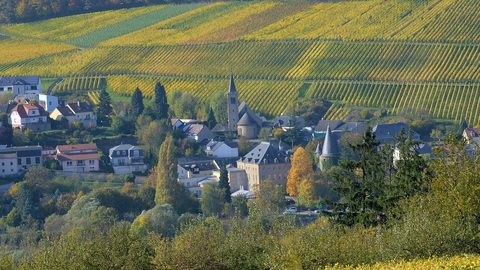 Best Time to Visit Luxembourg – Weather, Closures, and Fireworks
May to September brings the best walking weather and terrace-drinking season, but avoid August when many Luxembourg restaurants and shops close for holidays.
Best Time to Visit Luxembourg – Weather, Closures, and Fireworks
May to September brings the best walking weather and terrace-drinking season, but avoid August when many Luxembourg restaurants and shops close for holidays.
-
 Getting Around Luxembourg – Yes, the Buses and Trains Are Actually Free
All buses, trams, and trains in Luxembourg are completely free nationwide with no ticket needed. The catch is weekend frequency on rural routes.
Getting Around Luxembourg – Yes, the Buses and Trains Are Actually Free
All buses, trams, and trains in Luxembourg are completely free nationwide with no ticket needed. The catch is weekend frequency on rural routes.
-
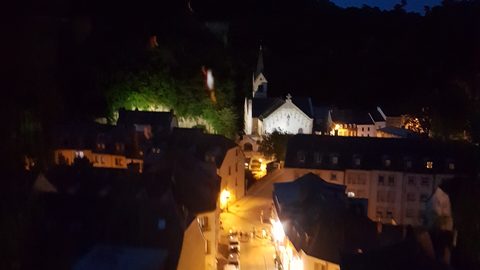 Is Luxembourg Safe? The Honest Answer With the Caveats Worth Naming
Luxembourg is exceptionally safe, but the Gare district after dark, unlit valley staircases, and late-night tram encounters are worth knowing about.
Is Luxembourg Safe? The Honest Answer With the Caveats Worth Naming
Luxembourg is exceptionally safe, but the Gare district after dark, unlit valley staircases, and late-night tram encounters are worth knowing about.
-
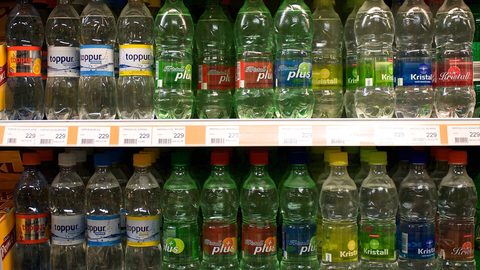 Luxembourg trip costs and why free transport does not make it cheap
Free buses and trams do not make Luxembourg cheap. Expect €25-35 lunch mains, €6-8 beers, and hotels rarely under €180. Here is a realistic daily budget breakdown.
Luxembourg trip costs and why free transport does not make it cheap
Free buses and trams do not make Luxembourg cheap. Expect €25-35 lunch mains, €6-8 beers, and hotels rarely under €180. Here is a realistic daily budget breakdown.
-
 Luxembourg Public Holidays – When Everything Shuts and One Day Is Uniquely Local
Luxembourg's public holidays mean full closures, and the Sunday rest rule is taken seriously. One celebration, the Grand Duke's Birthday, is uniquely local.
Luxembourg Public Holidays – When Everything Shuts and One Day Is Uniquely Local
Luxembourg's public holidays mean full closures, and the Sunday rest rule is taken seriously. One celebration, the Grand Duke's Birthday, is uniquely local.
-
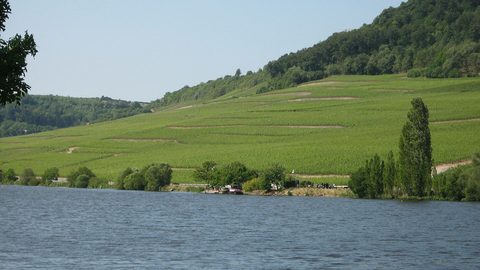 Schengen
 is a quiet wine-growing village stretched along the Moselle, not the busy landmark town most visitors expect. River views, vineyards and one modest museum define the experience.
Schengen
Schengen is a quiet wine-growing village stretched along the Moselle, not the busy landmark town most visitors expect. River views, vineyards and one modest museum define the experience.
-
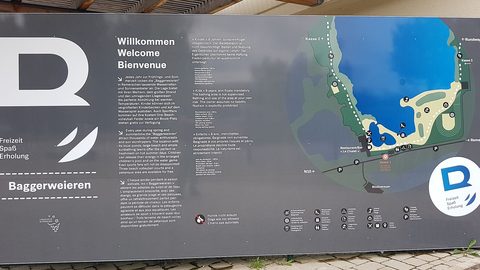 Remerschen
 is a Moselle wine village of about 765 people, and the commune it sits in was named after it until 2006. Then the council voted to call itself Schengen instead.
Remerschen
Remerschen is a Moselle wine village of about 765 people, and the commune it sits in was named after it until 2006. Then the council voted to call itself Schengen instead.
-
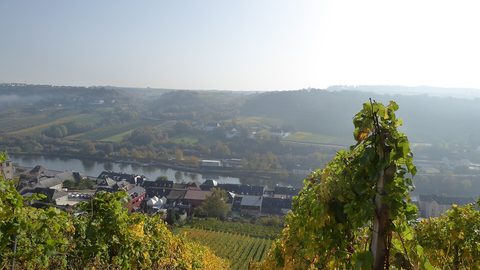 Luxembourg Moselle Wine Route Riesling Crémant and Village Cellars
The Luxembourg Moselle wine route runs through Schengen, where Riesling, Pinot Gris and Crémant de Luxembourg are poured in village cellars with river views.
Luxembourg Moselle Wine Route Riesling Crémant and Village Cellars
The Luxembourg Moselle wine route runs through Schengen, where Riesling, Pinot Gris and Crémant de Luxembourg are poured in village cellars with river views.