Planning a Trip to Luxembourg: What to Know Before You Go
Luxembourg is compact, multilingual, and genuinely free to move around, but the hills are brutal and the prices will make you wince. Plan your visit here.
- Flag
-

- ISO code
- LU
- Population
- 660,000
- Currency
- EUR
- Timezone
- Europe/Luxembourg
- Dial code
- +352
Planning a Trip to Luxembourg: What to Know Before You Go
Free Transport Everywhere
Luxembourg is 2,586 km². Smaller than Rhode Island. But driving from the capital to Vianden takes 50 minutes. The misleading part is that most of those minutes are spent climbing, descending, and climbing again. The country’s elevation swings 559 metres between its lowest point and its highest. That vertical reality is the single most useful fact for getting around Luxembourg: distances are short, but the terrain punishes anyone who treats them as flat.
You land at Findel Airport. Bus 16 or 29 to the central station takes 20 to 25 minutes, and costs exactly zero. Since 29 February 2020, all public transport across the whole country has been free. No ticket, no pass, no app. Just board the bus, the tram, the train, or the Pfaffenthal funicular. That is a genuine policy, not a tourist promotion. It changes how you move: you take the tram from the airport to the old town, ride the train to the Moselle, hop on a bus to Echternach, and never reach for a wallet.
The catch is that free transport does not mean frequent transport. Weekend buses in the countryside drop to one every two hours. Rural routes stop early. Check the CFL or RGTR schedule before you set out for a castle or a vineyard. The free network solves the cost problem. It does not solve the planning problem.

- Minimum Stay: 2 full days (1 for the capital, 1 for castles or wine)
- Peak Season: May to September for walking weather and the Grand Duke's Birthday on 23 June
- Avoid Window: August (many restaurants and shops close); Schueberfouer fair late August if you hate crowds and high hotel prices
- Arrival From Airport: Bus 16 or 29 to Gare Centrale, 20-25 minutes, free. Taxi to centre, 15 minutes, about €35.
- Typical Dinner Cost: Main course €22-32. Beer 0.5 L €6-8. Coffee €3.50-5.00
- Mid-Range Hotel Room: €150-250 per night in Luxembourg City
The Real Cost of a Day in Luxembourg City
What You Will Pay
Prepare for the bill before you sit down. A main course in a mid-range restaurant runs €22 to €32. A half litre of beer is €6 to €8. A coffee is €3.50 to €5.00. A double room in a mid-range hotel costs €150 to €250 per night. These numbers are not a shock to anyone who has spent time in Zurich or Geneva, but if you are coming from Berlin, Lisbon, or even Paris, they feel like a different currency. The GDP per capita is the highest in the European Union, roughly 2.5 times the EU average. The prices reflect the local economy, not your budget.
Where to Save
You can cut costs. The free transport is the most obvious lever. Eat lunch at a bakery or a market stall: the Gromperekichelcher, a crispy fried potato cake, costs a few euros at the Schueberfouer fair or at weekly markets. A Quetschentaart, a damson plum tart, is a cheap seasonal treat in late summer. But do not arrive expecting a budget destination. This is not the place for a shoestring trip.
What to Do with Your Time
Day One: The Capital
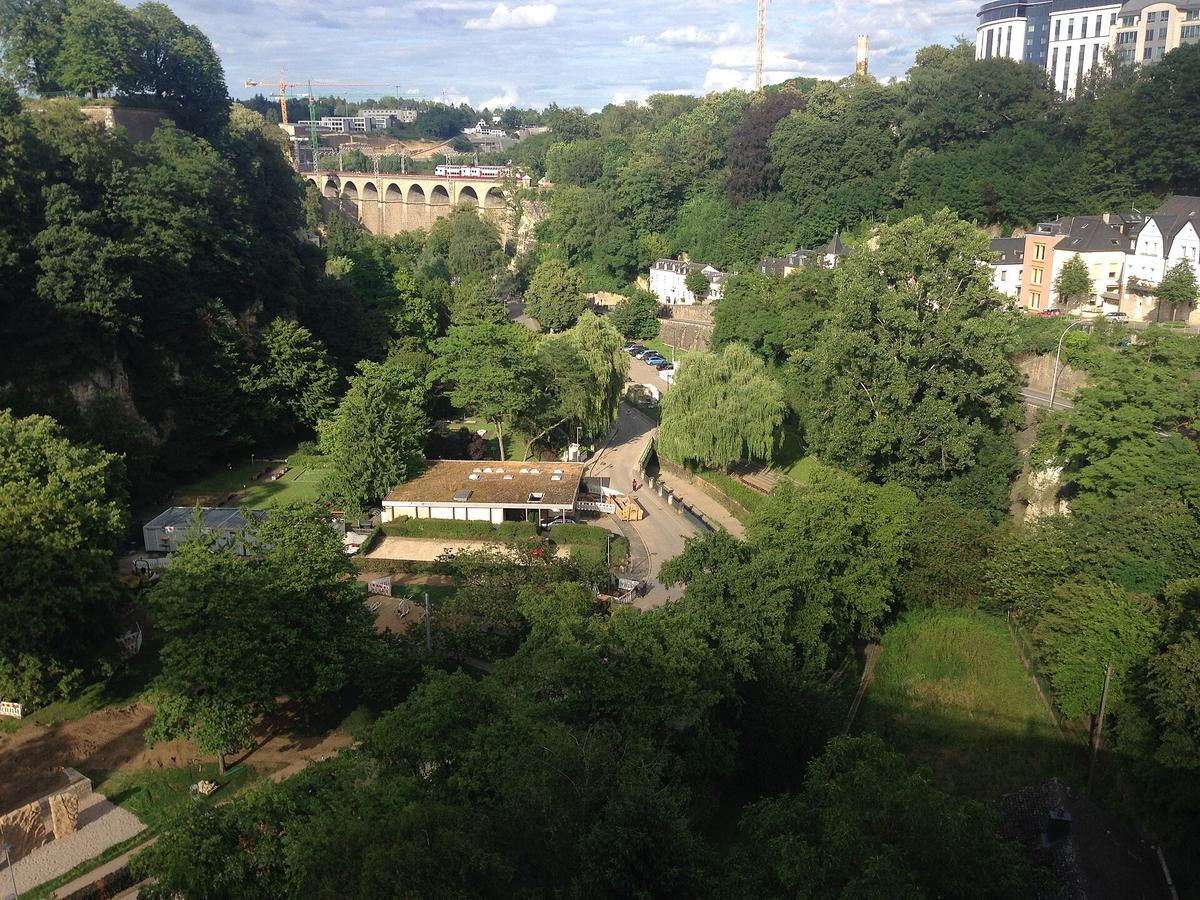
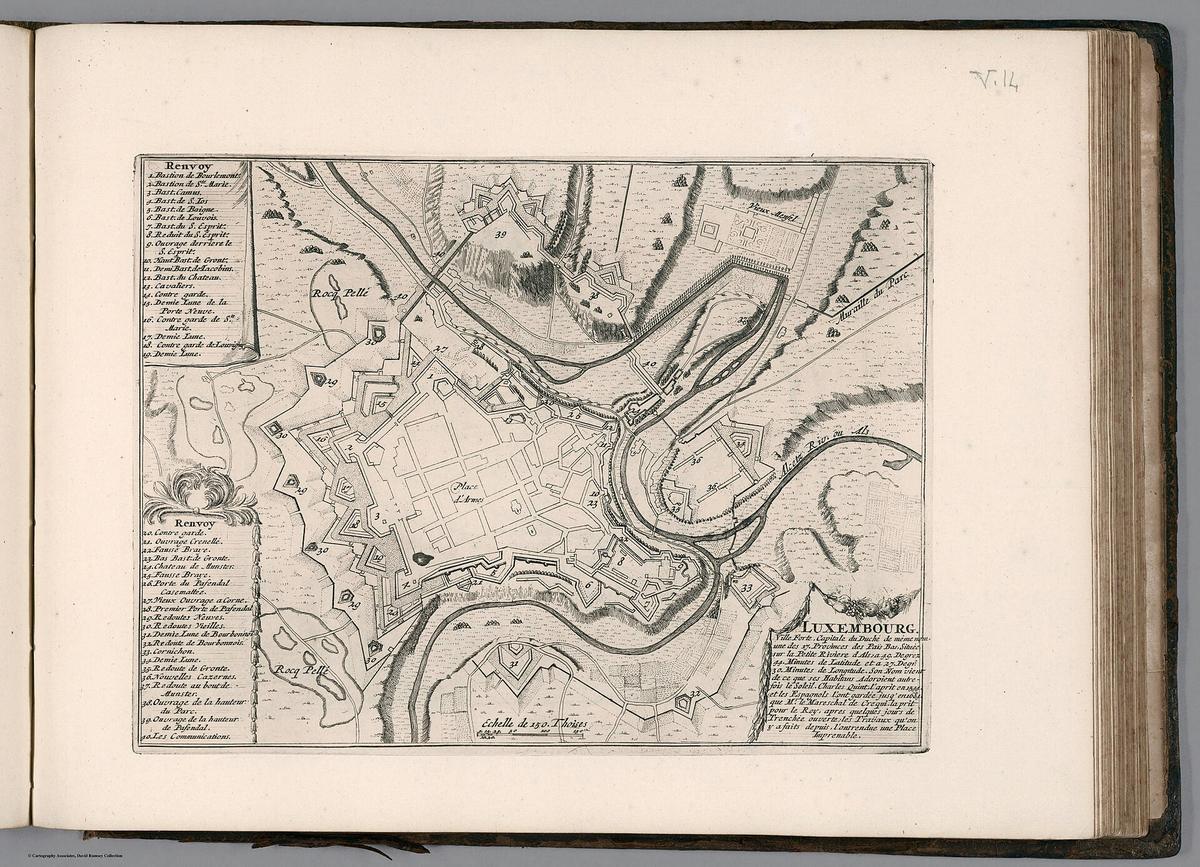
Spend the first day in the capital. The Bock Casemates are a 1.1 km network of underground defence tunnels, UNESCO listed since 1994. Book ahead in peak season, or you queue for an hour. Walk the Chemin de la Corniche, a 500 metre balcony that locals call Europe's most beautiful. The view drops into the Grund district below, a postcard of stone houses and the Alzette River. Then take the Pfaffenthal Panoramic Elevator back up to the Kirchberg plateau. It rises roughly 40 metres in a glass cabin. That elevator is not a gimmick. It is a practical tool for a city where the elevation difference between the upper town and the lower valleys is 60 to 70 metres. Google Maps walking times lie here. A ten minute walk often involves 100 metres of stairs.
Day Two: Pick One Region
On the second day, pick one region. Vianden Castle is the most obvious choice: a restored 11th century hilltop fortress, 50 minutes by car or an hour by train and bus. The chairlift runs from April to October. Echternach is 45 minutes by car or an hour by bus, home to a Romanesque abbey founded in 698 and the trailhead of the Müllerthal Trail, 112 km of routes through Luxembourg Sandstone formations. The Moselle wine route is closer: Remich is 25 minutes by car, 40 minutes by bus. Taste Rivaner, Auxerrois, Pinot Gris, and Riesling. About a quarter of the wine output is crémant.
With More Time
If you have three days, add the Müllerthal region itself, a UNESCO Global Geopark since 2022. Four or five days let you add Clervaux, Esch-sur-Sûre, and the American Cemetery where General Patton is buried.
| Destination | Travel Time By Car | Travel Time By Public Transport | Why Go |
|---|---|---|---|
| Vianden | 50 min | 1 h (train + bus) | Hilltop castle and chairlift |
| Echternach | 45 min | 1 h (bus) | Abbey, Müllerthal trailhead |
| Moselle Valley (Remich) | 25 min | 40 min (bus) | Wine tasting and crémant |
| Trier, Germany | N/A | 50 min (train) | Roman Porta Nigra, Karl Marx house |
| Dinant, Belgium | 1 h 45 min | N/A | Citadel and Meuse river |
_Les_forces_de_(IA_dr_luxembourg-ville-forte-capitale-du-duche-de-meme-nom-une-des-17-provin-11668117).jpg)
The Districts and the Friction
Where to Stay and Walk
Luxembourg City is not one neighbourhood. Ville Haute is the cobbled old town: the Grand Ducal Palace, high end shopping, the cathedral. Grund is the riverside district that looks like a painting, but the climb back up is punishing. Clausen is the former brewery quarter where bars and nightlife cluster. Kirchberg holds the EU institutions, the Mudam contemporary art museum in an I.M. Pei building, and the Philharmonie with its 1,500 seat concert hall. Gare is the transport hub with multicultural restaurants and a less polished edge. Pfaffenthal is valley living with the historic lift. Belair is quiet affluence, embassies, and trees.
Three Frictions to Plan Around
Three local frustrations matter. First, most shops close all day Sunday and many close Monday morning. Plan your supermarket run for Saturday. Second, public toilets are scarce. Carry coins for the few pay ones. Third, restaurant kitchens in the city centre close by 21:00, even on weekends. You do not eat late here. You eat at 19:30 or you eat from a kiosk.
Free public Wi-Fi via the Citywifi network covers most of the capital. SIM cards from Post or Tango are cheap and strong on 5G. But check your plan: Luxembourg is not in EU roaming zones for some Swiss and UK providers.
Who This Country Fits and Who it Does Not
Who Should Come
Luxembourg rewards the traveller who plans ahead, budgets high, and walks up stairs. It suits castle and fortification enthusiasts who want the Bock Casemates and Vianden in one trip. It suits business travellers extending a weekend. It suits multi country road trippers ticking off microstates. It suits hikers who want the Müllerthal trails without the crowds of the Eifel or the Ardennes. It suits luxury travellers who value cleanliness, efficiency, and safety over spontaneity.
Who Should Skip It
It does not suit backpackers on a shoestring budget: €6 beer adds up fast. It does not suit nightlife seekers expecting a raucous scene: Clausen has bars, but nobody stays out past 01:00 on a Tuesday. It does not suit travellers who prefer rough edged authenticity over manicured order. The city is polished. The streets are clean. The buses run on time. If you want graffiti and chaos, go to Naples.
Come for the free trains and the fortress tunnels. Stay for the Moselle crémant and the sandstone gorges. Leave when the sticker shock stops being funny and starts being a problem.
Regions & cities in Luxembourg
-
 Remerschen
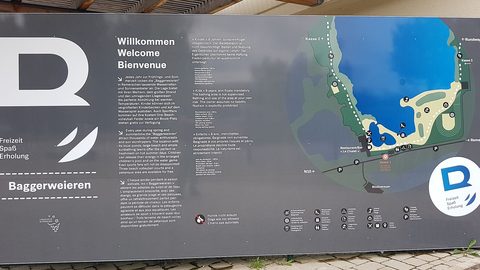
 is a Moselle wine village of about 765 people, and the commune it sits in was named after it until 2006. Then the council voted to call itself Schengen instead.
Remerschen
Remerschen is a Moselle wine village of about 765 people, and the commune it sits in was named after it until 2006. Then the council voted to call itself Schengen instead.
-
 Schengen
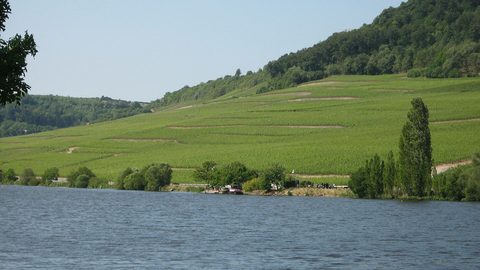
 is a quiet wine-growing village stretched along the Moselle, not the busy landmark town most visitors expect. River views, vineyards and one modest museum define the experience.
Schengen
Schengen is a quiet wine-growing village stretched along the Moselle, not the busy landmark town most visitors expect. River views, vineyards and one modest museum define the experience.
Common Questions
Is Luxembourg really free for public transport?
Yes. Since 29 February 2020, all trains, trams, buses, and the Pfaffenthal funicular are free nationwide. No ticket, no pass. First class train travel requires a paid supplement.
How many days do I need for Luxembourg?
Two full days as a minimum: one for Luxembourg City, one for a countryside castle or Moselle wine village. One day for the capital only is realistic but rushed. Four to five days cover the capital plus Vianden, Echternach, the Moselle, and the Müllerthal.
What is the most common mistake visitors make?
Treating Luxembourg as a day trip from Brussels or Paris. A six hour whistle stop misses the casemates, the Grund after dark, and any countryside beyond the station area.
What language do I need in Luxembourg City?
French is the language most used in shops, cafes, and restaurant menus in the capital. German and Luxembourgish are used in the northeast and along the Moselle. English works in tourist offices and hotels, but a few words of French help.
When should I avoid visiting?
The entire month of August, when many local restaurants and shops close for summer holidays. Also avoid the Schueberfouer funfair in late August to early September if you dislike carnival crowds and inflated hotel rates.
What is the national dish?
Judd mat Gaardebounen, smoked pork collar with broad beans. Also try Bouneschlupp (green bean soup), Gromperekichelcher (fried potato cakes), and Quetschentaart (damson plum tart in late summer).
Is Luxembourg worth visiting for non history buffs?
Yes, but with conditions. The free transport and the compact size make it easy to cover ground. But the high prices, early restaurant closing times, and quiet Sunday streets frustrate travellers who want spontaneous nightlife or budget options.
Read next
-
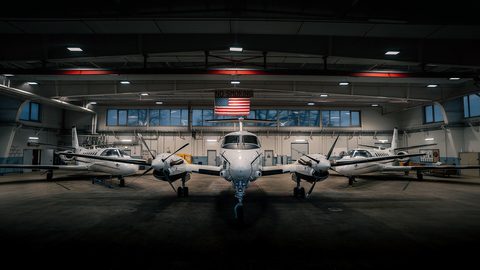 Flying to Luxembourg and when a neighbouring airport works better
Luxembourg Airport is convenient but has limited airlines. Sometimes flying into Frankfurt, Brussels, or Paris and taking a train saves hundreds. Compare your options.
Flying to Luxembourg and when a neighbouring airport works better
Luxembourg Airport is convenient but has limited airlines. Sometimes flying into Frankfurt, Brussels, or Paris and taking a train saves hundreds. Compare your options.
-
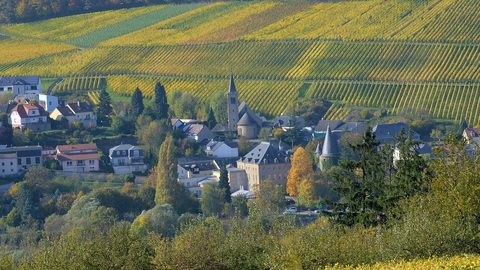 Best Time to Visit Luxembourg – Weather, Closures, and Fireworks
May to September brings the best walking weather and terrace-drinking season, but avoid August when many Luxembourg restaurants and shops close for holidays.
Best Time to Visit Luxembourg – Weather, Closures, and Fireworks
May to September brings the best walking weather and terrace-drinking season, but avoid August when many Luxembourg restaurants and shops close for holidays.
-
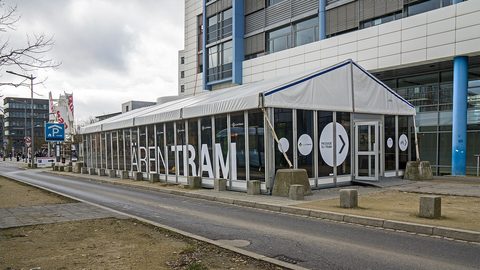 Getting Around Luxembourg – Yes, the Buses and Trains Are Actually Free
All buses, trams, and trains in Luxembourg are completely free nationwide with no ticket needed. The catch is weekend frequency on rural routes.
Getting Around Luxembourg – Yes, the Buses and Trains Are Actually Free
All buses, trams, and trains in Luxembourg are completely free nationwide with no ticket needed. The catch is weekend frequency on rural routes.
-
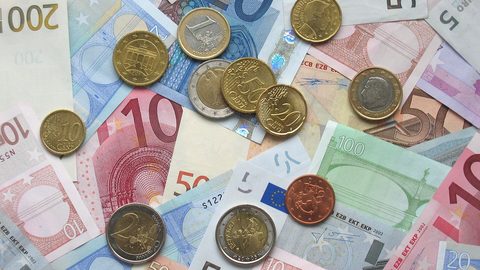 Luxembourg Prices and Money Tips – Why Lunch Costs More Than You Think
Luxembourg uses the euro and cards are accepted everywhere, but the prices for a simple meal or a round of drinks catch even prepared travellers off guard.
Luxembourg Prices and Money Tips – Why Lunch Costs More Than You Think
Luxembourg uses the euro and cards are accepted everywhere, but the prices for a simple meal or a round of drinks catch even prepared travellers off guard.
-
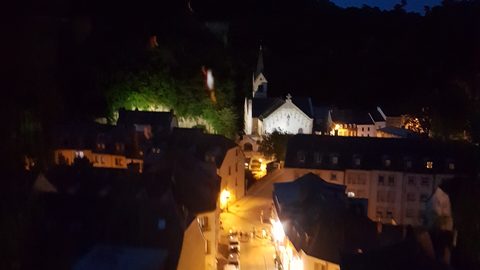 Is Luxembourg Safe? The Honest Answer With the Caveats Worth Naming
Luxembourg is exceptionally safe, but the Gare district after dark, unlit valley staircases, and late-night tram encounters are worth knowing about.
Is Luxembourg Safe? The Honest Answer With the Caveats Worth Naming
Luxembourg is exceptionally safe, but the Gare district after dark, unlit valley staircases, and late-night tram encounters are worth knowing about.
-
 Luxembourg trip costs and why free transport does not make it cheap
Free buses and trams do not make Luxembourg cheap. Expect €25-35 lunch mains, €6-8 beers, and hotels rarely under €180. Here is a realistic daily budget breakdown.
Luxembourg trip costs and why free transport does not make it cheap
Free buses and trams do not make Luxembourg cheap. Expect €25-35 lunch mains, €6-8 beers, and hotels rarely under €180. Here is a realistic daily budget breakdown.
-
Schengen
Schengen is a quiet wine-growing village stretched along the Moselle, not the busy landmark town most visitors expect. River views, vineyards and one modest museum define the experience.
-
Remerschen
Remerschen is a Moselle wine village of about 765 people, and the commune it sits in was named after it until 2006. Then the council voted to call itself Schengen instead.
-
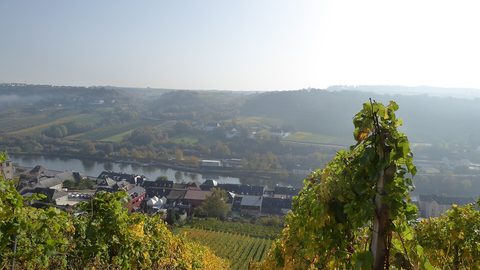 Luxembourg Moselle Wine Route Riesling Crémant and Village Cellars
The Luxembourg Moselle wine route runs through Schengen, where Riesling, Pinot Gris and Crémant de Luxembourg are poured in village cellars with river views.
Luxembourg Moselle Wine Route Riesling Crémant and Village Cellars
The Luxembourg Moselle wine route runs through Schengen, where Riesling, Pinot Gris and Crémant de Luxembourg are poured in village cellars with river views.