What the Village of Schengen Is Actually Like
Schengen is a quiet wine-growing village stretched along the Moselle, not the busy landmark town most visitors expect. River views, vineyards and one modest museum define the experience.
- Flag
-

- ISO code
- LU
- Currency
- EUR
- Timezone
- Europe/Luxembourg
Schengen is a Wine Village, Not a Border Town
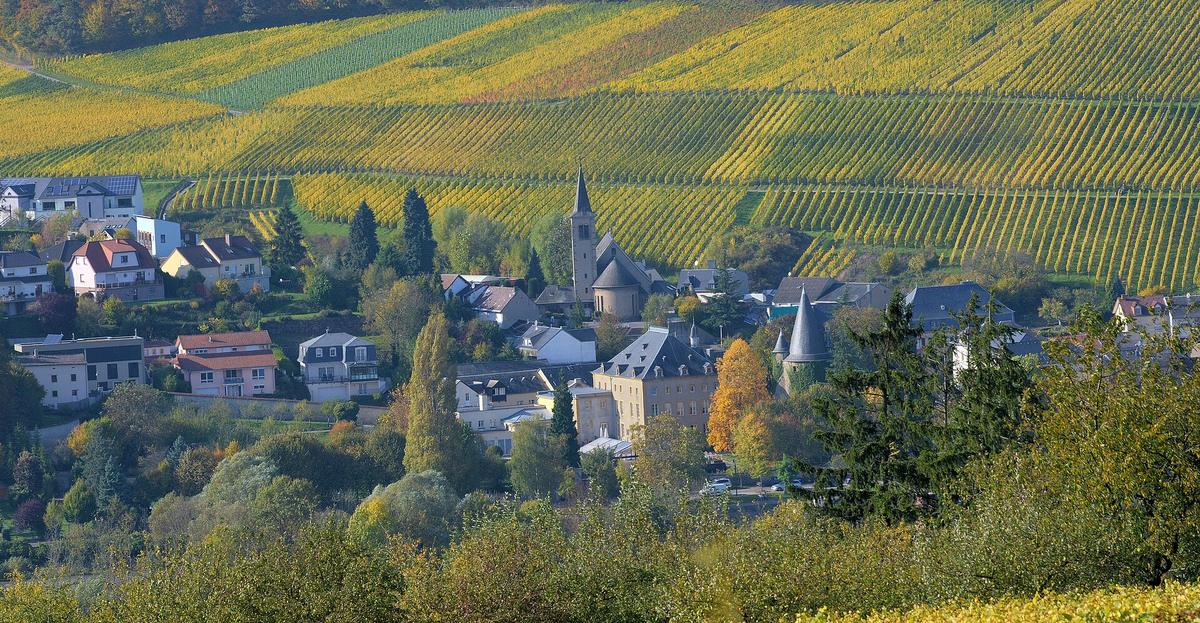
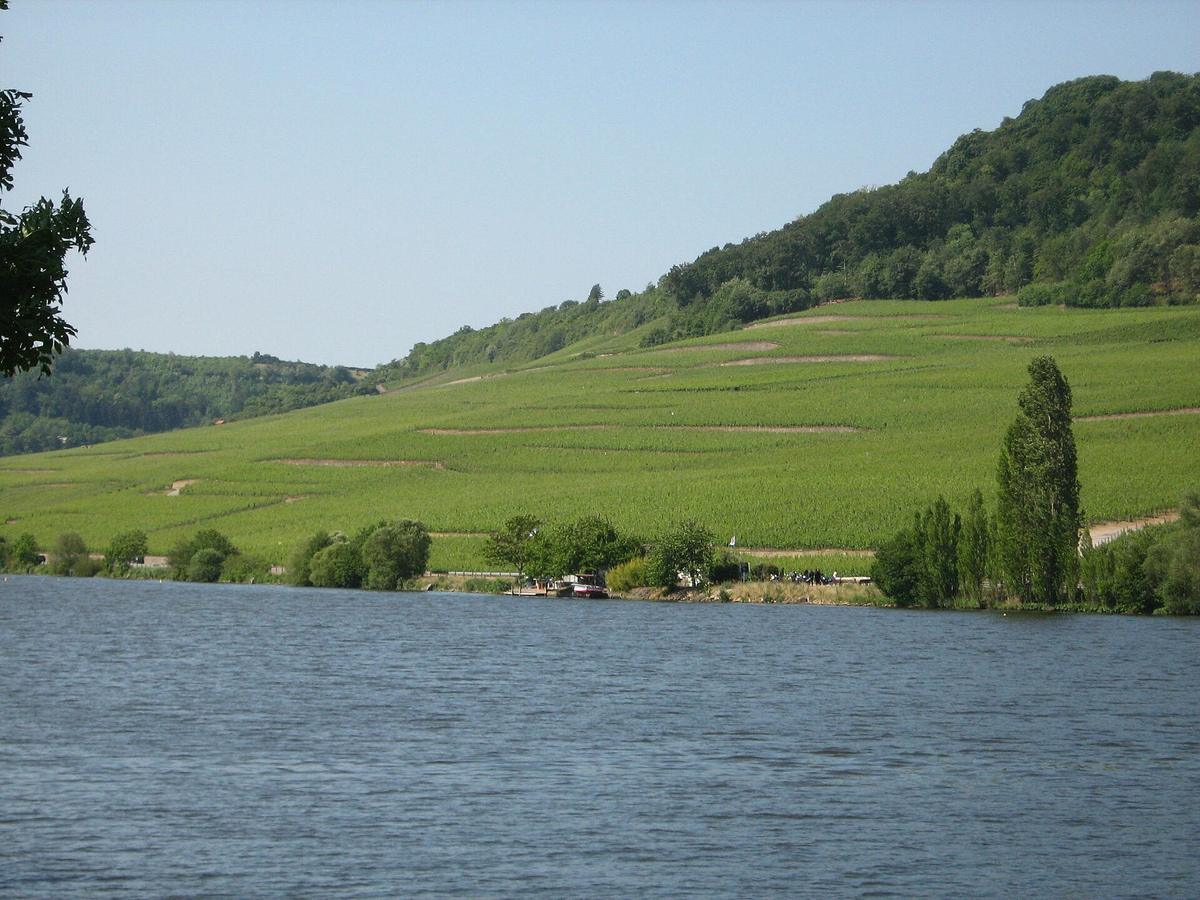
Arrive expecting a border-crossing monument, a visitor centre with flags, maybe a passport-stamp kiosk. You will not find any of that. Schengen is a village of roughly 500 people. Vineyard terraces climb the hillside. A short riverfront promenade sees its biggest daily event when a barge passes through. The Agreement that created border-free travel across 29 European countries was signed on a boat moored in the Moselle River in 1985, but that ceremony did not turn this place into a landmark town. Schengen is a quiet wine-growing village stretched along the Moselle. If you arrive expecting more, you will spend your time wondering where everything is.
Set expectations before you book. Schengen is a gentle stop for wine tourists, cyclists and anyone curious about the Agreement story. It does not offer a full day of attractions. You can cover the village centre, the European Museum Schengen and the riverside monument in three to five hours without hurrying. That is the total visit duration for almost everyone. For more than that, combine Schengen with Remich, a short bus or bike ride away, or with Luxembourg City, about an hour by bus.
- Population: Approximately 500, 600 residents
- Typical Visit Duration: Half a day (3, 5 hours)
- Treaty Signed: 14 June 1985 on the MS Princesse Marie-Astrid
- Museum Address: European Museum Schengen, 6 Rue Robert Goebbels, L-5444 Schengen
- Bus from Luxembourg City: RGTR line 185 from Gare Centrale, approx. 50, 60 minutes
- Drive from Luxembourg City: 30, 40 minutes via A13 and N10
- Best Season: May to September for open terraces, cellars and cycling paths
- Avoid Visiting: November to March; also avoid Monday and Tuesday for food and museum access
What You Actually Find in the Village
The village centre is compact: a handful of streets, a small castle operating as a hotel and conference centre, and the European Museum Schengen at 6 Rue Robert Goebbels. The museum opened in 2010. Allow an hour to ninety minutes to go through it. It explains the Agreement and needs no advance booking. Walk out the door and you are on the Esplanade Robert Goebbels, where the Schengen Monument sits. Three corten-steel pillars, each roughly five metres tall, installed in 1990 to mark the deal. A separate set of columns, one per member state at the time of installation, stands nearby on the same esplanade.
Dining and shopping are limited. Outside summer and weekends, dinner means driving to Remich. The tourist office at the same address as the museum runs reduced hours in winter and on Mondays. Public toilets are scarce outside the museum and restaurant terraces. Mobile signal can dip near the river and under the vineyard slopes, so download maps before you arrive. Free public Wi‑Fi is not widespread; rely on mobile data.
Getting There and Around
Fly into Luxembourg Airport. From there take bus 29 to the city centre, then catch RGTR line 185 from Gare Centrale toward Schengen. The bus journey runs about an hour. By car, it is roughly half an hour from the airport via A1 and A13. Public transport across Luxembourg is free, including the train to nearby Wellenstein and the bus connection into Schengen. There is no train station in the village itself. The nearest rail access is in Wellenstein or Remich, both connected by free bus.
Walking covers the village core and museum. Bicycles are the best way to reach the vineyards and follow the Moselle towpath. The contour road to Remich is a cycling route with vineyard and river views that you can do in under half an hour each way.
The Wine, the Rhythm, and When to Skip it
Wine is the real draw. Schengen sits inside the Moselle Luxembourgeoise AOP region, and the vineyards above the village grow Riesling, Pinot Gris, Auxerrois, Pinot Blanc and Elbling. Domaines Vinsmoselle operates the Caves de Schengen in the village, where you can taste local producers. The wine terraces on the slopes are steep, planted and quiet. Walking paths run through them, and the Luxembourg Wine Road, the Wäistrooss route, passes directly through Schengen.
The rhythm is slow. The riverside promenade is a short walk with benches and border markers. The Three Borders Point where Luxembourg, Germany and France meet is a grassy marker, not a major monument. Schengen Castle, a 19th-century manor built on a 14th-century tower from 1390, now operates as a hotel and restaurant. It is not open for casual touring beyond its dining room. The real activity happens at the river terraces from May to September, when warm weather opens wine cellars and cycling paths.
When to Stay Away
Avoid November through March. Outside that summer window, many wine cellars, cafes and the tourist office run reduced hours or close entirely. The river valley can be grey and damp. Also avoid Sunday and Monday visits if you want food or museum access. The most common mistake travellers make is visiting on a Monday in winter expecting everything to be open. It will not be.
Day Trips and Rerouting
If you have covered Schengen in a few hours and want more, you have clear options. Remich is a short bus or bike ride away, with a longer esplanade, boat trips on the river and the Haff Remich cultural space. Luxembourg City is 35 to 40 minutes by car or about an hour by bus, with the fortress and old town. Trier in Germany is 40 to 50 minutes by car, offering Roman ruins and the cathedral. Metz in France is under an hour by car for the Gothic cathedral and covered market. Saarburg in Germany, with a waterfall and castle town, is 40 minutes by car.
Schengen itself does not have a working river-cruise dock as a major stop, but some Moselle cruises moor at its small pier. Check your cruise itinerary before assuming Schengen is a port call.


Who Should Come and Who Should Not
Schengen suits wine tourists exploring the Moselle, history and EU-politics enthusiasts, cyclists and walkers wanting gentle river routes, and couples seeking a quiet overnight stop. It works for day-trippers combining it with Remich or Luxembourg City.
It does not suit nightlife seekers, shoppers, families wanting attractions or playgrounds, or travellers expecting a full day of sightseeing. Skip it entirely if you want urban energy or if you are not already interested in wine, cycling or the Schengen Agreement story. This is a place to slow down, not to fill a checklist.
More destinations in Luxembourg
What to See in Schengen
-
 European Museum Schengen
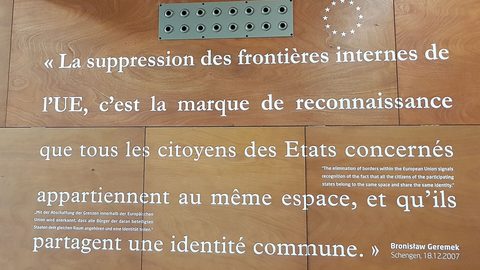
The European Museum Schengen is a modern, modest museum explaining the border-free Agreement. It is well-executed but small, and closed Mondays and Tuesdays.
European Museum Schengen
The European Museum Schengen is a modern, modest museum explaining the border-free Agreement. It is well-executed but small, and closed Mondays and Tuesdays.
-
 Schengen Castle
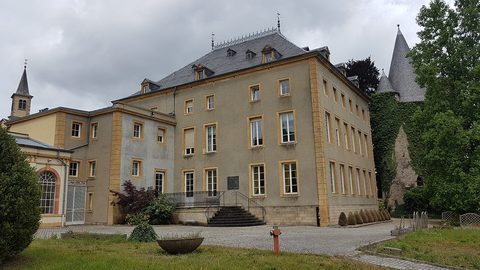
 is a 19th-century manor now operating as a hotel and restaurant. The surviving tower is visible, but the interior is not a historic museum.
Schengen Castle
Schengen Castle is a 19th-century manor now operating as a hotel and restaurant. The surviving tower is visible, but the interior is not a historic museum.
-
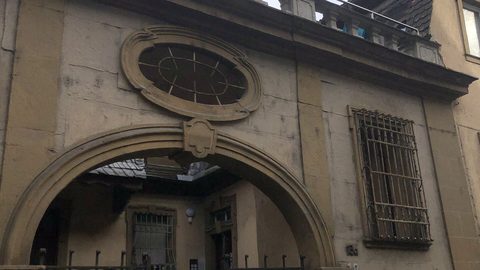 The Koch'haus
The Koch Haus is a baroque building standing beside Schengen Castle. Its current use is not a public museum, so access depends on events and functions.
The Koch'haus
The Koch Haus is a baroque building standing beside Schengen Castle. Its current use is not a public museum, so access depends on events and functions.
Common Questions
Is the Schengen Agreement museum worth the trip?
If you are interested in EU politics or modern European history, yes. The European Museum Schengen covers the treaty in about 90 minutes with a clear, modern exhibition. No advance booking needed. If you just want to see where the treaty was signed, the riverside monument and the three steel pillars are free and outdoors.
Can you visit the spot where the treaty was signed?
The signing took place on the MS Princesse Marie-Astrid, a boat moored on the Moselle. That vessel is not permanently docked there. You can see the general location from the riverside promenade, but there is no preserved signing room or replica boat to tour.
How long should I budget for a visit to Schengen?
Half a day. Three to five hours covers the museum, the monument, a walk along the river and a glass of wine at a terrace. If you want to cycle the vineyard slopes or walk the Wäistrooss route, add two more hours.
Is Schengen good for families with children?
No. There are no playgrounds, no attractions aimed at kids, and the museum is text‑heavy. Families wanting a full day of sightseeing should skip Schengen and go to Remich or Luxembourg City instead.
What should I eat and drink in Schengen?
Moselle Riesling and Pinot Gris from local producers. Friture de la Moselle, fried river fish, served with white wine. Crémant de Luxembourg for sparkling wine. Rieslingspaschtéit, a wine‑flavoured meat pie. In late summer, Quetschentaart, a plum tart from village cafes.
What is the public transport situation from Luxembourg City?
RGTR bus line 185 from Gare Centrale runs to Schengen in about an hour. The bus is free, as is all public transport in Luxembourg. There is no train station in Schengen itself. Nearest rail stops are Wellenstein or Remich, connected by free bus.
What common mistake do visitors make in Schengen?
Visiting on a Monday or in winter expecting the museum, wine cellars and restaurants to be open. Also assuming Schengen is a large town. It is a village of a few hundred people with limited dining and shopping. Arrive with that reality and you will enjoy it.
Read next
-
European Museum Schengen
The European Museum Schengen is a modern, modest museum explaining the border-free Agreement. It is well-executed but small, and closed Mondays and Tuesdays.
-
Schengen Castle
Schengen Castle is a 19th-century manor now operating as a hotel and restaurant. The surviving tower is visible, but the interior is not a historic museum.
-
The Koch'haus
The Koch Haus is a baroque building standing beside Schengen Castle. Its current use is not a public museum, so access depends on events and functions.
-
 Flying to Luxembourg and when a neighbouring airport works better
Luxembourg Airport is convenient but has limited airlines. Sometimes flying into Frankfurt, Brussels, or Paris and taking a train saves hundreds. Compare your options.
Flying to Luxembourg and when a neighbouring airport works better
Luxembourg Airport is convenient but has limited airlines. Sometimes flying into Frankfurt, Brussels, or Paris and taking a train saves hundreds. Compare your options.
-
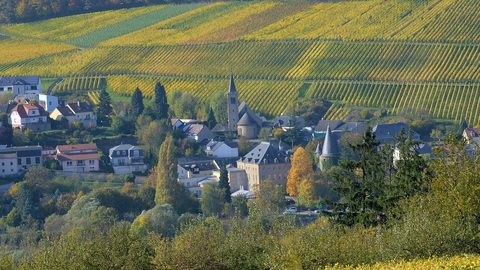 Best Time to Visit Luxembourg – Weather, Closures, and Fireworks
May to September brings the best walking weather and terrace-drinking season, but avoid August when many Luxembourg restaurants and shops close for holidays.
Best Time to Visit Luxembourg – Weather, Closures, and Fireworks
May to September brings the best walking weather and terrace-drinking season, but avoid August when many Luxembourg restaurants and shops close for holidays.
-
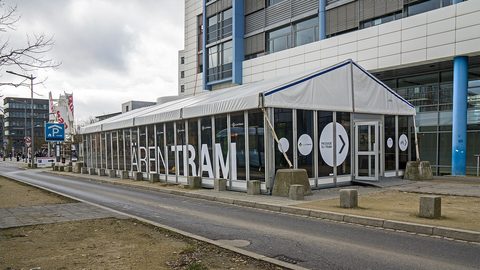 Getting Around Luxembourg – Yes, the Buses and Trains Are Actually Free
All buses, trams, and trains in Luxembourg are completely free nationwide with no ticket needed. The catch is weekend frequency on rural routes.
Getting Around Luxembourg – Yes, the Buses and Trains Are Actually Free
All buses, trams, and trains in Luxembourg are completely free nationwide with no ticket needed. The catch is weekend frequency on rural routes.
-
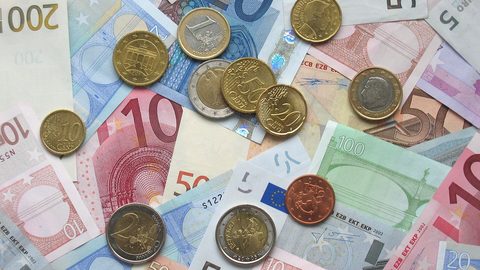 Luxembourg Prices and Money Tips – Why Lunch Costs More Than You Think
Luxembourg uses the euro and cards are accepted everywhere, but the prices for a simple meal or a round of drinks catch even prepared travellers off guard.
Luxembourg Prices and Money Tips – Why Lunch Costs More Than You Think
Luxembourg uses the euro and cards are accepted everywhere, but the prices for a simple meal or a round of drinks catch even prepared travellers off guard.
-
 Is Luxembourg Safe? The Honest Answer With the Caveats Worth Naming
Luxembourg is exceptionally safe, but the Gare district after dark, unlit valley staircases, and late-night tram encounters are worth knowing about.
Is Luxembourg Safe? The Honest Answer With the Caveats Worth Naming
Luxembourg is exceptionally safe, but the Gare district after dark, unlit valley staircases, and late-night tram encounters are worth knowing about.
-
 Luxembourg trip costs and why free transport does not make it cheap
Free buses and trams do not make Luxembourg cheap. Expect €25-35 lunch mains, €6-8 beers, and hotels rarely under €180. Here is a realistic daily budget breakdown.
Luxembourg trip costs and why free transport does not make it cheap
Free buses and trams do not make Luxembourg cheap. Expect €25-35 lunch mains, €6-8 beers, and hotels rarely under €180. Here is a realistic daily budget breakdown.