What the Koch Haus in Schengen Is Used For Now
The Koch Haus is a baroque building standing beside Schengen Castle. Its current use is not a public museum, so access depends on events and functions.
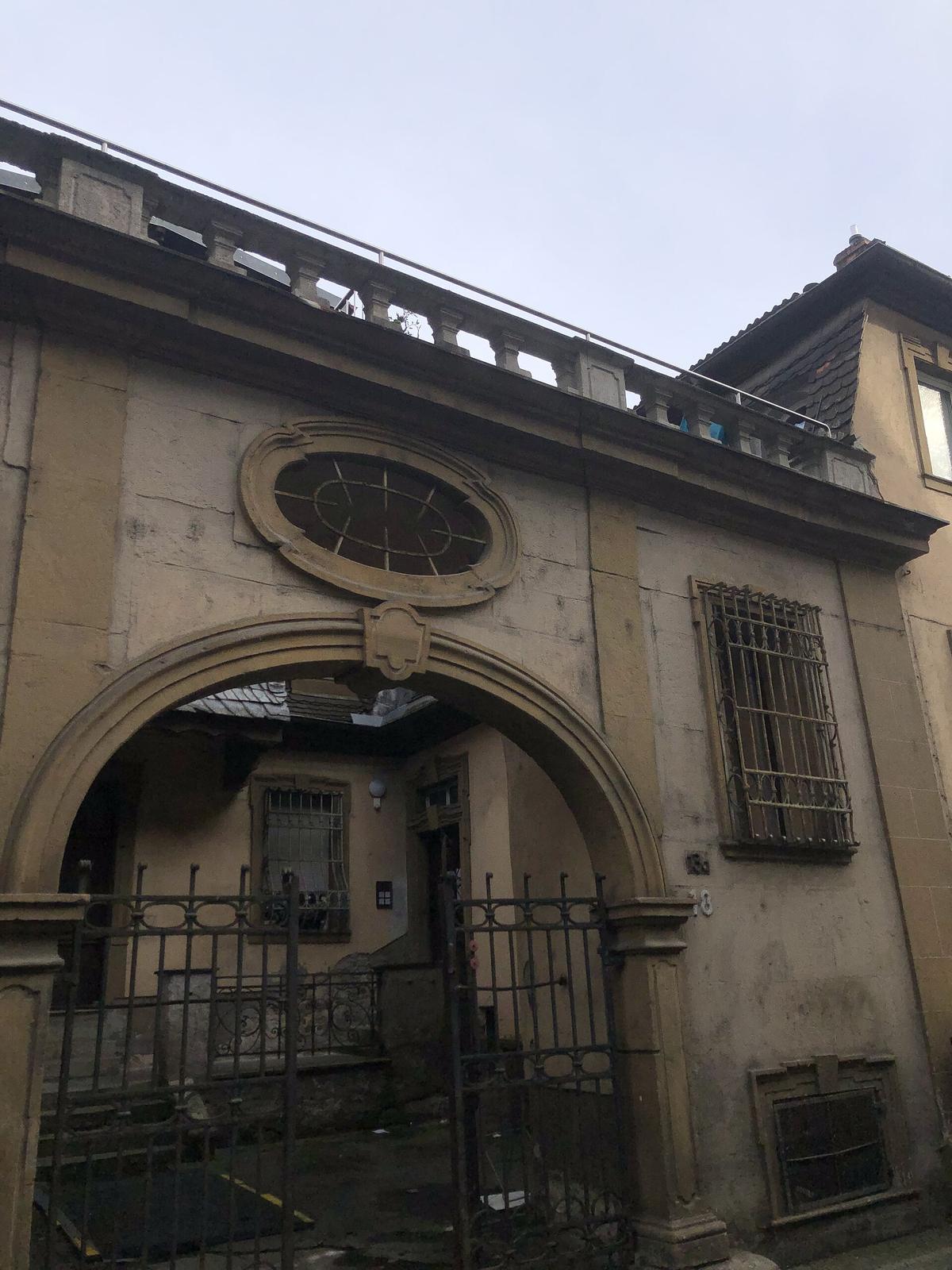

Koch Haus Schengen: the Baroque Building Beside the Castle
At 10 a.m. on a Tuesday in June, the only sound near the Koch Haus is a gardener clipping hedges at Schengen Castle next door. The sun hits the ochre facade of this 1779 baroque building. A handful of cyclists pause on the road, pull out phones, and take a photo. Then they move on. Do the same.
The Koch Haus Schengen is not a museum. It is not a tasting room. It is not open for casual walk-ins. Here is what it is, what it was, and why it deserves exactly 15 minutes of your walking route, not a detour.
- Building Name: Koch'haus
- Construction Year: 1779
- Architectural Style: Baroque
- Original Function: Guest house for owners of the castle
- Named After: Johann Peter Koch
- Johann Peter Koch Role: Former administrator of the castle
- Location Relative To Castle: Adjacent to Schengen Castle
- Current Use: Exhibition and event space
- Restoration Status: Restored
- Primary Visitor Activity: Viewing exterior architecture
- Typical Visit Duration: Under 30 minutes
- Fits Walking Route: Schengen village walking circuit
Koch Haus is Not the Castle
Understand this before you arrive. Schengen Castle is the large 19th century manor that operates as a hotel and restaurant. You can book a room there, eat on its terrace, walk through its grounds. The Koch Haus is the smaller building attached to its side, built 60 years before the castle existed.
Do not confuse the two. The Koch Haus Schengen baroque building dates from 1779, when the site was still a farm estate. It was built as a guest house for the owners of the earlier castle. Johann Peter Koch, the administrator of that older castle, gave the building its name. The baroque architecture shows in the mansard roof, the dormer windows, and the symmetrical facade. It is restrained French-inspired baroque, not the ornate south German kind. That detail tells you the region was culturally closer to Lorraine than to the Rhineland.
You will not find a plaque explaining this. The building has no interpretive panel visible from the street. Come prepared. Walk to the fence line, stand back from the facade, and look at the roof proportions. Then move to the side to see how the house connects to the castle wall. That is the entire exterior tour. Budget seven minutes.
What Happens Inside the Koch Haus Now
The restored interior of the Koch Haus functions as an exhibition and event space. That means temporary art shows, small conferences, private receptions, and occasional civic ceremonies. It is not a permanent museum. You cannot walk in on a Tuesday afternoon and browse rooms. There is no ticket desk, no gift shop, no audio guide.
You can go inside only during a booked event or a public exhibition day. These happen irregularly. Check with the Schengen tourist office or the European Museum Schengen next door. The museum staff will know if anything is on. Otherwise, you are limited to the exterior.
What About The European Museum Next Door?
The European Museum Schengen is a separate building, a modern structure that tells the story of the Schengen Agreement. It is open to the public, free, and requires no advance booking. If you are here for the Koch Haus and find the doors locked, walk the 30 metres to the museum. It will give you context for the village and the castle. The Koch Haus itself is a five-minute add-on to that museum visit.
The Walking Route That Includes It
The Koch Haus fits naturally into the Schengen village walking circuit. Start at the European Museum, walk past the castle entrance, pause at the Koch Haus facade, then continue downhill to the Moselle promenade and the Schengen Agreement Monument. The whole loop takes 40 minutes at a slow pace. The Koch Haus is the architectural highlight of that loop, but it is a brief stop. Do not build your day around it.

Who Should Skip the Koch Haus Entirely
The Koch Haus suits three types of traveller: the baroque architecture enthusiast who studies roof profiles, the history buff tracing the administrative lineage of the Moselle estates, and the completionist who wants to see every landmark on the walking circuit. For everyone else, the building is a five-minute visual pause at best.
Skip it if you are in Schengen for wine tasting. The wine cellars are on the contour road above the village and along the German side of the river. The Koch Haus has no wine connection. Skip it if you are here with children who need hands-on activity. The castle hotel might let you walk the garden, but the Koch Haus offers nothing for kids. Skip it if your Schengen visit falls on a Monday or a Sunday, when the museum is closed and the chance of an open exhibition drops to near zero.
Do not let the Koch Haus Schengen baroque building distract you from what Schengen does well: quiet river views, Riesling and Pinot Gris from local producers, cycling the Moselle towpath, and the modest but excellent European Museum. The Koch Haus is a footnote, not a chapter. Treat it as such and you will leave satisfied.
Common Questions
Can I go inside the Koch Haus in Schengen?
Only during a booked event or a public exhibition day. There is no permanent museum inside and no daily opening hours. If the doors are locked, enjoy the baroque facade from the street and visit the European Museum next door instead.
What is the difference between Schengen Castle and the Koch Haus?
Schengen Castle is a 19th century manor that operates as a hotel and restaurant. The Koch Haus is the smaller 1779 baroque guest house attached to it. They are separate buildings with separate functions. The castle is open for guests; the Koch Haus is an event space.
How long should I spend at the Koch Haus?
Under 30 minutes. Viewing the baroque exterior takes five to ten minutes. The building fits into the village walking circuit that also includes the museum, the castle grounds, and the Moselle promenade, so budget 40 minutes for the full loop.
Who was Johann Peter Koch?
He was the administrator of the original castle that stood on the site before the current 19th century manor was built. The Koch Haus is named after him. He used the building as a guest house for the castle owners in the late 1700s.
Read next
-
 European Museum Schengen
The European Museum Schengen is a modern, modest museum explaining the border-free Agreement. It is well-executed but small, and closed Mondays and Tuesdays.
European Museum Schengen
The European Museum Schengen is a modern, modest museum explaining the border-free Agreement. It is well-executed but small, and closed Mondays and Tuesdays.
-
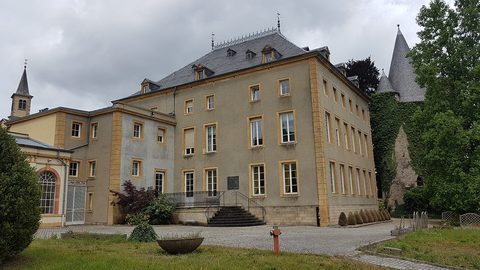 Schengen Castle
 is a 19th-century manor now operating as a hotel and restaurant. The surviving tower is visible, but the interior is not a historic museum.
Schengen Castle
Schengen Castle is a 19th-century manor now operating as a hotel and restaurant. The surviving tower is visible, but the interior is not a historic museum.
-
 Flying to Luxembourg and when a neighbouring airport works better
Luxembourg Airport is convenient but has limited airlines. Sometimes flying into Frankfurt, Brussels, or Paris and taking a train saves hundreds. Compare your options.
Flying to Luxembourg and when a neighbouring airport works better
Luxembourg Airport is convenient but has limited airlines. Sometimes flying into Frankfurt, Brussels, or Paris and taking a train saves hundreds. Compare your options.
-
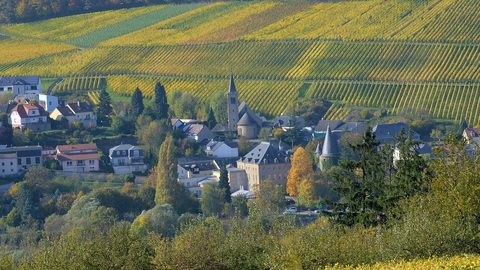 Best Time to Visit Luxembourg – Weather, Closures, and Fireworks
May to September brings the best walking weather and terrace-drinking season, but avoid August when many Luxembourg restaurants and shops close for holidays.
Best Time to Visit Luxembourg – Weather, Closures, and Fireworks
May to September brings the best walking weather and terrace-drinking season, but avoid August when many Luxembourg restaurants and shops close for holidays.
-
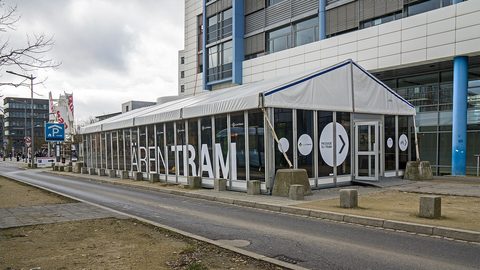 Getting Around Luxembourg – Yes, the Buses and Trains Are Actually Free
All buses, trams, and trains in Luxembourg are completely free nationwide with no ticket needed. The catch is weekend frequency on rural routes.
Getting Around Luxembourg – Yes, the Buses and Trains Are Actually Free
All buses, trams, and trains in Luxembourg are completely free nationwide with no ticket needed. The catch is weekend frequency on rural routes.
-
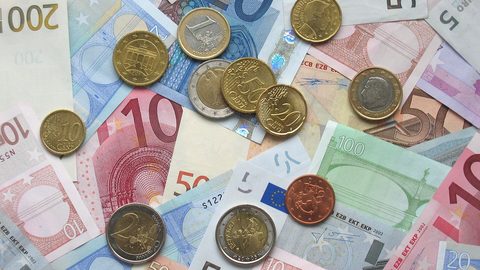 Luxembourg Prices and Money Tips – Why Lunch Costs More Than You Think
Luxembourg uses the euro and cards are accepted everywhere, but the prices for a simple meal or a round of drinks catch even prepared travellers off guard.
Luxembourg Prices and Money Tips – Why Lunch Costs More Than You Think
Luxembourg uses the euro and cards are accepted everywhere, but the prices for a simple meal or a round of drinks catch even prepared travellers off guard.
-
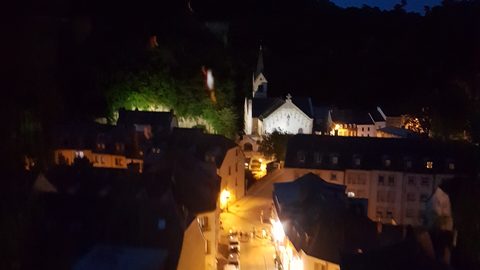 Is Luxembourg Safe? The Honest Answer With the Caveats Worth Naming
Luxembourg is exceptionally safe, but the Gare district after dark, unlit valley staircases, and late-night tram encounters are worth knowing about.
Is Luxembourg Safe? The Honest Answer With the Caveats Worth Naming
Luxembourg is exceptionally safe, but the Gare district after dark, unlit valley staircases, and late-night tram encounters are worth knowing about.
-
 Luxembourg trip costs and why free transport does not make it cheap
Free buses and trams do not make Luxembourg cheap. Expect €25-35 lunch mains, €6-8 beers, and hotels rarely under €180. Here is a realistic daily budget breakdown.
Luxembourg trip costs and why free transport does not make it cheap
Free buses and trams do not make Luxembourg cheap. Expect €25-35 lunch mains, €6-8 beers, and hotels rarely under €180. Here is a realistic daily budget breakdown.
-
 Remerschen
 is a Moselle wine village of about 765 people, and the commune it sits in was named after it until 2006. Then the council voted to call itself Schengen instead.
Remerschen
Remerschen is a Moselle wine village of about 765 people, and the commune it sits in was named after it until 2006. Then the council voted to call itself Schengen instead.