Inside the European Museum Schengen
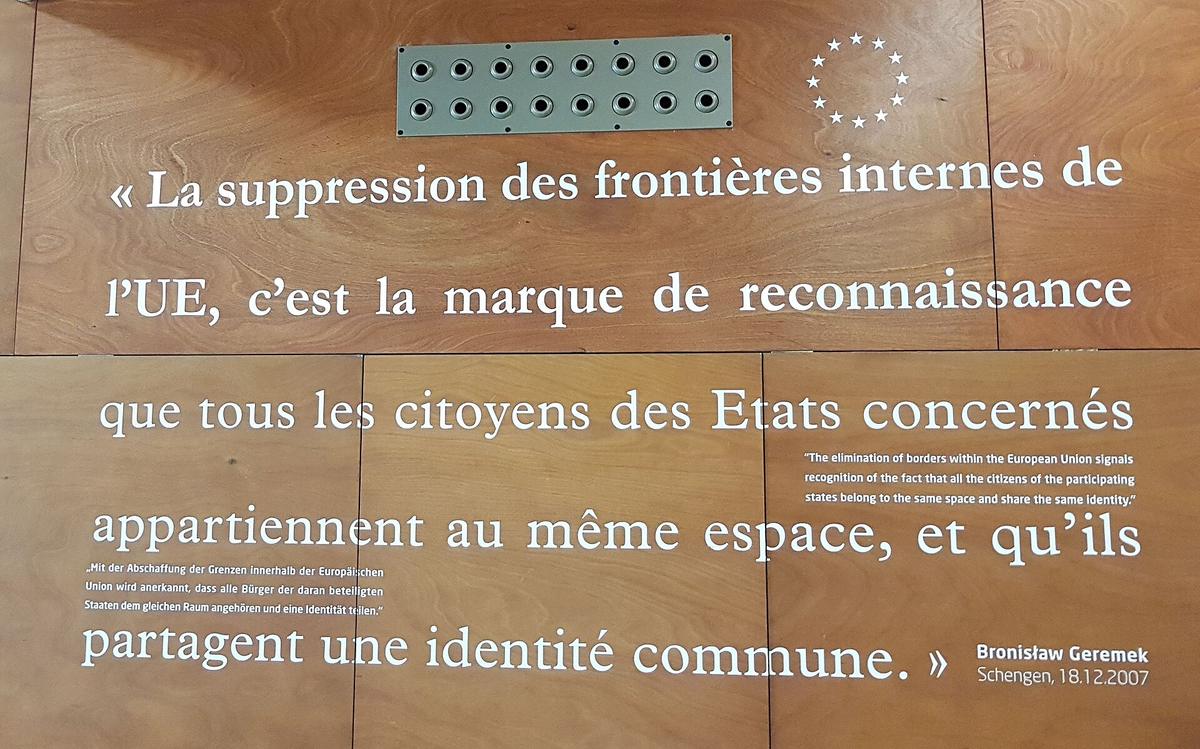
The European Museum Schengen is a modern, modest museum explaining the border-free Agreement. It is well-executed but small, and closed Mondays and Tuesdays.

Visiting the European Museum Schengen
The European Museum Schengen closes on Mondays and Tuesdays. That is the single most important fact about planning a visit because if you arrive on either of those days you will find a locked door and a quiet village with few backup options. Plan your visit Wednesday through Sunday, and arrive between 10:00 and 17:00 in peak season, with reduced hours in autumn and winter. The museum is free, no booking required, and you will finish in 45 minutes to an hour. That modest duration is the core of the decision you need to make: is the museum worth a dedicated trip from outside the Moselle region, or should you treat it as one stop on a wine route?
The answer for most travellers is the latter. If you are a wine tourist working the Luxembourg Wine Road, a cyclist following the Moselle towpath, or a day-tripper combining Schengen with Remich, the European Museum Schengen slots neatly into a larger outing. If you are flying in from another continent specifically to see where the Agreement was signed, the museum justifies the journey only if you already care deeply about EU history and border politics. Everyone else should build the visit around a wine tasting, a riverside walk, and a meal of friture de la Moselle, then treat the museum as a focused 45-minute educational stop.
- Name: European Museum Schengen
- Location: Schengen, Luxembourg
- Subject: Schengen Agreement (1985) and Schengen Convention (1990); growth of the Schengen Area from 5 founding states to present membership
- Exhibit Types: Border-control equipment; hats of abolished border services
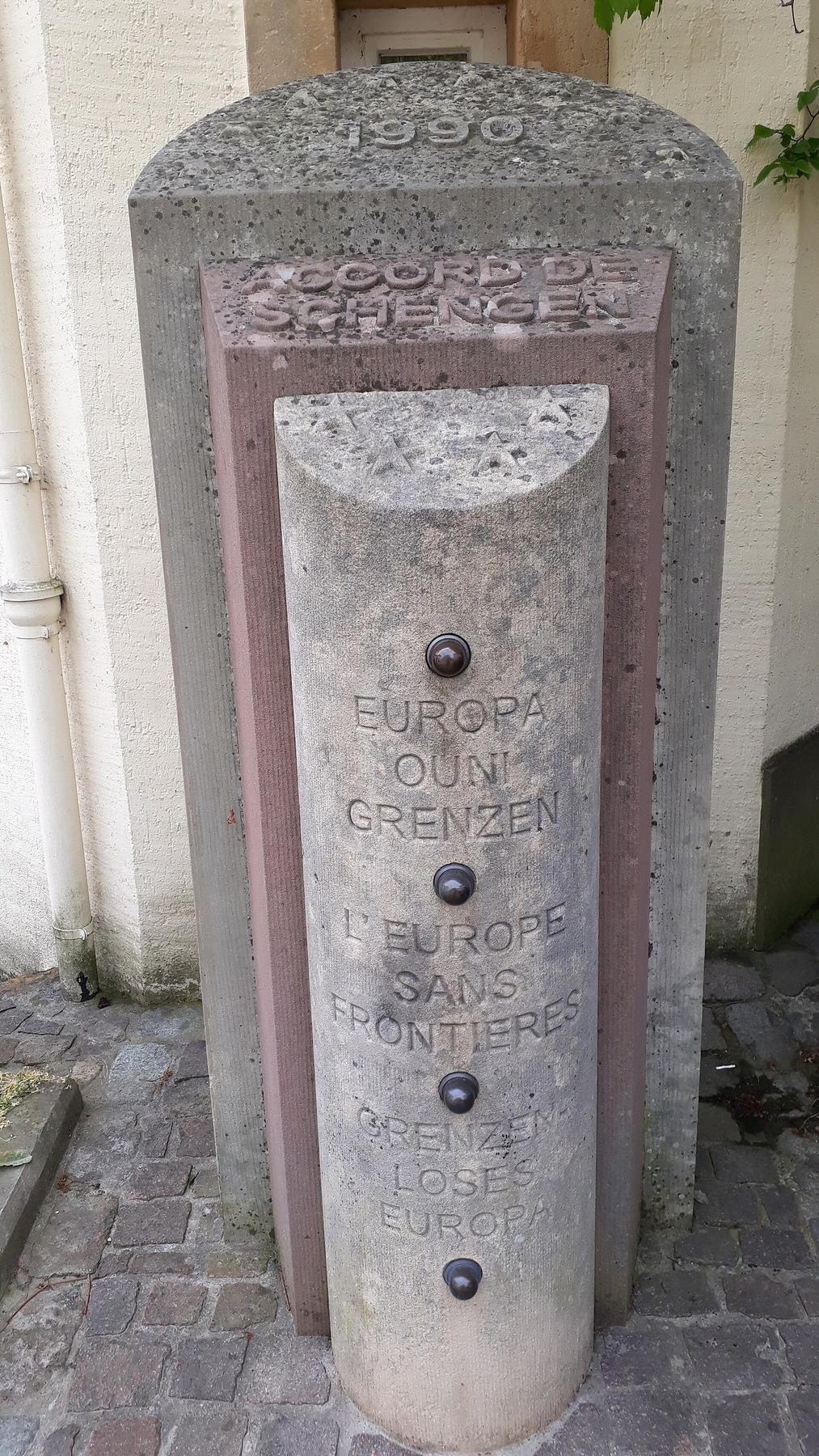
- Outdoor Features: Star Columns; monument at the quayside
- Opening Hours: Variable by season; closed Monday and Tuesday
- Admission: Free
- Typical Visit Duration: 45 minutes to 1 hour
- Worth a Dedicated Trip: Yes, for visitors specifically interested in EU history
What You See Inside the Centre Building
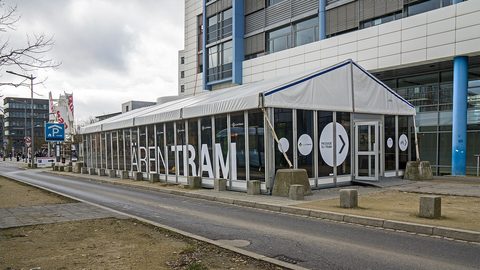
The museum occupies the European Centre building, a modern glass and concrete structure that looks more like a small civic hall than a landmark. Do not expect an expansive institution. The permanent exhibition covers two main stories: the signing of the Schengen Agreement in 1985 aboard a riverboat, the subsequent Schengen Convention of 1990, and the expansion of the zone from five founding countries to its current membership. You will find border-control equipment from the era before free movement, including uniforms, inspection stamps, and even hats from abolished border services. The displays are well-lit, the text panels are in multiple languages, and the design is clean and contemporary. The museum does not try to be a theme park. It tells a focused political and logistical story.
Outdoor Monuments and Visit Timing
Outside, walk to the quayside monument, a set of three steel pillars erected to mark the Agreement. The Star Columns sit nearby. Both are photogenic but brief stops. Count on 10 minutes for the outdoor elements, then 35 to 50 minutes inside. The total site footprint means you cannot stretch this into a half-day activity. That is not a flaw, it is the building. If you want a deep dive into European integration, the museum delivers a sharp, digestible primer. If you expect an immersive experience or children's activities, you will leave underwhelmed.
What the Museum Does Not Cover
The museum sticks to the history of the Schengen Area's creation and expansion. It does not explain the 90/180 rule, current visa policies, or modern border checks at external frontiers. Those topics belong to other resources, and the museum respects that boundary. You will learn about the political negotiations, the logistics of removing internal borders, and the symbolic weight of the Agreement. That is all. For a wine route traveller, this specificity is a virtue. It keeps your visit short and your afternoon free for Riesling.
How the Museum Fits Into a Schengen Day
Arrive by 10:00. Park at the village core or the European Centre lot; both are small but adequate outside peak months. Visit the museum first, before the occasional tour group arrives, then walk the Moselle promenade to the Three Borders Point where Luxembourg, Germany and France meet. That marker is a grassy patch with a sign, not a monument, so keep expectations low. From there, climb the vineyard slopes above the village for river views and a tasting at a local cellar. Most cellars pour Riesling and Pinot Gris, and some offer Crémant de Luxembourg. Lunch should be friture de la Moselle or a slice of Quetschentaart, plum tart, but only if you find a café open. Dining options are sparse. Outside summer and weekends, you may need to drive 10 minutes to Remich for a reliable meal.
What Schengen Offers Beyond the Museum
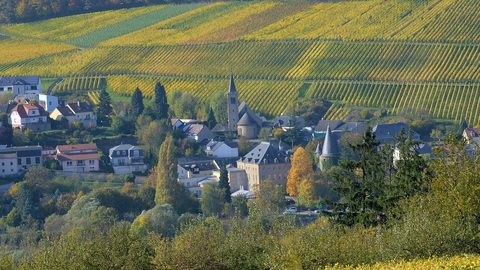
The village of Schengen itself is not a destination for a full day. It is a wine-growing settlement stretched along the Moselle, quiet and slow-paced. Visitors who expect a landmark town because of the Agreement's fame are the ones who leave disappointed. The main draws here are river views, vineyards, and one modest museum. Do not come for nightlife, shopping, or playgrounds. Come for a calm morning, a focused museum visit, and an afternoon on a bicycle or a wine terrace. If you pair the museum with a bike ride along the Moselle towpath to Remich and back, plus a stop at a cellar, that fills a pleasant half-day. Add an overnight at a hotel or the Schengen Castle hotel, and you have a proper escape without rushing.
Getting There and Getting Around
There is no train station in Schengen. The nearest rail access is in Wellenstein or Remich, connected by free bus. From Luxembourg Airport, take bus 29 to Luxembourg City centre, then a train or onward bus to Schengen; total time is about 1 hour 15 minutes. By car, the airport to the museum is 30 to 35 minutes via A1 and A13. Public transport inside Luxembourg is free, which removes any cost friction. Once in the village, walking covers everything. Bicycles are the better choice for the vineyard slopes and the towpath. Rent one in Remich or bring your own. The museum does not have a bike rack issue, but there is no formal secure parking either.
| Visitor Type | Best Approach |
|---|---|
| EU history enthusiast | Worth a dedicated trip from outside the Moselle region: plan to spend 45 minutes in the museum, then explore the border point and wine cellars |
| Wine tourist on the Moselle route | Treat the museum as one stop: visit for 45 minutes, then continue to Remich or Trier for the afternoon |
| Cyclist on the Moselle towpath | Include the museum as a midday break: lock the bike outside, see the exhibits in under an hour, then ride on |
| Family with children | Skip the museum unless your kids are old enough to read political history: the village offers no playgrounds or attractions |
| Traveller wanting a full day of sightseeing | Do not base your day in Schengen alone: combine museum with Remich promenade and a Trier day trip |

When to Come and When to Stay Away
Peak season runs May through September. Warm weather opens the river terraces, wine cellars, and cycling paths. July and August bring the most day-trippers, but the village never feels crowded. The worst window is November to March. Many wine cellars, cafes, and the tourist office run reduced hours or close entirely. The river valley turns grey and damp. If you arrive in winter without a car, you may struggle to find food beyond a single restaurant. Sunday also limits your options: the museum is open but dining choices shrink further. Avoid Monday and Tuesday entirely for museum access.
For a one-day trip, arrive by 10:00, do the museum first, walk the promenade, have lunch, and leave by 15:00 if you are not biking. For an overnight, stay at the Schengen Castle hotel or a guesthouse on the vineyard slopes, and use the evening for a wine tasting at a cellar with a view. The village is best as a quiet stop, not a base. The honest caveat: the European Museum Schengen is a well-executed, modern, free museum that takes less time than you think. If that is what you want, it delivers. If you wanted a grand civic monument or a lively tourist town, no amount of the Agreement's fame will make Schengen feel like one.
Common Questions
Can I visit the European Museum Schengen on a Monday or Tuesday?
No. The museum is closed on Monday and Tuesday year-round. Plan your visit Wednesday through Sunday. If you arrive on a closed day, the village has very few other attractions to occupy you.
How long does the museum take?
45 minutes to one hour. It is a focused, modern exhibition in a modest building. You cannot stretch it into a half-day activity. Budget 10 extra minutes for the outdoor Star Columns and quayside monument.
Do I need to book tickets in advance?
No. Admission is free and no advance booking is needed. The museum rarely reaches capacity outside peak summer weekends. Just walk in during opening hours.
Is the museum suitable for children?
Not really. The exhibits are text-heavy and cover political history and border logistics. There are no interactive elements or playgrounds. Families with young children should skip it and head to the Moselle promenade.
Read next
-
 Schengen Castle
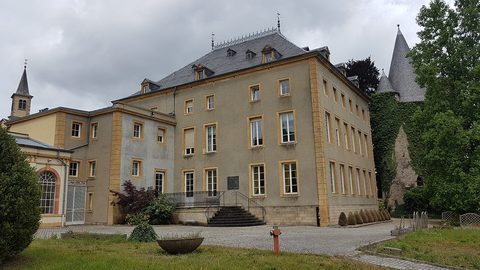
 is a 19th-century manor now operating as a hotel and restaurant. The surviving tower is visible, but the interior is not a historic museum.
Schengen Castle
Schengen Castle is a 19th-century manor now operating as a hotel and restaurant. The surviving tower is visible, but the interior is not a historic museum.
-
 The Koch'haus
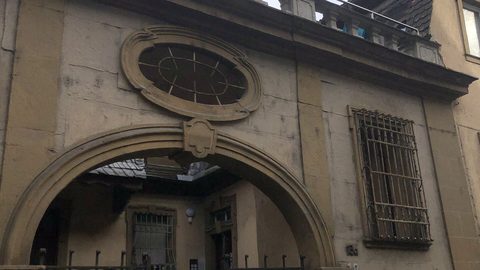
The Koch Haus is a baroque building standing beside Schengen Castle. Its current use is not a public museum, so access depends on events and functions.
The Koch'haus
The Koch Haus is a baroque building standing beside Schengen Castle. Its current use is not a public museum, so access depends on events and functions.
-
 Flying to Luxembourg and when a neighbouring airport works better
Luxembourg Airport is convenient but has limited airlines. Sometimes flying into Frankfurt, Brussels, or Paris and taking a train saves hundreds. Compare your options.
Flying to Luxembourg and when a neighbouring airport works better
Luxembourg Airport is convenient but has limited airlines. Sometimes flying into Frankfurt, Brussels, or Paris and taking a train saves hundreds. Compare your options.
-
 Best Time to Visit Luxembourg – Weather, Closures, and Fireworks
May to September brings the best walking weather and terrace-drinking season, but avoid August when many Luxembourg restaurants and shops close for holidays.
Best Time to Visit Luxembourg – Weather, Closures, and Fireworks
May to September brings the best walking weather and terrace-drinking season, but avoid August when many Luxembourg restaurants and shops close for holidays.
-
 Getting Around Luxembourg – Yes, the Buses and Trains Are Actually Free
All buses, trams, and trains in Luxembourg are completely free nationwide with no ticket needed. The catch is weekend frequency on rural routes.
Getting Around Luxembourg – Yes, the Buses and Trains Are Actually Free
All buses, trams, and trains in Luxembourg are completely free nationwide with no ticket needed. The catch is weekend frequency on rural routes.
-
 Luxembourg Prices and Money Tips – Why Lunch Costs More Than You Think
Luxembourg uses the euro and cards are accepted everywhere, but the prices for a simple meal or a round of drinks catch even prepared travellers off guard.
Luxembourg Prices and Money Tips – Why Lunch Costs More Than You Think
Luxembourg uses the euro and cards are accepted everywhere, but the prices for a simple meal or a round of drinks catch even prepared travellers off guard.
-
 Is Luxembourg Safe? The Honest Answer With the Caveats Worth Naming
Luxembourg is exceptionally safe, but the Gare district after dark, unlit valley staircases, and late-night tram encounters are worth knowing about.
Is Luxembourg Safe? The Honest Answer With the Caveats Worth Naming
Luxembourg is exceptionally safe, but the Gare district after dark, unlit valley staircases, and late-night tram encounters are worth knowing about.
-
 Luxembourg trip costs and why free transport does not make it cheap
Free buses and trams do not make Luxembourg cheap. Expect €25-35 lunch mains, €6-8 beers, and hotels rarely under €180. Here is a realistic daily budget breakdown.
Luxembourg trip costs and why free transport does not make it cheap
Free buses and trams do not make Luxembourg cheap. Expect €25-35 lunch mains, €6-8 beers, and hotels rarely under €180. Here is a realistic daily budget breakdown.
-
 Remerschen
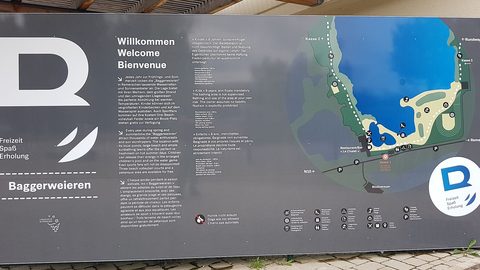
 is a Moselle wine village of about 765 people, and the commune it sits in was named after it until 2006. Then the council voted to call itself Schengen instead.
Remerschen
Remerschen is a Moselle wine village of about 765 people, and the commune it sits in was named after it until 2006. Then the council voted to call itself Schengen instead.