Which Plug Adapter You Need for Luxembourg and What Voltage to Expect
Luxembourg uses Type F plugs and 230V, exactly like Germany. The only quirk is recessed sockets in some older Grund and Pfaffenthal buildings.
Type F Plugs and Sockets Across Luxembourg
Type F, 230 V, 50 Hz
You are standing in your hotel room in Luxembourg City, phone at 3% and the charger in your hand. The socket on the wall is round and recessed. Here is what you need: Type F, 230 V, 50 Hz. That is the short answer. One detail trips people up, and because the free Citywifi network means you might charge devices in public spaces more often than you expect, it is worth knowing the full picture.
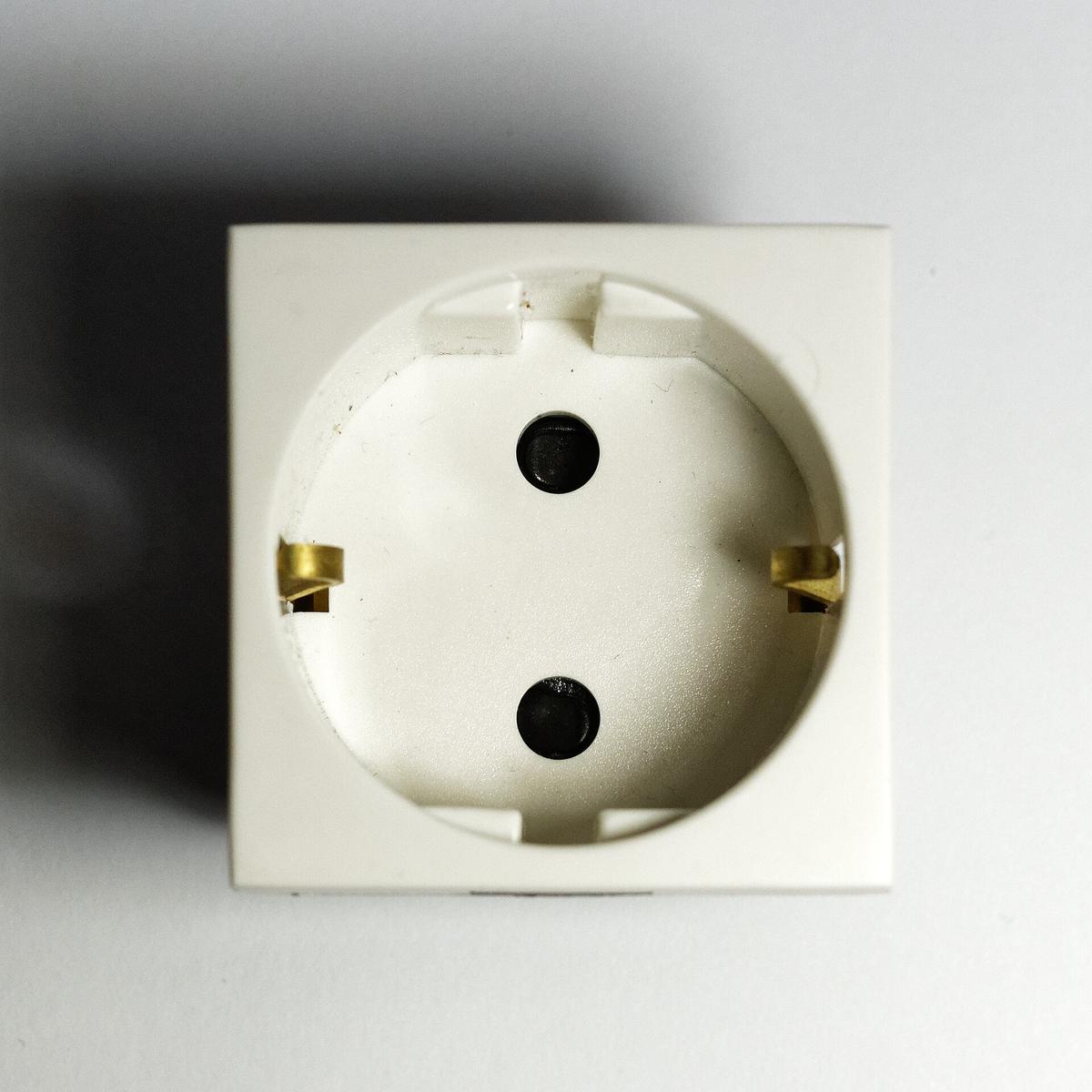
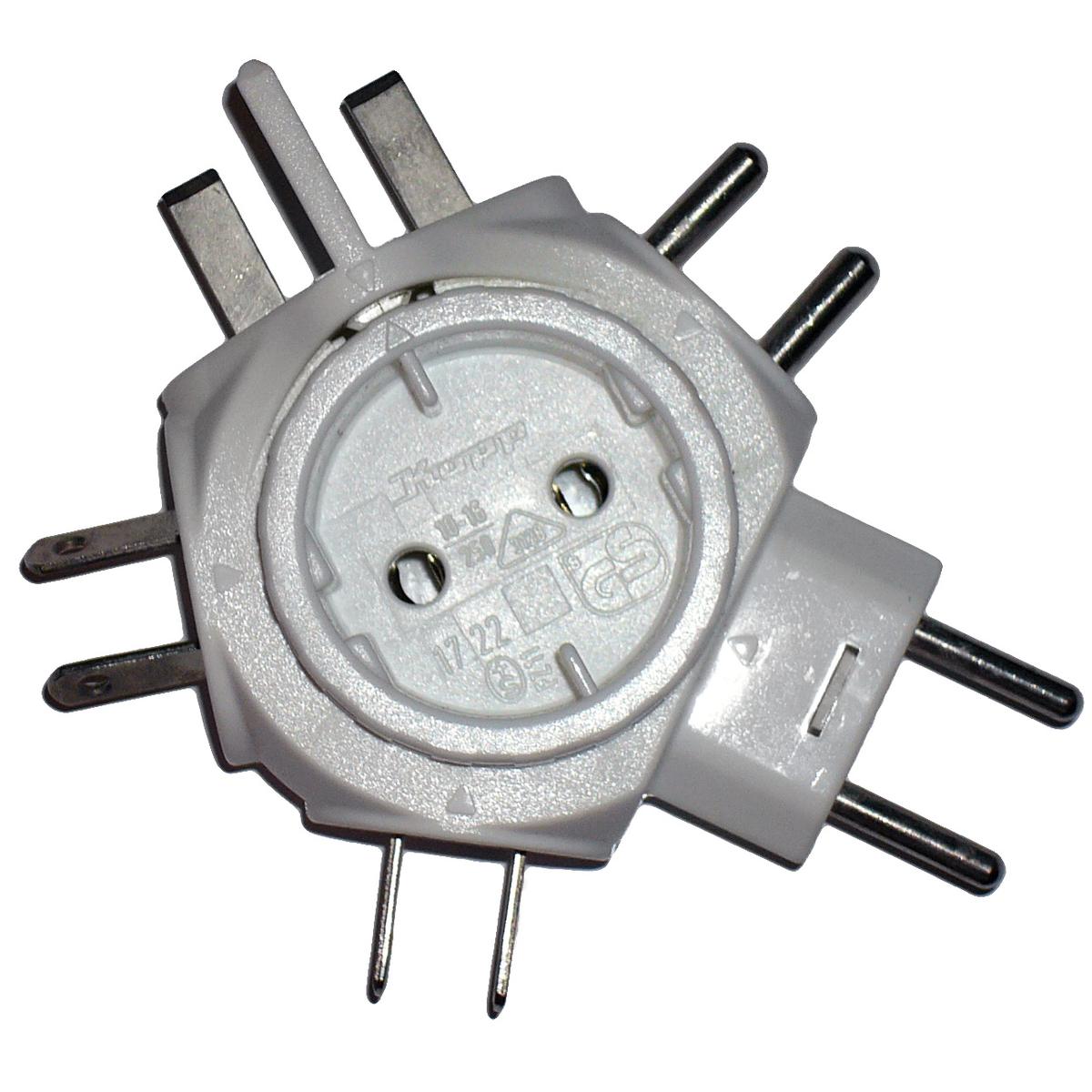
Luxembourg uses the same plug system as Germany. Type F (Schuko) sockets have two round pins, 4.0 to 4.8 mm thick, spaced 19 mm apart, with spring-loaded side grounding clips. They accept Type C (Europlug), Type E (French), and Type F plugs without a connector. Your laptop charger from Berlin works. Your phone charger from Paris works. Your US hairdryer does not, unless it is rated for 220 to 240 V input.
The Grund and Pfaffenthal Socket Trap
The one detail to check involves older buildings in the Grund and Pfaffenthal districts. Some date from the 19th century or earlier, and their sockets can be recessed deeper than modern standard. A Type E plug (French two-pin with a protruding earth pin) can struggle to seat fully in these deep recesses, because the earth pin hits the back of the socket before the prongs make contact. If you bring a Type E plug and find it loose, pick up a Type F travel accessory at a Cactus supermarket or a Relais post office for about €5.
You will not need a voltage converter for laptops, phone chargers, or camera batteries. Those are universally rated 100 to 240 V. Check the label on any device with a heating element: curling iron, travel kettle, hair straightener. If it says 120 V only, leave it at home or buy a converter.
Charging on Citywifi
Free public Wi-Fi covers most of the capital via the Citywifi network. You will find it on the Place d'Armes, along the Chemin de la Corniche, outside the Gare Centrale, and in most Kirchberg plazas. This changes how you charge. Instead of returning to your hotel at 3 pm, sit at a terrace on the Place Guillaume II, connect to Citywifi, and charge your phone from a portable battery. The network is reliable enough for maps, restaurant lookups, and messaging.
One catch: the network drops in the deep valley floors of Grund and Pfaffenthal. The signal struggles against the gorge walls. Down there, rely on your own mobile data.
.jpg)
Voltage and Frequency: What Your Devices Expect
Mains voltage is 230 V. Frequency is 50 Hz. This matches Germany, France, Belgium, and the Netherlands. Any device rated for 220 to 240 V input works. Any device rated for 120 V input (standard in the US, Canada, Japan, and parts of the Caribbean) needs a step-down converter, not just a plug adapter. A converter costs €20 to €40 at electronics shops in the Gare district. Do not buy one at the airport. Prices there jump to €60.
Hotel USB ports are common in 3-star properties and above. USB-C ports appear in 4-star hotels and above but are not yet standard. If you rely on USB-C, bring your own charging block. The free public transport network means you can reach electronics shops without a ticket cost. Take bus 16 or 29 from the airport to Gare Centrale, walk two minutes to Rue de la Gare, and find a store called Saturn or FNAC. Both stock adapters, converters, and cables.
Where You Will Actually Need to Charge in Public
Castles, Chairlifts, and Bus Shelters
The top locations for public charging in Luxembourg City are the Bock Casemates queue, the Vianden chairlift base, and the Moselle wine route bus stops. The casemates are underground with no power. Arrive with a full battery. Vianden Castle has no public charging inside, but the chairlift base café has Type F sockets. The Moselle wine route buses run hourly. The Remich bus station has two free USB ports under the shelter roof. They are often in use by 11 am.
The Late-Night Failure Case
It is 1 am. You are in Clausen after the bars close, and your phone is at 5%. The only 24-hour spot with power is the Gare Centrale waiting room. It has Type F sockets near the ticket machines. Bus 1 runs through Clausen to the Gare every 30 minutes until 3 am on weekends. Do not walk. The climb from Clausen up to Ville Haute is a 15 minute slog on a 12% gradient.
| Specification | Detail |
|---|---|
| Plug types used | Type C (Europlug, two round pins), Type F (Schuko, two round pins with side grounding clips) |
| Socket shape | Round recessed socket accepting 4.0–4.8 mm round pins spaced 19 mm apart |
| Mains voltage | 230 V |
| Mains frequency | 50 Hz |
| Compatible plug types without adapter | Type C, Type E, Type F |
| Converter required for | Devices not rated for 220–240 V input |
| USB-A ports in hotels | Common in 3-star and above |
| USB-C ports in hotels | Increasingly common in 4-star and above, not standard |

What Most Travellers Get Wrong
Treating Luxembourg as a Day Trip
The single most common mistake is treating Luxembourg as a day trip from Brussels or Paris. The country is small but dense. A 6 hour whistle stop visit means missing the casemates, the Grund after dark, and any sense of the countryside beyond the station area. You need a minimum of 2 full days: one for Luxembourg City's old town and casemates, one for countryside castles or a Moselle wine village.
Timing and Closures
The second most common mistake is arriving in August. Many local restaurants and shops close for summer holidays. The city can feel oddly quiet despite tourist numbers. Also avoid the Schueberfouer fair (late August to early September) if you dislike carnival crowds and inflated hotel rates. Peak season runs May to September, driven by pleasant walking weather, the terrace drinking season, and the June 23 Grand Duke's Birthday celebrations with fireworks.
One more friction point: most shops close all day Sunday. Many shut Monday mornings too. Public toilets are scarce outside museums and train stations. Carry coins for the few pay-to-use ones. Restaurant kitchens in the city centre close by 21:00, even on weekends. Plan accordingly.
Common Questions
Do I need a plug adapter for Luxembourg if I am coming from Germany?
No. Germany and Luxembourg both use Type F sockets. Your German plug works without an adapter.
Can I use a Type E (French) plug in Luxembourg?
Yes, in modern sockets. But in older buildings in Grund or Pfaffenthal, the deep recessed socket may prevent the protruding earth pin from seating fully. If the plug feels loose, buy a Type F adapter for about €5.
Is the voltage in Luxembourg the same as in the United States?
No. Luxembourg uses 230 V. The US uses 120 V. Any device rated only for 120 V input needs a step down converter, not just a plug adapter.
Where can I buy a plug adapter in Luxembourg City?
Cactus supermarkets, Relais post offices, and electronics stores like Saturn or FNAC in the Gare district. Expect to pay about €5 for a Type C to Type F adapter.
Do Luxembourg hotels have USB ports?
USB A ports are common in 3 star hotels and above. USB C ports are increasingly common in 4 star properties and above, but not standard. Bring your own charging block if you need USB C.
Is public Wi-Fi available for charging my phone in Luxembourg City?
Yes. The free Citywifi network covers the Place d'Armes, Chemin de la Corniche, Gare Centrale, and Kirchberg plazas. It does not work reliably in the deep valley floors of Grund and Pfaffenthal.
Can I charge my phone on public transport in Luxembourg?
No. Buses, trams, and trains do not have power sockets for passengers. Charge before you board or use a portable battery.
Read next
-

 Flying to Luxembourg and when a neighbouring airport works better
Luxembourg Airport is convenient but has limited airlines. Sometimes flying into Frankfurt, Brussels, or Paris and taking a train saves hundreds. Compare your options.
Flying to Luxembourg and when a neighbouring airport works better
Luxembourg Airport is convenient but has limited airlines. Sometimes flying into Frankfurt, Brussels, or Paris and taking a train saves hundreds. Compare your options.
-
 Best Time to Visit Luxembourg – Weather, Closures, and Fireworks
May to September brings the best walking weather and terrace-drinking season, but avoid August when many Luxembourg restaurants and shops close for holidays.
Best Time to Visit Luxembourg – Weather, Closures, and Fireworks
May to September brings the best walking weather and terrace-drinking season, but avoid August when many Luxembourg restaurants and shops close for holidays.
-
 Getting Around Luxembourg – Yes, the Buses and Trains Are Actually Free
All buses, trams, and trains in Luxembourg are completely free nationwide with no ticket needed. The catch is weekend frequency on rural routes.
Getting Around Luxembourg – Yes, the Buses and Trains Are Actually Free
All buses, trams, and trains in Luxembourg are completely free nationwide with no ticket needed. The catch is weekend frequency on rural routes.
-
 Luxembourg Prices and Money Tips – Why Lunch Costs More Than You Think
Luxembourg uses the euro and cards are accepted everywhere, but the prices for a simple meal or a round of drinks catch even prepared travellers off guard.
Luxembourg Prices and Money Tips – Why Lunch Costs More Than You Think
Luxembourg uses the euro and cards are accepted everywhere, but the prices for a simple meal or a round of drinks catch even prepared travellers off guard.
-
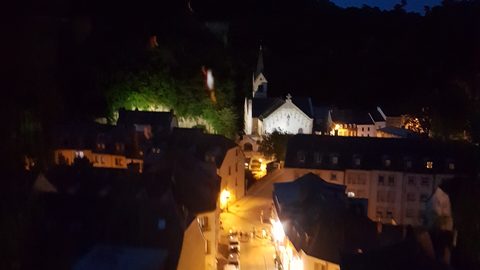 Is Luxembourg Safe? The Honest Answer With the Caveats Worth Naming
Luxembourg is exceptionally safe, but the Gare district after dark, unlit valley staircases, and late-night tram encounters are worth knowing about.
Is Luxembourg Safe? The Honest Answer With the Caveats Worth Naming
Luxembourg is exceptionally safe, but the Gare district after dark, unlit valley staircases, and late-night tram encounters are worth knowing about.
-
 Luxembourg trip costs and why free transport does not make it cheap
Free buses and trams do not make Luxembourg cheap. Expect €25-35 lunch mains, €6-8 beers, and hotels rarely under €180. Here is a realistic daily budget breakdown.
Luxembourg trip costs and why free transport does not make it cheap
Free buses and trams do not make Luxembourg cheap. Expect €25-35 lunch mains, €6-8 beers, and hotels rarely under €180. Here is a realistic daily budget breakdown.
-
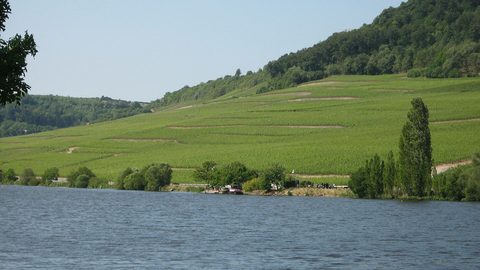 Schengen
 is a quiet wine-growing village stretched along the Moselle, not the busy landmark town most visitors expect. River views, vineyards and one modest museum define the experience.
Schengen
Schengen is a quiet wine-growing village stretched along the Moselle, not the busy landmark town most visitors expect. River views, vineyards and one modest museum define the experience.
-
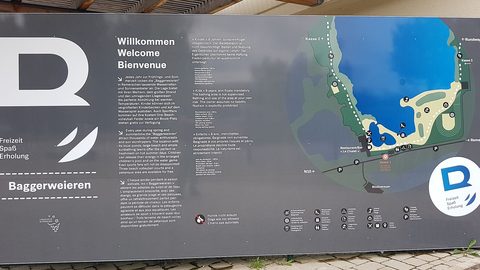 Remerschen
 is a Moselle wine village of about 765 people, and the commune it sits in was named after it until 2006. Then the council voted to call itself Schengen instead.
Remerschen
Remerschen is a Moselle wine village of about 765 people, and the commune it sits in was named after it until 2006. Then the council voted to call itself Schengen instead.
-
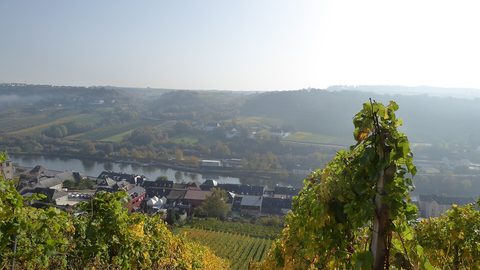 Luxembourg Moselle Wine Route Riesling Crémant and Village Cellars
The Luxembourg Moselle wine route runs through Schengen, where Riesling, Pinot Gris and Crémant de Luxembourg are poured in village cellars with river views.
Luxembourg Moselle Wine Route Riesling Crémant and Village Cellars
The Luxembourg Moselle wine route runs through Schengen, where Riesling, Pinot Gris and Crémant de Luxembourg are poured in village cellars with river views.