How Free Public Transport Works in Luxembourg, and When It Doesn't
All buses, trams, and trains in Luxembourg are completely free nationwide with no ticket needed. The catch is weekend frequency on rural routes.
How Free Public Transport Works in Luxembourg, and When it Does Not
You walk onto a bus, tram, or second-class train in Luxembourg and show no ticket. You tap no card. You hold no pass. It has been free since 29 February 2020, and it covers every standard bus, every tram, and every second-class rail car in the country. The catch is not the price. The catch is that the free network is a single, honest deal, and it breaks for visitors in two specific ways.
First, rural bus routes. On weekends and after 19:00, frequencies collapse to one bus every two hours in some villages. The Vianden castle bus from Ettelbruck runs hourly on weekdays but drops to every 90 minutes on a Sunday, and the last departure can leave you stranded. Second, cross-border trains. The free pass ends at Luxembourg stations. A ticket to Trier costs about 8 euro one way, and to Metz about 10 euro. Pay before you board or face a fine onboard. First class requires a paid supplement. Standard class is free. The difference matters on the longer Brussels and Paris runs, where first class gets you a quieter car and a power socket that works.
The Pfaffenthal Lift: A Shortcut, Not a Tourist Ride
The Pfaffenthal Panoramic Elevator is not a sightseeing detour. It is a functional piece of the transport system, a glass lift that drops 60 metres from the Ville Haute plateau down to the Pfaffenthal valley floor, where the train station and a bus stop sit. Use it when Google Maps tells you a 10-minute walk between the upper city and the Grund. That walk involves roughly 100 vertical metres of stairs and cobbles, and your legs will burn. The lift takes 90 seconds and is free.

The Tram, the Airport, and the Timetable Trap
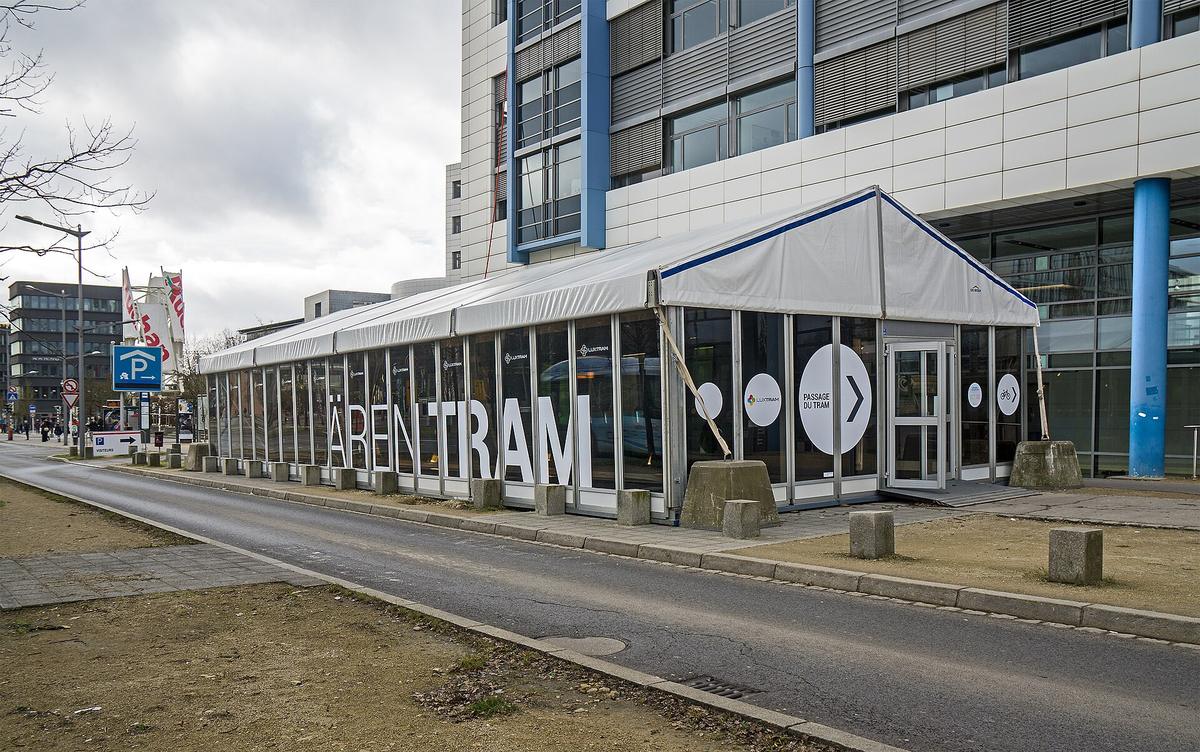
Luxembourg City has one tram line, T1, operated by Luxtram. It runs from Luxexpo in the Kirchberg district to Cloche d'Or in the south. The full route is scheduled for completion in 2025. As of 2025, the tram also reaches Findel airport, replacing the bus for the final leg. Bus 16 and bus 29 still run from the airport to the central station, Gare Centrale, taking 20 to 25 minutes. A taxi costs roughly 35 euro and takes 15 minutes. Do not take a taxi unless you have four bags or a late arrival. The bus and tram are free, frequent, and drop you at the same place.
The real friction is the timetable. Download the Mobiliteit app before you arrive. It covers all buses, trams, and trains with live departure data. Google Maps works for the main routes but misses the weekend rural cuts. If you miss the 17:30 bus from Echternach back to the city on a Saturday, the next bus is at 19:00. That is not a 30-minute wait. That is a 90-minute wait in a town where most shops close at 17:00. Plan your return before you leave the hotel.
What The Free Network Excludes
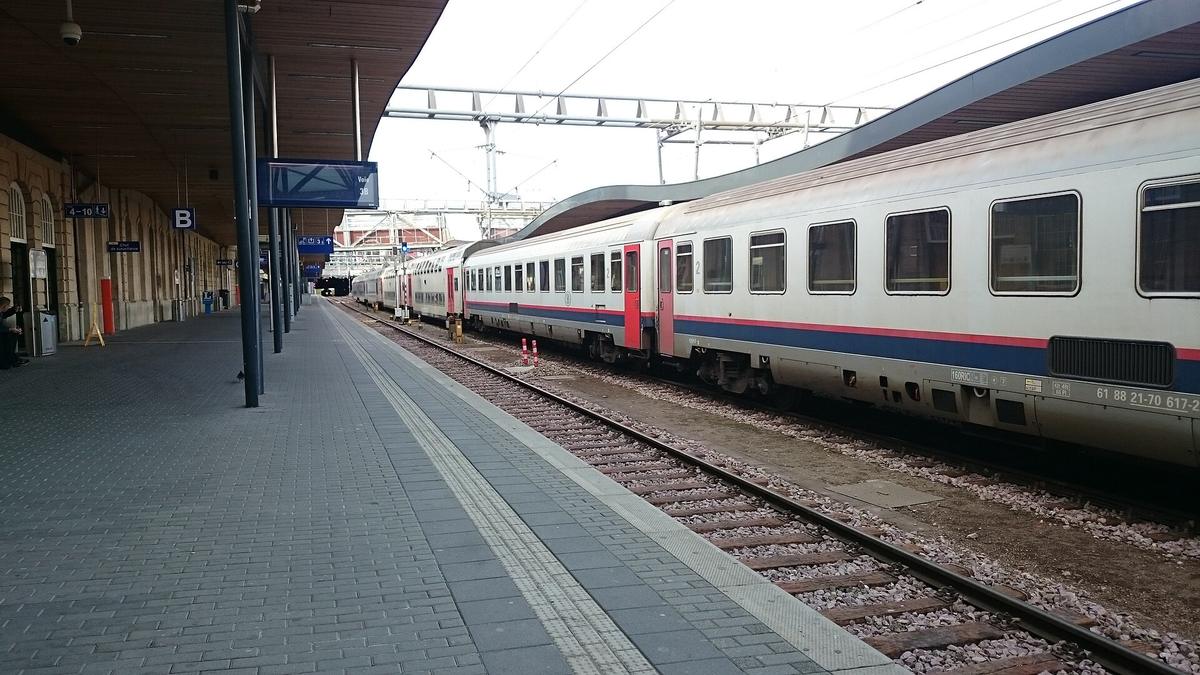
First-class trains are excluded. Special services and on-demand buses, such as the night bus lines in the city, may charge a fee. Verify each service on the Mobiliteit app before boarding. Cross-border rail legs beyond Luxembourg stations are excluded. The SNCB train to Brussels, the TGV to Paris, the DB train to Trier, and the SNCF train to Metz all require a separate ticket from the first station outside Luxembourg. The free network stops at the border.
Parking, Walking, and the Vertical City
If you arrive by car, park at one of the P+R facilities at the city edge: Bouillon, Howald, or Luxexpo. Daily rates range from 0 to 10 euro depending on the facility and duration. On-street parking in Ville Haute and the Gare district is paid and scarce. The P+R lots connect directly to the free tram and bus network. Leaving your car at the hotel and using public transport is faster than circling for a space.
Why Walking Times Lie
Walking in Luxembourg City is deceptive. Distances are short. The Chemin de la Corniche to the Grund is 800 metres. But that 800 metres includes a descent of 80 metres and a climb back up that will take 15 minutes of stairs. The Pfaffenthal lift solves the worst of it. For the rest, budget double the Google Maps walking time. If you are in the Gare district and want to reach the Bock Casemates, the app says 18 minutes. Plan for 30. The extra time means you arrive without sweat and with energy to climb the casemate tunnels. Once you cross the border into France, that same rail network connects to the SNCF system, where a strike can turn a simple ticket into a puzzle.
Day Trips by Free Transport
You can reach Vianden Castle by free train and bus. Take a train from Luxembourg City to Ettelbruck, 30 minutes. Then the bus to Vianden, another 20 minutes. Total time about one hour. The bus runs hourly on weekdays, every 90 minutes on weekends. The castle entry fee is 10 euro for adults. The chairlift up the hill is 8 euro. Skip the chairlift if you want the view; the castle ramparts give you the same panorama for free with admission.
Echternach Abbey and the Müllerthal trailhead are 45 minutes by car or one hour by bus from the city. The bus runs every 30 minutes on weekdays, every hour on Saturday, and every two hours on Sunday. Leave by 09:00 to guarantee a morning return. The Moselle Valley wine villages, Remich and Wormeldange, are 40 minutes by bus. The bus runs hourly. Trier, Germany, is 45 minutes by train, but that train requires a ticket from the Luxembourg border station, Wasserbillig. Buy a day return for about 16 euro from the ticket machine at Gare Centrale.

What Goes Wrong Most Often
Visitors treat Luxembourg as a day trip from Brussels or Paris. Brussels is 3 hours 10 minutes by train. Paris is 2 hours 10 minutes by TGV. The math seems to work. It does not. The Bock Casemates close at 17:00. The Grund bars do not get busy until 22:00. The countryside castles are an hour each way. A six-hour whistle stop means you see the station area, eat a rushed lunch, and leave before the city opens. Book two full days minimum. One for the old town and the casemates. One for Vianden or a Moselle wine village. That is the difference between a checklist and a trip that works.
The free transport is a genuine gift. It saves you 50 euro over a weekend in the city. But it demands that you check the timetable, download the app, and accept that rural buses stop running early. Go into it knowing the gaps, and you will never pay for a Luxembourg bus again. Skip that preparation, and you will be standing at a dark bus stop in Echternach at 18:30 watching the next bus vanish on the app.
Common Questions
Do I need to tap a card or show anything to board a bus or tram?
No. Walk on. No ticket, no barrier, no card. This applies to all standard buses, trams, and second-class trains nationwide. First class requires a paid supplement.
Can I take the free train from Luxembourg to Trier or Metz?
No. Free transport ends at the last Luxembourg station. You need a ticket for the cross-border leg. A day return to Trier costs about 8 euro. Buy it before boarding.
How do I get from the airport to the city centre?
Bus 16 or 29 to Gare Centrale, 20 to 25 minutes, free. The tram T1 also reaches the airport as of 2025. A taxi costs roughly 35 euro and takes 15 minutes.
What happens if I miss the last bus back from Vianden on a Sunday?
The last bus from Vianden to Ettelbruck on a Sunday departs around 19:00. A taxi from Vianden to Luxembourg City costs roughly 80 euro. Check the Mobiliteit app before you leave.
Read next
-

 Flying to Luxembourg and when a neighbouring airport works better
Luxembourg Airport is convenient but has limited airlines. Sometimes flying into Frankfurt, Brussels, or Paris and taking a train saves hundreds. Compare your options.
Flying to Luxembourg and when a neighbouring airport works better
Luxembourg Airport is convenient but has limited airlines. Sometimes flying into Frankfurt, Brussels, or Paris and taking a train saves hundreds. Compare your options.
-
 Best Time to Visit Luxembourg – Weather, Closures, and Fireworks
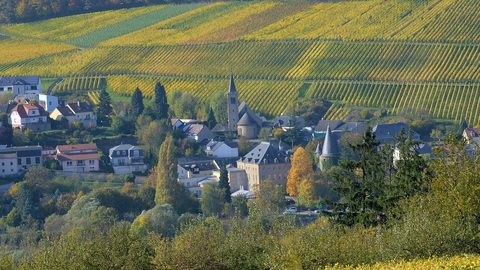
May to September brings the best walking weather and terrace-drinking season, but avoid August when many Luxembourg restaurants and shops close for holidays.
Best Time to Visit Luxembourg – Weather, Closures, and Fireworks
May to September brings the best walking weather and terrace-drinking season, but avoid August when many Luxembourg restaurants and shops close for holidays.
-
 Luxembourg Prices and Money Tips – Why Lunch Costs More Than You Think
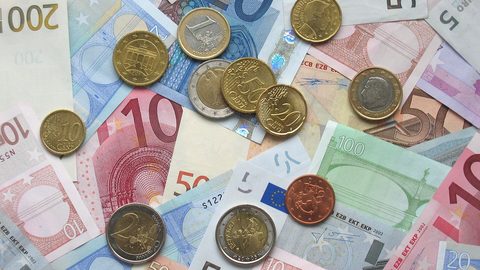
Luxembourg uses the euro and cards are accepted everywhere, but the prices for a simple meal or a round of drinks catch even prepared travellers off guard.
Luxembourg Prices and Money Tips – Why Lunch Costs More Than You Think
Luxembourg uses the euro and cards are accepted everywhere, but the prices for a simple meal or a round of drinks catch even prepared travellers off guard.
-
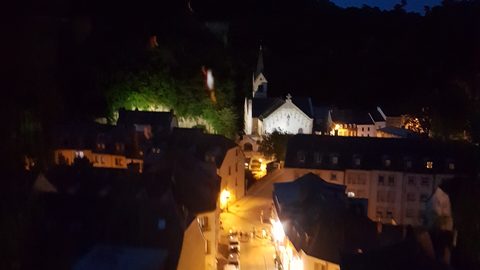 Is Luxembourg Safe? The Honest Answer With the Caveats Worth Naming
Luxembourg is exceptionally safe, but the Gare district after dark, unlit valley staircases, and late-night tram encounters are worth knowing about.
Is Luxembourg Safe? The Honest Answer With the Caveats Worth Naming
Luxembourg is exceptionally safe, but the Gare district after dark, unlit valley staircases, and late-night tram encounters are worth knowing about.
-
 Luxembourg trip costs and why free transport does not make it cheap
Free buses and trams do not make Luxembourg cheap. Expect €25-35 lunch mains, €6-8 beers, and hotels rarely under €180. Here is a realistic daily budget breakdown.
Luxembourg trip costs and why free transport does not make it cheap
Free buses and trams do not make Luxembourg cheap. Expect €25-35 lunch mains, €6-8 beers, and hotels rarely under €180. Here is a realistic daily budget breakdown.
-
 Luxembourg Public Holidays – When Everything Shuts and One Day Is Uniquely Local
Luxembourg's public holidays mean full closures, and the Sunday rest rule is taken seriously. One celebration, the Grand Duke's Birthday, is uniquely local.
Luxembourg Public Holidays – When Everything Shuts and One Day Is Uniquely Local
Luxembourg's public holidays mean full closures, and the Sunday rest rule is taken seriously. One celebration, the Grand Duke's Birthday, is uniquely local.
-
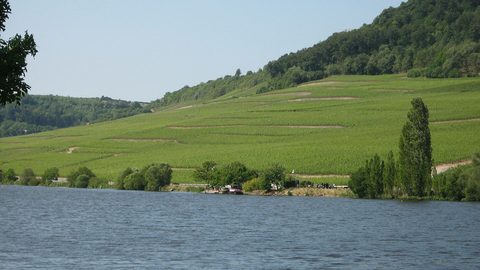 Schengen
 is a quiet wine-growing village stretched along the Moselle, not the busy landmark town most visitors expect. River views, vineyards and one modest museum define the experience.
Schengen
Schengen is a quiet wine-growing village stretched along the Moselle, not the busy landmark town most visitors expect. River views, vineyards and one modest museum define the experience.
-
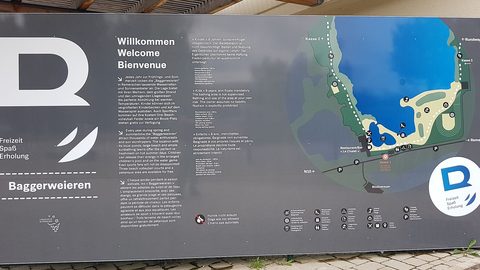 Remerschen
 is a Moselle wine village of about 765 people, and the commune it sits in was named after it until 2006. Then the council voted to call itself Schengen instead.
Remerschen
Remerschen is a Moselle wine village of about 765 people, and the commune it sits in was named after it until 2006. Then the council voted to call itself Schengen instead.
-
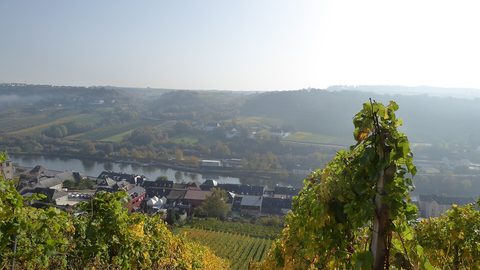 Luxembourg Moselle Wine Route Riesling Crémant and Village Cellars
The Luxembourg Moselle wine route runs through Schengen, where Riesling, Pinot Gris and Crémant de Luxembourg are poured in village cellars with river views.
Luxembourg Moselle Wine Route Riesling Crémant and Village Cellars
The Luxembourg Moselle wine route runs through Schengen, where Riesling, Pinot Gris and Crémant de Luxembourg are poured in village cellars with river views.