The Borders That Are Supposed to Be Invisible, and When They Are Not
The borders that are supposed to be invisible, and when temporary checks, police stops, and document demands return.
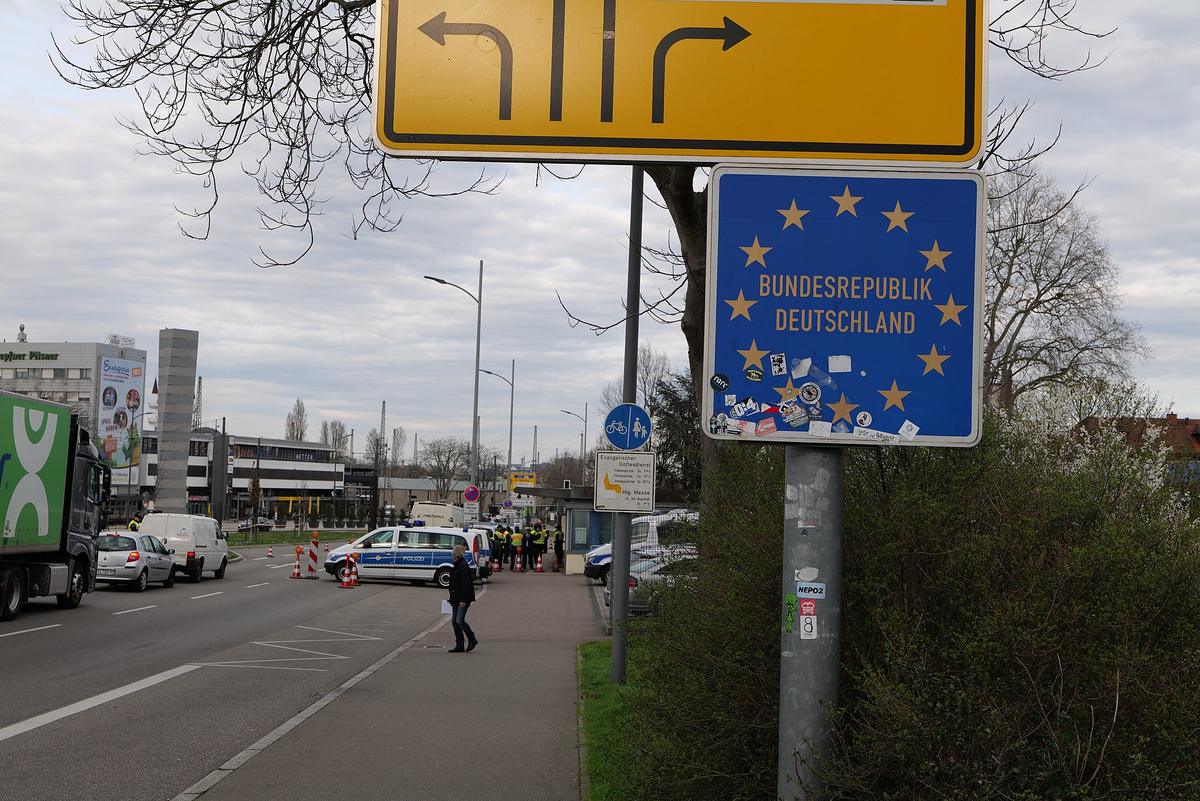

Schengen Border Checks Explained: When the Invisible Border Reappears
Schengen abolished routine passport control at internal frontiers between 29 member states, but it never made those borders legally disappear. Articles 25 to 35 of the Schengen Borders Code (Regulation (EU) 2016/399) allow any member state to temporarily reintroduce checks at specific internal crossing points for up to 30 days initially, extendable to 6 months for foreseeable events or 2 years under Article 29 for exceptional circumstances. As of 2025, eight member states have active checks: Austria, Denmark, France, Germany, Italy, Norway, Slovenia, and Sweden. The borders that are supposed to be invisible are visible again on specific corridors. You need to know where and why that happens, what ID you must carry, and how to handle a random check on a train or road without losing your itinerary.
- Countries With Active Internal Checks (2025): Austria, Denmark, France, Germany, Italy, Norway, Slovenia, Sweden
- Austria Checks With: Slovenia and Hungary (since 11 November 2024)
- Denmark Checks At: Land and sea borders with Germany (since 12 November 2024)
- France Checks At: Borders with Belgium, Luxembourg, Germany, Switzerland, Italy, Spain (since 1 November 2024)
- Germany Checks At: Land borders with France, Luxembourg, Netherlands, Belgium, Denmark, Austria, Switzerland, Czechia, Poland (since 16 September 2024)
- Maximum Initial Check Period: 30 days
- Maximum Total For Foreseeable Events: 6 months
- Maximum Total Under Article 29: 2 years
Why Border Checks Return and Where You Will Hit Them
The Triggers Behind Reintroduced Checks
Checks reappear for three legal reasons: a serious threat to public policy or internal security, exceptional circumstances putting the overall functioning of the Schengen area at risk, or foreseeable events like major sporting events or summits. Since 2015 the dominant triggers have been migration flows and terrorism. France reintroduced checks after the November 2015 Paris attacks and has kept them in various forms since. Germany, Austria, Denmark, Sweden, and Norway all reinstated checks during the 2015 migration surge. Most have renewed them continuously.
The Corridors Where You Will Be Stopped
The corridors where you are most likely to encounter a check are the Austria-Hungary and Austria-Slovenia land borders (active since November 2024), the Germany-Austria and Germany-Czechia land borders (active since September 2024), the France-Italy and France-Spain land borders (active since November 2024), and the Italy-Slovenia land border (active since October 2024). Norway checks ferries arriving from other Schengen ports. Sweden checks all internal frontiers. Slovenia checks its borders with Croatia and Hungary. Denmark checks its land and sea crossings with Germany.
These are not full immigration stops. On roads, you will find occasional police checkpoints where officers ask for a travel document or national ID card and may inspect the vehicle. On international trains, national police board at the border station and walk through the carriages checking papers. On flights, there is no immigration control between Schengen states, but the carrier will demand photo identification at the boarding gate. On ferries, police or the carrier may check papers at the port before boarding.
What Documents You Must Carry and What Happens If You Do Not
The rules vary by country. The penalty for failing to produce a valid ID when asked can be a fine, detention, or removal from the train. In France, everyone aged 18 and over must carry a valid ID. In Germany, everyone aged 16 and over must carry a passport or ID card. In Italy, foreigners must carry a passport or residence permit. In Belgium, everyone aged 15 and over needs an identity card or passport. In the Netherlands, everyone aged 14 and over needs valid ID. In Spain, foreigners must carry a passport or residence card. In Sweden, foreigners must prove identity and legal stay. In Austria, there is no general carry requirement for nationals, but foreigners must carry a passport or ID.
Carry your passport or national ID card at all times when you are in a Schengen country that requires it. A driving licence is not accepted as proof of identity for border check purposes by any of these countries. A photocopy or phone photo is not accepted either. Keep the physical document on your person, not in a bag stored in the overhead rack or the boot of the car.
Handling A Random Check On A Train Or Road
When police board a train at a border station, they walk through every carriage. Officers will ask for your passport or ID card. Hand it over, state your nationality, and say nothing else. The check takes 30 seconds per person if your documents are in order. Do not argue about the legality of the check. Do not explain that this is supposed to be a borderless area. The legal basis exists, and the officer is not going to debate the Schengen Borders Code with you on a moving train.
On roads, police may signal you to pull into a checkpoint area. Stop the engine, keep your hands visible on the steering wheel, and hand over your documents when asked. Vehicle searches are rare but legal. If you are driving a rental car, ensure the rental agreement and insurance papers are in the glove box, not in your luggage.
The failure case: you are on a cross-border regional train from Italy to Slovenia, the police board at Trieste, and you left your passport at the hotel. You will be asked to leave the train at the next station. You may be fined. You will have to retrieve your documents before continuing. To avoid this, keep your passport in a zipped jacket pocket or a small cross-body bag that stays on you even when you are sleeping or reading on the train.
| Member State | Border(s) Affected | Start Date |
|---|---|---|
| Austria | Land borders with Slovenia and Hungary | 11 November 2024 |
| Denmark | Land and sea borders with Germany | 12 November 2024 |
| France | Land borders with Belgium, Luxembourg, Germany, Switzerland, Italy, Spain | 1 November 2024 |
| Germany | All land borders (France, Luxembourg, Netherlands, Belgium, Denmark, Austria, Switzerland, Czechia, Poland) | 16 September 2024 |
| Italy | Land border with Slovenia | 21 October 2024 |
| Norway | Ports with ferry connections to Schengen area | 12 November 2024 |
| Slovenia | Land borders with Croatia and Hungary | 21 October 2024 |
| Sweden | All internal borders | 12 November 2024 |
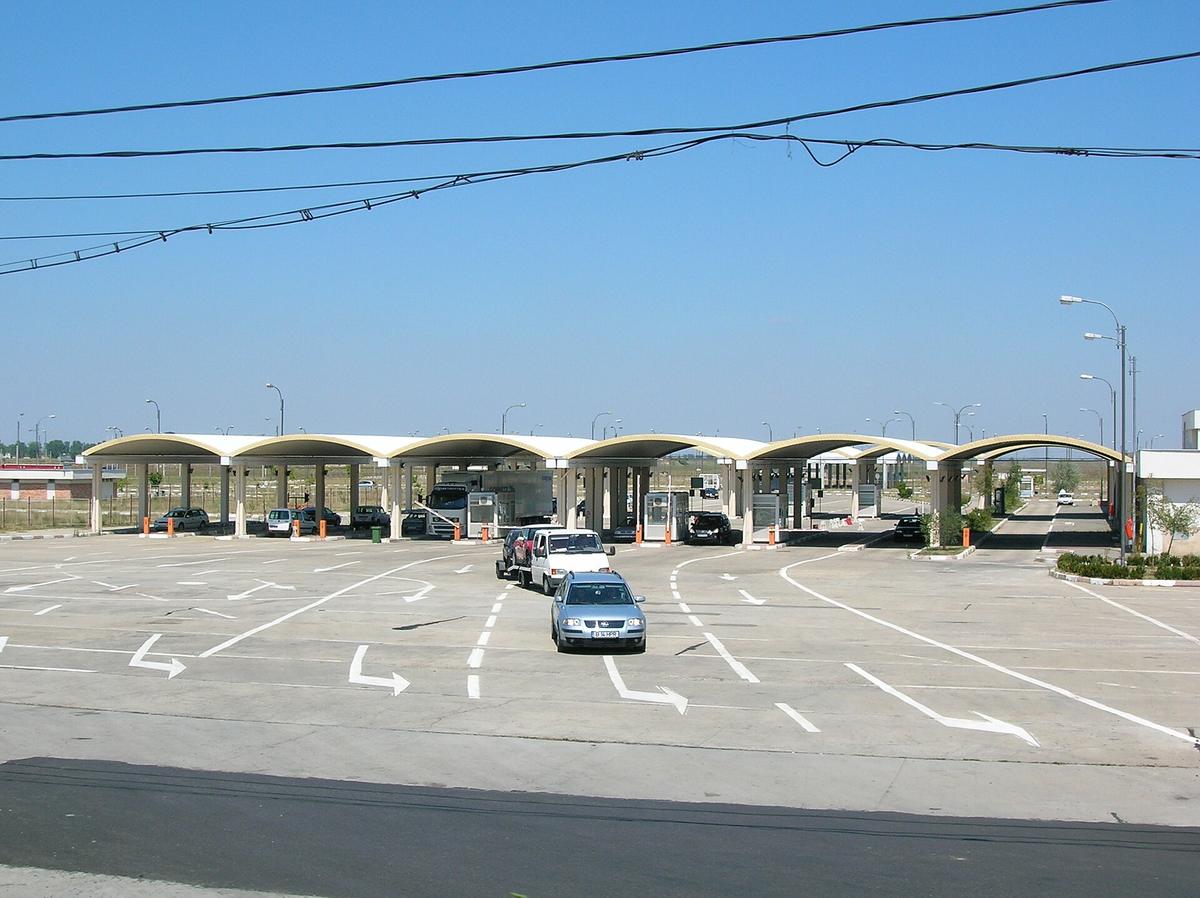

How to Check Current Notifications and What the Entry Exit System Changes
Checking Active Notifications Before You Travel
The European Commission publishes all current reintroduction notifications on its official website. Check this before you depart and again before any cross-border journey during your trip. The maximum duration for a check is 6 months for foreseeable events, but member states can renew by issuing a new notification. A check that began in September 2024 can legally continue through 2025 and beyond if each renewal period is properly notified.
What The Entry/Exit System Means For You
The Entry/Exit System (EES) is scheduled to launch in 2025. It replaces manual passport stamping for non-EU, non-EEA, and non-Swiss nationals crossing external Schengen borders. EES records your name, travel document type, biometrics (facial image and fingerprints), and the date and place of entry and exit. It applies to short stays up to 90 days in any 180-day period. It does not apply to EU, EEA, or Swiss nationals, or to non-EU nationals holding residence permits or long-stay visas. Once EES is operational, your entry and exit history will be tracked digitally. That makes overstaying much harder to hide and increases the importance of understanding the 90/180-day rule before you travel.
Read next
-
 Schengen Member Countries and the Ones People Get Wrong
Which countries are in the Schengen Area, the ones people get wrong, and the difference between Schengen and EU membership.
Schengen Member Countries and the Ones People Get Wrong
Which countries are in the Schengen Area, the ones people get wrong, and the difference between Schengen and EU membership.
-
 Schengen Travel Insurance Rules for Visas and Smart Trips
A hard requirement for Schengen visa applicants, and a good idea for everyone else crossing multiple borders.
Schengen Travel Insurance Rules for Visas and Smart Trips
A hard requirement for Schengen visa applicants, and a good idea for everyone else crossing multiple borders.
-
 Overstaying the Schengen 90-Day Rule and What Happens Next
What actually happens when you overstay the Schengen 90/180-day limit, from fines to entry bans and future visa trouble.
Overstaying the Schengen 90-Day Rule and What Happens Next
What actually happens when you overstay the Schengen 90/180-day limit, from fines to entry bans and future visa trouble.
-
 Extending a Schengen Stay Beyond 90 Days and What Actually Works
Extending a Schengen stay beyond 90 days is almost never possible. Here are the bilateral agreements and national visa routes that actually work.
Extending a Schengen Stay Beyond 90 Days and What Actually Works
Extending a Schengen stay beyond 90 days is almost never possible. Here are the bilateral agreements and national visa routes that actually work.
-
 Planning a First Multi-Country Schengen Trip Without Burning Out
Planning a first multi-country Schengen trip starts with picking one region and three bases, not a dozen cities. Here is the order to plan in.
Planning a First Multi-Country Schengen Trip Without Burning Out
Planning a first multi-country Schengen trip starts with picking one region and three bases, not a dozen cities. Here is the order to plan in.
-
 The Schengen 90-Day Rule Without the Confusion
The single most misunderstood rule in European travel, explained with a rolling-window example and no legal jargon.
The Schengen 90-Day Rule Without the Confusion
The single most misunderstood rule in European travel, explained with a rolling-window example and no legal jargon.
-
 SIM Cards, eSIMs, and Roaming Costs for Schengen Multi-Country Travel
Non-EU visitors face real connectivity costs across Schengen. Compare home roaming, local SIMs, and regional eSIM plans before you pack.
SIM Cards, eSIMs, and Roaming Costs for Schengen Multi-Country Travel
Non-EU visitors face real connectivity costs across Schengen. Compare home roaming, local SIMs, and regional eSIM plans before you pack.
-
 Turkey Entry for Schengen Visa Holders and How the Day Count Works
Learn how exiting Schengen for Turkey affects your 90/180-day count, plus ferry crossing options, Turkish visa requirements, and border documentation.
Turkey Entry for Schengen Visa Holders and How the Day Count Works
Learn how exiting Schengen for Turkey affects your 90/180-day count, plus ferry crossing options, Turkish visa requirements, and border documentation.
-
 Why the Schengen Agreement Was Signed in a Village of 500 People
The Schengen Agreement was signed in a village of 500 people because it sits at the tripoint where Luxembourg, Germany and France meet, a powerful symbol for border-free travel.
Why the Schengen Agreement Was Signed in a Village of 500 People
The Schengen Agreement was signed in a village of 500 people because it sits at the tripoint where Luxembourg, Germany and France meet, a powerful symbol for border-free travel.