Travel Insurance for the Schengen Area, Required or Not
A hard requirement for Schengen visa applicants, and a good idea for everyone else crossing multiple borders.
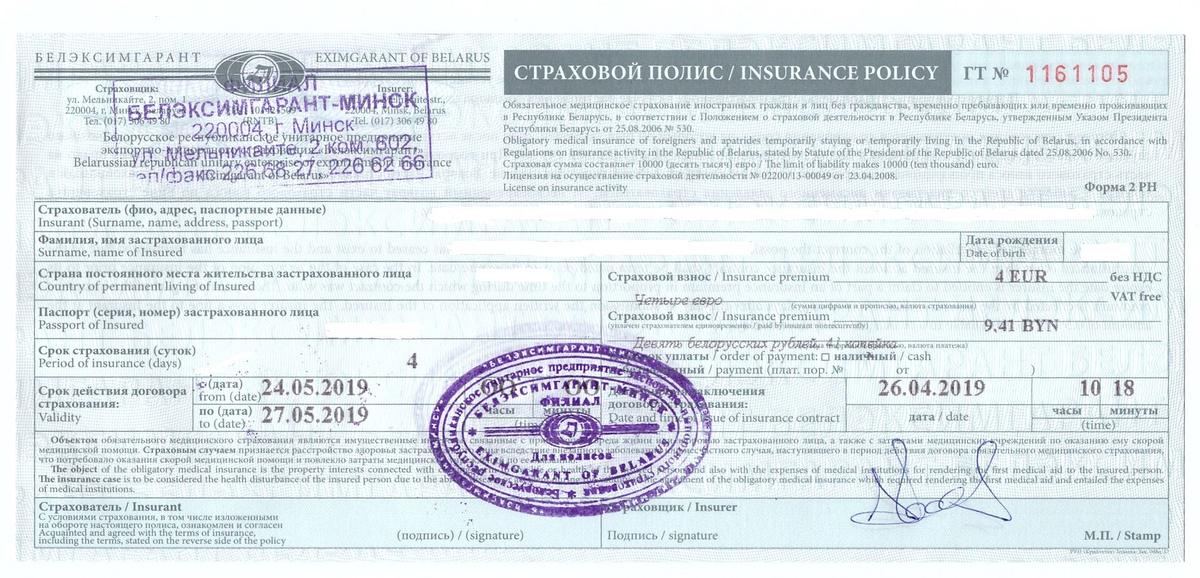

Schengen Travel Insurance is Legally Required Only If You Need a Visa
The most common mistake about Schengen travel insurance is assuming everyone needs it. That is wrong. If you hold a passport from a visa-exempt country (the United States, Canada, Australia, Japan, South Korea, or the United Kingdom for stays under 90 days), no border officer will ask for a policy. The hard legal requirement applies only to short-stay visa applicants. But the practical case for visa-free travellers is nearly as strong. The reasons are different.
The Visa Applicant's Non-Negotiables
The minimum required medical cover for a Schengen visa is EUR 30,000. That is the floor, not a suggestion. The policy must cover emergency care, hospital admission, repatriation to your home country, repatriation of mortal remains, and emergency evacuation. It must be valid across all 27 Schengen Area member states, not just the country where you lodge the application. It must cover the entire duration of your intended stay, from the moment you land to the moment you leave the zone.
Accepted providers include any insurer approved by the specific embassy or consulate, local insurers licensed in your home country if that embassy accepts them, international health insurers, and European insurers offering Schengen-compliant policies. Your policy document must show your name, the coverage amount, the validity dates matching your travel dates, and the territorial scope as Schengen Area or Europe-wide. No exceptions. No workarounds.
What Visa-Free Travellers Actually Need and Why EHIC is Not Enough
If you do not need a visa, the legal requirement is zero. But the risk is not zero. Private care costs in Schengen states are not automatically covered by your home health system. Repatriation to your home country can cost tens of thousands of euros. Some Schengen countries, including Germany and Switzerland, require payment before non-emergency hospital discharge. Without cover, you are personally liable for those bills.
The EHIC And GHIC Reality
UK nationals and eligible residents can use a European Health Insurance Card or GHIC. These are free. They cover medically necessary state-provided healthcare on the same terms as local residents, including care for pre-existing conditions that require monitoring, routine maternity care if that is not the reason for your trip, and emergency treatment at public providers. But the card does not cover private healthcare providers, repatriation to the UK, non-urgent care planned in advance, costs that local residents also pay like prescription charges, care in private clinics unless the state system has no capacity and directs you there, or costs if the sole purpose of the trip is to give birth. UK-issued EHICs remain valid until their expiry date and are then replaced by a GHIC. Apply through the NHS Business Services Authority, not a third-party site. The card is not valid in Monaco, San Marino, or Vatican City.
For non-UK travellers, check whether your country has a reciprocal health agreement with the Schengen state you are visiting. Most do not. Australia has agreements with a handful of European countries, but none cover repatriation. Canada has none. The United States has none. For every visa-exempt traveller, a standalone travel insurance policy that includes at least EUR 30,000 in medical cover and repatriation is the sensible minimum. You are paying to avoid a 30,000-euro bill, not to cover a 10-euro prescription.
How to Pick a Schengen Compliant Policy Without Overpaying
Do not buy the first policy a visa application portal suggests. The criteria are specific, but many providers meet them. The policy must be issued by an insurer approved or accredited by the embassy where you apply. That means checking the embassy website for its list of accepted providers before you purchase. Some embassies accept policies from any licensed insurer in your home country. Others require a European insurer. The cheapest compliant policy from a major insurer is fine, because the cover is standardised at EUR 30,000. What varies is the claims process, the ease of getting a policy document that matches the embassy format, and whether the insurer has a local office in Europe.
For Visa-Free Travellers: Check The Map
Your choice is wider. You want a policy that explicitly covers emergency care and repatriation for the Schengen area, not just Europe broadly. Check the territorial scope carefully. Some standard travel policies exclude Switzerland, which is in Schengen but not in the EU. The EU roam-like-at-home rule does not apply to insurance. Switzerland and non-EU Balkan states that are Schengen members can generate claims denials if the policy language says EU only. Buy a policy that names each country or says Schengen Area specifically.
The Failure Case That Most Travellers Miss
The single thing that goes wrong most often is not the cost of a doctor visit. It is the lack of a policy document that matches what the border officer expects. Visa applicants who buy a policy online and print a confirmation page that does not show the territorial scope as Schengen-wide, or that lists a coverage amount in dollars instead of euros, get rejected at the counter. The officer has no discretion. The document must show your name, EUR 30,000 minimum, dates matching your travel, and Schengen area validity. If your policy document is missing any of those four elements, you are not getting in.
The Private-Clinic Trap
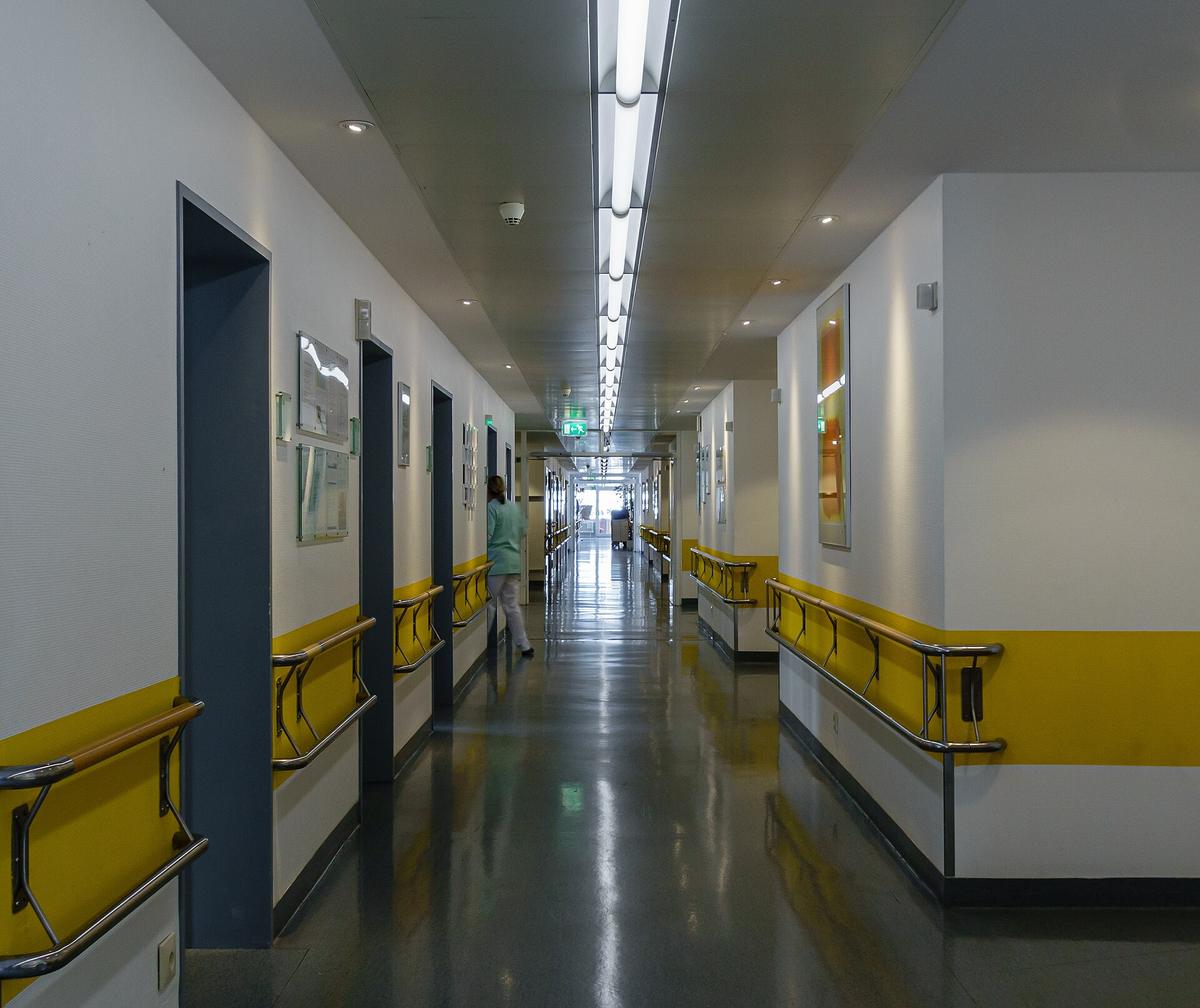
For visa-free travellers, the failure is subtler. You have an EHIC, you fall ill in a town where the only available care is at a private clinic, and the card covers nothing. The hospital holds your passport until the bill is paid. That scenario happens in coastal Portugal, rural Austria, and the French Alps every summer. No insurance policy prevents the illness. The right one prevents the financial damage.

| Requirement | Visa Applicant | Visa-Exempt Traveller |
|---|---|---|
| Minimum medical cover | EUR 30,000 | No legal minimum, but EUR 30,000 recommended |
| Emergency medical treatment | Required | Recommended |
| Hospital treatment | Required | Recommended |
| Medical repatriation | Required | Recommended |
| Repatriation of mortal remains | Required | Recommended |
| Emergency medical evacuation | Required | Recommended |
| Valid across all Schengen states | Required | Recommended |
| Covers entire stay duration | Required | Recommended |
| Policy document with name, amount, dates, territory | Required for visa application | Not required at border |
| EHIC/GHIC acceptable | No | Partially, but does not cover repatriation or private care |
Read next
-
 Schengen Member Countries and the Ones People Get Wrong
Which countries are in the Schengen Area, the ones people get wrong, and the difference between Schengen and EU membership.
Schengen Member Countries and the Ones People Get Wrong
Which countries are in the Schengen Area, the ones people get wrong, and the difference between Schengen and EU membership.
-
 Schengen Border Checks and When Invisible Borders Return
The borders that are supposed to be invisible, and when temporary checks, police stops, and document demands return.
Schengen Border Checks and When Invisible Borders Return
The borders that are supposed to be invisible, and when temporary checks, police stops, and document demands return.
-
 Overstaying the Schengen 90-Day Rule and What Happens Next
What actually happens when you overstay the Schengen 90/180-day limit, from fines to entry bans and future visa trouble.
Overstaying the Schengen 90-Day Rule and What Happens Next
What actually happens when you overstay the Schengen 90/180-day limit, from fines to entry bans and future visa trouble.
-
 Extending a Schengen Stay Beyond 90 Days and What Actually Works
Extending a Schengen stay beyond 90 days is almost never possible. Here are the bilateral agreements and national visa routes that actually work.
Extending a Schengen Stay Beyond 90 Days and What Actually Works
Extending a Schengen stay beyond 90 days is almost never possible. Here are the bilateral agreements and national visa routes that actually work.
-
 Planning a First Multi-Country Schengen Trip Without Burning Out
Planning a first multi-country Schengen trip starts with picking one region and three bases, not a dozen cities. Here is the order to plan in.
Planning a First Multi-Country Schengen Trip Without Burning Out
Planning a first multi-country Schengen trip starts with picking one region and three bases, not a dozen cities. Here is the order to plan in.
-
 The Schengen 90-Day Rule Without the Confusion
The single most misunderstood rule in European travel, explained with a rolling-window example and no legal jargon.
The Schengen 90-Day Rule Without the Confusion
The single most misunderstood rule in European travel, explained with a rolling-window example and no legal jargon.
-
 SIM Cards, eSIMs, and Roaming Costs for Schengen Multi-Country Travel
Non-EU visitors face real connectivity costs across Schengen. Compare home roaming, local SIMs, and regional eSIM plans before you pack.
SIM Cards, eSIMs, and Roaming Costs for Schengen Multi-Country Travel
Non-EU visitors face real connectivity costs across Schengen. Compare home roaming, local SIMs, and regional eSIM plans before you pack.
-
 Turkey Entry for Schengen Visa Holders and How the Day Count Works
Learn how exiting Schengen for Turkey affects your 90/180-day count, plus ferry crossing options, Turkish visa requirements, and border documentation.
Turkey Entry for Schengen Visa Holders and How the Day Count Works
Learn how exiting Schengen for Turkey affects your 90/180-day count, plus ferry crossing options, Turkish visa requirements, and border documentation.
-
 Why the Schengen Agreement Was Signed in a Village of 500 People
The Schengen Agreement was signed in a village of 500 people because it sits at the tripoint where Luxembourg, Germany and France meet, a powerful symbol for border-free travel.
Why the Schengen Agreement Was Signed in a Village of 500 People
The Schengen Agreement was signed in a village of 500 people because it sits at the tripoint where Luxembourg, Germany and France meet, a powerful symbol for border-free travel.