When to Visit Liechtenstein by Season and What Closes When
Alpine seasons dictate everything in Liechtenstein. When the trails open, when the huts close, and why November and National Day are best avoided.
When to Visit Liechtenstein by Season and What Closes When
The cable car at Malbun stops turning in mid-October. By early November, the mountain restaurants are locked, the valley trails turn to mud, and the only lights on in Vaduz are the bank windows. That is the real Liechtenstein calendar, and missing it means arriving to closed huts and empty streets.
The best time to visit is July and August for hiking, when every trail from the valley floor to the Fürstensteig ridge is open and dry. The secondary window is the winter stretch from December through February, for Christmas markets and Malbun's small family ski area. Avoid late autumn completely. Arrive before or after 15 August if you want to see the country operating normally.
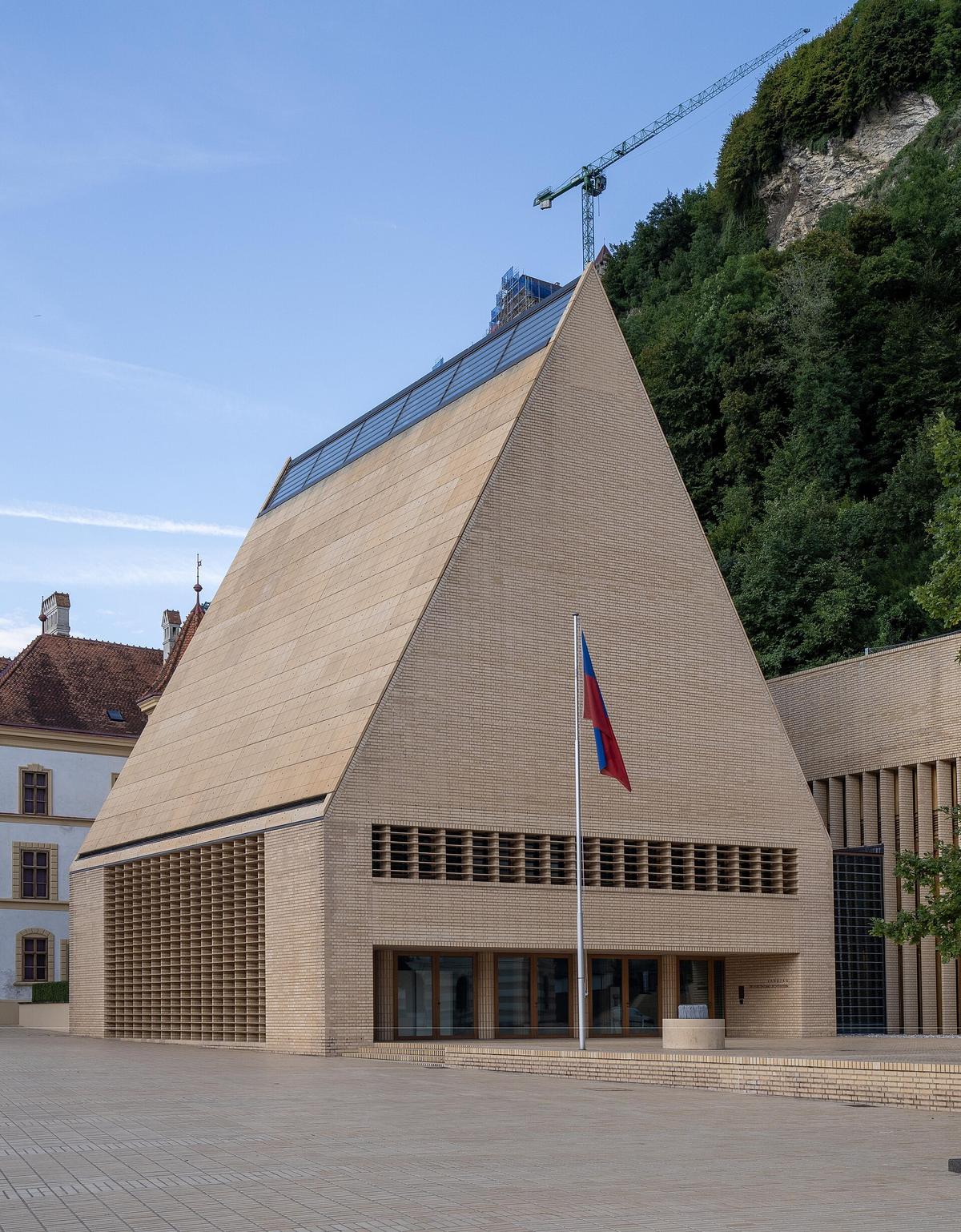

July and August: the Only Full Hiking Window
High alpine trails like the Fürstensteig open from late June to September, but July and August are the only months where you can be confident every section is free of snow and ice. Daytime temperatures in Vaduz reach 24°C to 27°C. In Malbun at 1,600 metres, expect 17°C to 20°C. That 7-degree drop means you can hike in the mountains by midday and be back in the valley for a late lunch without sweating through your shirt.
Lower valley trails open from May to October, but the high alpine window is tight. If you book for late June, call ahead on the Fürstensteig condition. Snow or ice on exposed sections closes it immediately, and that condition can persist into early July in a bad spring.
What 15 August Does to Your Day
Liechtenstein's National Day on 15 August is a public holiday. The official ceremony starts at 20:00 near Vaduz Castle, followed by fireworks. During the day, much of central Vaduz is closed for preparations, and the crowds are larger than any other day of the year. Unless you specifically want to attend the ceremony, arrive on 14 August or wait until 16 August. You will see the same museums, the same castle exterior, and the same trails without the disruption.
December to February: Christmas Markets and Malbun Skiing
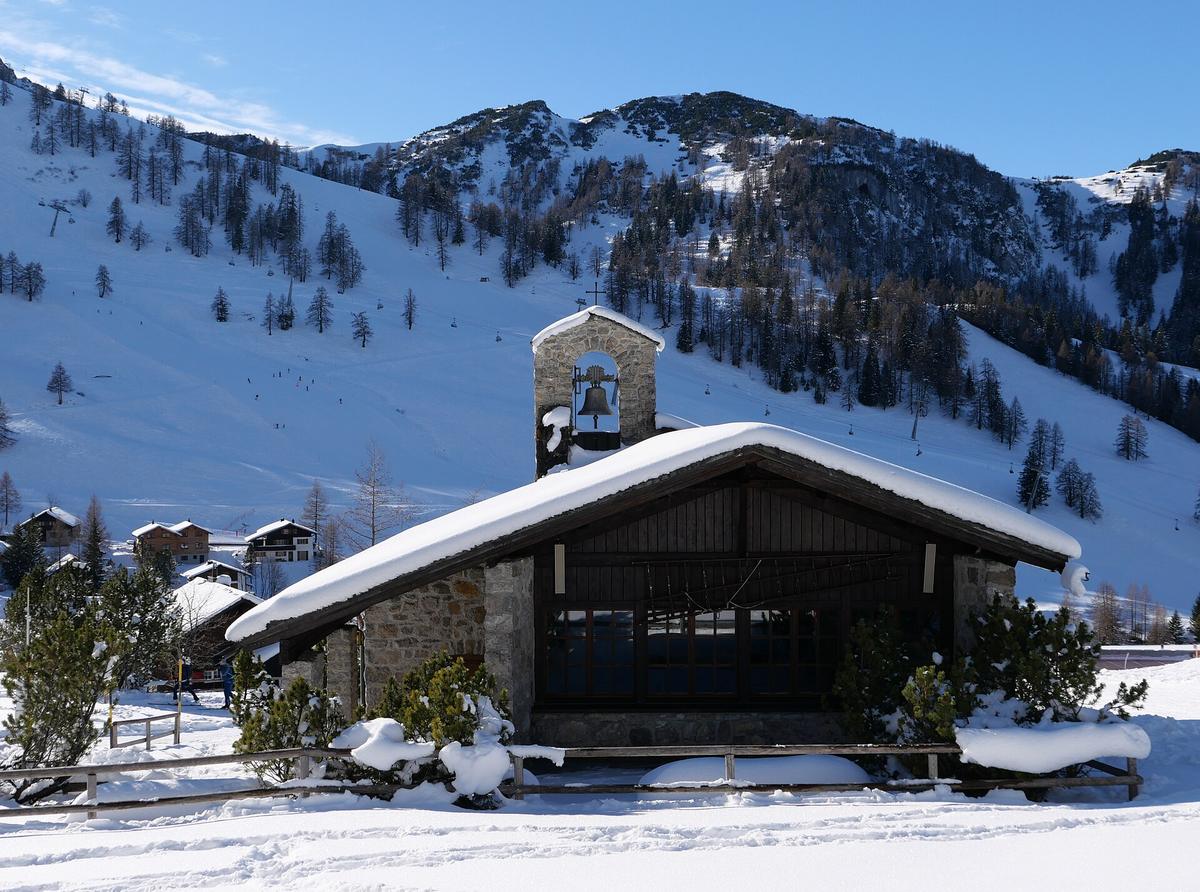
Malbun's ski season runs from early December to early April. The base elevation is 1,600 metres, and the highest lift-served point is 2,000 metres at the Sareis chairlift. This is a single small family zone, not a linked resort. If you want big ski terrain, you are 20 minutes away in Feldkirch, Austria, or 1 hour 15 minutes from the Arlberg in Switzerland.
Christmas Markets
December brings Christmas markets in Vaduz and the surrounding villages. They are small, local affairs, not the scale of Zurich or Salzburg. The value is the atmosphere: mulled wine in a pedestrian zone that is otherwise quiet, with the castle lit above you. Accommodation books out weeks ahead, so reserve by early November.
January and February
January and February are cold and clear. Snow in the capital is not guaranteed, but Malbun has reliable coverage in these months. The trade-off is short daylight: sunset before 17:00, and most restaurants close between 14:00 and 18:00, then reopen for dinner. Plan your eating around that gap.
The Dead Month: November and the Shoulder Seasons
Late autumn is the single stretch to avoid. Precipitation in Vaduz averages 1,000 mm annually, with this period among the wettest and greyest. Mountain huts close from mid-October to early December. The valley trails remain open in theory, but they are wet, muddy, and often shrouded in low cloud. The Christmas markets do not start until late in the month at the earliest. You are left with the Vaduz museums, the postage stamp museum, and a lot of damp pavement.
The spring shoulder from mid-April to late May is marginally better. Mountain lifts and restaurants are closed, but the valley trails dry out by early May. You can walk the vineyards above Triesen or the flat Ruggeller Riet bird reserve without altitude gear. Just do not plan any high alpine hiking.
The autumn shoulder from mid-October to early December is the same problem: lifts off, mountain restaurants shuttered. If you come in late September, you catch the last full weeks of alpine access and the start of wild game season in the valley restaurants. That is the best food window of the year.

| Month | Valley Trails | High Alpine Trails | Malbun Ski Lifts | Mountain Restaurants |
|---|---|---|---|---|
| January | Open, may be icy | Closed | Open | Open |
| February | Open, may be icy | Closed | Open | Open |
| March | Open, muddy | Closed | Open until early April | Open |
| April | Open | Closed | Closed after early April | Closed mid-April onward |
| May | Open | Closed until late May | Closed | Closed |
| June | Open | Open from late June | Closed | Open from late June |
| July | Open | Open | Closed | Open |
| August | Open | Open | Closed | Open |
| September | Open | Open until mid-September | Closed | Open until mid-October |
| October | Open | Closed from mid-October | Closed | Open until mid-October |
| November | Open, wet | Closed | Closed | Closed |
| December | Open, may be icy | Closed | Open from early December | Closed until early December |
How Long to Stay in Liechtenstein
One full day is enough for Vaduz. Walk to the castle viewpoint (exterior only, it is a royal residence), visit the Kunstmuseum and the National Museum, see the Treasure Chamber, and do one short valley hike. Two days only makes sense if you plan to use Liechtenstein as a hiking base, doing the Fürstensteig one day and an Appenzell day trip the next.
The common mistake is booking three or four nights and running out of material by lunch on day one. Liechtenstein is a tidy Alpine valley you can sample in a day. It is not a multi-day destination. If you have more time, use it for day trips to Feldkirch (20 minutes by bus), Sargans (25 minutes), or Appenzell (1 hour 15 minutes).
Liechtenstein suits hikers wanting well-marked trails without crowds, country collectors, and day-trippers from Zurich or eastern Switzerland. It does not suit nightlife seekers, backpackers wanting a social scene, or anyone expecting fairy-tale castles. And it especially does not suit late autumn arrivals, who will find the mountain huts closed, the trails wet, and the streets quieter than the cemetery.
Common Questions
When do the Alpine trails open in Liechtenstein?
Lower valley trails open from May to October. High alpine trails like the Fürstensteig open from late June to mid-September. The Fürstensteig closes if snow or ice covers exposed sections, which can happen into early July.
What is the worst month to visit Liechtenstein?
Late autumn. Mountain huts and lifts are closed from mid-October to early December, the valley trails are wet and muddy, and precipitation is high. The Christmas markets do not start until late in the month at the earliest.
Is Liechtenstein worth visiting in winter?
Yes, if you go between December and February. Malbun's ski area operates from early December to early April with a base at 1,600 metres and one chairlift to 2,000 metres. December also has small Christmas markets in Vaduz.
Should I avoid Liechtenstein on 15 August?
Only if you do not want to attend National Day celebrations. On 15 August, much of central Vaduz is closed for preparations and the ceremony at 20:00 near Vaduz Castle. The capital is crowded and many sights shut early. Arrive on 14 August or wait until 16 August.
How many days do I need to see Liechtenstein?
One full day is enough to see Vaduz, the castle viewpoint, two museums, and do one short valley hike. Stay two days only if you want to use it as a hiking base. Booking three or four nights is the most common mistake visitors make.
Read next
-
 Getting Around Liechtenstein Without an Airport or Border Post
There is no airport and no border post in Liechtenstein. How the bus network connects Sargans, Buchs and Feldkirch to every municipality.
Getting Around Liechtenstein Without an Airport or Border Post
There is no airport and no border post in Liechtenstein. How the bus network connects Sargans, Buchs and Feldkirch to every municipality.
-
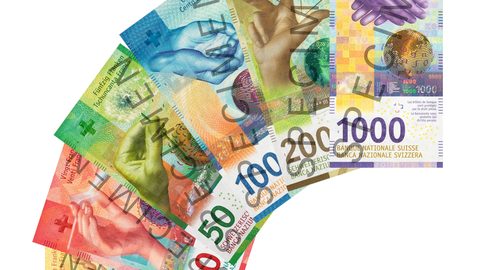 Swiss Francs in Liechtenstein and Why Euros Are a Bad Deal
Liechtenstein uses Swiss francs, not euros, though many shops take them at a bad rate. Where to get cash in Vaduz and when you'll need it.
Swiss Francs in Liechtenstein and Why Euros Are a Bad Deal
Liechtenstein uses Swiss francs, not euros, though many shops take them at a bad rate. Where to get cash in Vaduz and when you'll need it.
-
 Liechtenstein Budget Guide for a Country Priced Like Switzerland
Swiss prices in a country most people budget as European. A realistic breakdown of costs for a day trip or a two-night hiking stay in Liechtenstein.
Liechtenstein Budget Guide for a Country Priced Like Switzerland
Swiss prices in a country most people budget as European. A realistic breakdown of costs for a day trip or a two-night hiking stay in Liechtenstein.
-
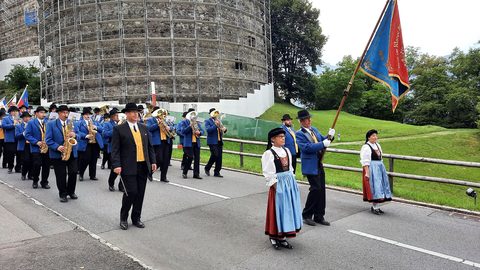 Liechtenstein Public Holidays and the Day the Prince Invites Everyone
National Day on 15 August is the big one, when the Prince invites everyone to Vaduz Castle. How public holidays and Sundays shut the country down.
Liechtenstein Public Holidays and the Day the Prince Invites Everyone
National Day on 15 August is the big one, when the Prince invites everyone to Vaduz Castle. How public holidays and Sundays shut the country down.
-
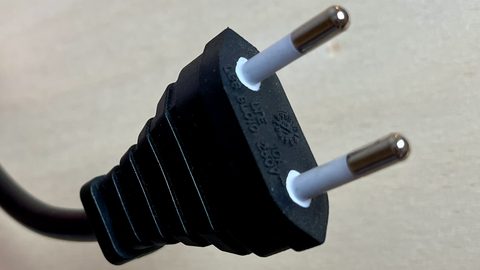 Why Your European Plug Adapter Will Fail in Liechtenstein Sockets
Liechtenstein uses the Swiss Type J socket, not the standard European one. Why your adapter probably won't fit and what to buy instead.
Why Your European Plug Adapter Will Fail in Liechtenstein Sockets
Liechtenstein uses the Swiss Type J socket, not the standard European one. Why your adapter probably won't fit and what to buy instead.
-
 SIM Cards, eSIMs, and Roaming Costs for Schengen Multi-Country Travel
Non-EU visitors face real connectivity costs across Schengen. Compare home roaming, local SIMs, and regional eSIM plans before you pack.
SIM Cards, eSIMs, and Roaming Costs for Schengen Multi-Country Travel
Non-EU visitors face real connectivity costs across Schengen. Compare home roaming, local SIMs, and regional eSIM plans before you pack.
-
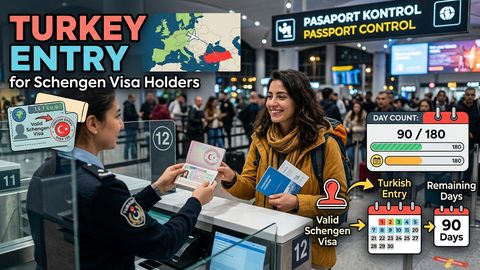 Turkey Entry for Schengen Visa Holders and How the Day Count Works
Learn how exiting Schengen for Turkey affects your 90/180-day count, plus ferry crossing options, Turkish visa requirements, and border documentation.
Turkey Entry for Schengen Visa Holders and How the Day Count Works
Learn how exiting Schengen for Turkey affects your 90/180-day count, plus ferry crossing options, Turkish visa requirements, and border documentation.
-
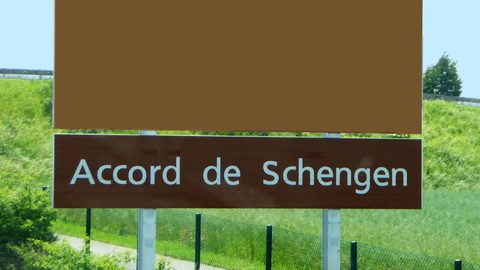 Why the Schengen Agreement Was Signed in a Village of 500 People
The Schengen Agreement was signed in a village of 500 people because it sits at the tripoint where Luxembourg, Germany and France meet, a powerful symbol for border-free travel.
Why the Schengen Agreement Was Signed in a Village of 500 People
The Schengen Agreement was signed in a village of 500 people because it sits at the tripoint where Luxembourg, Germany and France meet, a powerful symbol for border-free travel.
-
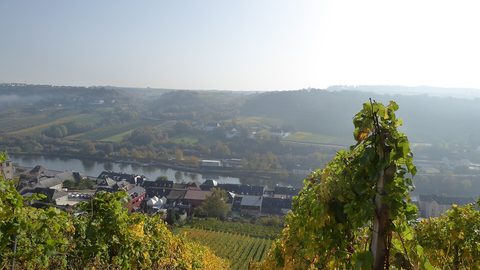 Luxembourg Moselle Wine Route Riesling Crémant and Village Cellars
The Luxembourg Moselle wine route runs through Schengen, where Riesling, Pinot Gris and Crémant de Luxembourg are poured in village cellars with river views.
Luxembourg Moselle Wine Route Riesling Crémant and Village Cellars
The Luxembourg Moselle wine route runs through Schengen, where Riesling, Pinot Gris and Crémant de Luxembourg are poured in village cellars with river views.