Daily Travel Budgets in France and How to Eat Well for Less
A realistic daily budget for France, plus the fixed-price lunch menu strategy that cuts food costs in half while letting you eat better.
A Day in France Costs Less Than You Think, If You Eat Lunch Right
The most expensive mistake travellers make in France is eating dinner. A two-course dinner at a bistro costs 28 to 45 EUR. The same meal, from the same kitchen, at lunch costs 16 to 22 EUR. That is not a discount menu. It is the fixed-price lunch menu, served only between 12:00 and 14:00. This single structural rule of French restaurant culture is the biggest lever you have to cut your daily cost without cutting quality.
France does not do all-day dining. Kitchens close firmly from 14:00 to 19:00. Outside those hours you eat a cold sandwich from a bakery or a supermarket. The lunch deal exists because the French lunch is the main meal of the day for most workers. The restaurant needs to fill seats at noon, so it prices the lunch menu aggressively. The same chef, the same produce, the same stove. The price difference is pure timing.
A realistic France daily travel budget starts with this fact. Eat your main meal at lunch and a light dinner from a supermarket or bakery. Your daily total drops by 12 to 23 EUR compared to doing the reverse. Over a week that is enough for a bottle of Burgundy or a second museum ticket.

What Three Real Days Cost: Paris, Lyon and a Market Town
Here is how the numbers work across three different settings. All prices come from the research above. These are real costs, not aspirational.
Budget Travel: 70 to 100 EUR Per Day
Start with a bakery breakfast: a croissant and coffee for 3.50 to 6.00 EUR. Lunch is the fixed menu at a bistro for 16 to 22 EUR. Dinner is a supermarket meal: a baguette (1.00 to 1.50 EUR), a slice of Camembert (2.50 to 4.00 EUR for 250g, which lasts two days), and a bottle of entry-level wine (4.00 to 8.00 EUR). You sleep in a hostel dorm: 30 to 55 EUR in Paris, 22 to 40 EUR in the regions. You ride the metro twice on a carnet ticket (1.74 EUR per ride with the 10-ticket Navigo Easy carnet at 17.35 EUR). You visit one museum: the Louvre costs 17 EUR at the door or 22 EUR online. Total: 70 to 100 EUR. This works in any city. The failure case: skipping the lunch deal and eating dinner at a bistro instead pushes you toward 100 EUR even in a dorm.
Mid Range: 180 to 280 EUR Per Day
You stay in a three-star hotel: 140 to 250 EUR in Paris, 90 to 150 EUR in the regions. Breakfast is a seated cafe coffee (2.50 to 4.50 EUR) plus a pastry. Lunch is the set menu at 16 to 22 EUR. Dinner is a bistro meal, but you pay the evening price of 28 to 45 EUR instead of the lunch price. You take three metro rides and drink one glass of wine (4.00 to 7.00 EUR). You visit one museum. The daily total lands at 180 to 280 EUR. The pivot point: swap that bistro dinner for a supermarket dinner. You save 24 to 41 EUR per day and drop into the upper end of the budget range.
Comfortable: 350 to 600 EUR Per Day
You stay in a four-star hotel in Paris. You eat a seated cafe breakfast. Lunch is a bistro set menu. Dinner is a restaurant meal. You take taxis or rideshare. You visit two museums and drink two glasses of wine. Total: 350 to 600 EUR. At this level the lunch-menu trick still saves you money, but it matters less. What matters more is booking your hotel outside trade-fair weeks. Paris during Maison&Objet in January or September sees hotel prices spike. Avoid those windows unless you are there for the fair.
The Lunch Menu Trick: How to Execute it Every Day
Find a bistro. Look for a chalkboard outside that lists a two-course fixed menu between 16 and 22 EUR. Sit down between 12:00 and 13:30. The kitchen stops serving the lunch deal at 14:00 sharp. Order the plat du jour or the set menu. You get a starter and a main, or a main and a dessert. Drink tap water (carafe d'eau), which is free by law. Skip the wine at lunch if you want; drink it with your supermarket dinner instead.
This works in Paris, Lyon, Bordeaux, and every market town. In rural areas the lunch deal can drop to 12 to 15 EUR. In tourist traps near the Eiffel Tower it may hit 25 EUR. Walk two blocks away from the landmark and the price normalises.
Dinner becomes a picnic or a bakery run. Buy a baguette, cheese, and a piece of fruit. Eat in your hotel room, on a park bench, or on a train. The failure case: it is 14:30 and you are hungry. You have missed the lunch window. Your options are a kebab shop, a supermarket sandwich, or a bakery quiche. None of these are bad, but they are not the experience you came for. Set a phone alarm for 12:30 every day.

Other Daily Costs That Add Up or Save You Money
Museum admission is the second biggest daily expense after food. The Louvre costs 22 EUR online or 17 EUR at the door. The Musée d'Orsay costs 16 EUR. The Centre Pompidou costs 15 EUR. Book the Louvre time slot online 60 days ahead if you want a morning entry. The free museum scheme runs on the first Sunday of each month, but only from October to March. If you are visiting in August, there is no free Sunday. Check the individual museum website; some museums are free year-round on the first Sunday.
Transport in Paris is cheap if you buy a carnet of 10 metro tickets on a Navigo Easy card for 17.35 EUR. That is 1.74 EUR per ride. A single T+ ticket costs 2.15 EUR. Take more than two rides per day and the carnet saves you money immediately. The failure case: buying single tickets each time because you did not look for the Navigo Easy machine at the station.
Train tickets between cities are the wildcard. A TGV from Paris to Lyon booked one to two months ahead costs 25 to 60 EUR. The same ticket bought last minute costs 80 to 120 EUR. Book early or accept the premium. Do not try to cover Paris and Nice in one trip. The train takes six hours. You will burn half your holiday in transit.
Avoid the August trap. The entire country goes on holiday. Coastal areas are overloaded. Independent shops and restaurants in cities close. If you must travel in August, stick to cities that do not empty, like Paris and Lyon, and expect higher prices. The alternative is May, June, or September, when the weather is good and the crowds are thinner.
The Single Thing That Most Often Goes Wrong
You skip the lunch deal on day one because you had a late breakfast and do not feel hungry. At 19:00 you walk into a bistro and pay 35 EUR for the same meal you could have had for 18 EUR. That 17 EUR difference is your daily budget blown on one decision. Then you repeat it the next day because you did not adjust your schedule. Set your alarm for 12:30. Eat your main meal at lunch. Let dinner be a baguette, some cheese, and a glass of wine on a bench. That is the French way anyway.
Common Questions
Does the lunch menu trick work in every city in France?
Yes, but the price varies. In Paris a two-course set menu runs 16 to 22 EUR. In Lyon the same meal is often 14 to 18 EUR. In a rural market town it can drop to 12 EUR. The rule is consistent: lunch at a bistro costs roughly half what dinner costs at the same restaurant.
What happens if I arrive at a restaurant at 14:01?
The kitchen will refuse your order. French restaurant kitchens close firmly between 14:00 and 19:00. You will eat a cold sandwich or a supermarket meal. This is the most common friction point for travellers accustomed to all-day dining.
Is the lunch menu food lower quality than the dinner menu?
No. It is the same kitchen, the same produce, often the same dishes. The price difference is structural: the restaurant needs to fill seats at lunch, so it prices aggressively. The chef does not cook worse food at noon.
What if I do not want a heavy lunch?
Order a single course from the set menu or a plat du jour alone, which is often 12 to 15 EUR. Or skip the fixed menu entirely and eat a bakery lunch: a quiche or sandwich for 5 to 8 EUR. That still keeps your daily budget under control.
Can I use the lunch menu trick on weekends?
Yes. Many bistros offer a set lunch on Saturdays and Sundays. Some are closed Sunday or Monday. Check the opening hours on Google Maps or the restaurant window the day before. In smaller towns, Sunday lunch is often the busiest meal of the week, so arrive early.
Read next
-
 Which Paris Airport to Choose and When to Fly Into a French Region Instead
How to decide between Paris CDG, Orly, or a regional French airport based on your itinerary, train connections, and total door-to-door time.
Which Paris Airport to Choose and When to Fly Into a French Region Instead
How to decide between Paris CDG, Orly, or a regional French airport based on your itinerary, train connections, and total door-to-door time.
-
 Best Time to Visit France and Why August Is the Real Trap
August looks perfect on paper but France's domestic holiday exodus closes city shops and overloads the coast. Here's when to go instead.
Best Time to Visit France and Why August Is the Real Trap
August looks perfect on paper but France's domestic holiday exodus closes city shops and overloads the coast. Here's when to go instead.
-
 SNCF Train Booking and What a French Strike Actually Does to Your Trip
French train travel means navigating TGV and TER bookings, validating paper tickets, and surviving strikes. Here's the full system.
SNCF Train Booking and What a French Strike Actually Does to Your Trip
French train travel means navigating TGV and TER bookings, validating paper tickets, and surviving strikes. Here's the full system.
-
 Tipping in France and Why Most Online Advice Gets It Wrong
Service is included on French restaurant bills, and most tipping advice online is wrong. Here's what locals actually expect, plus card rules.
Tipping in France and Why Most Online Advice Gets It Wrong
Service is included on French restaurant bills, and most tipping advice online is wrong. Here's what locals actually expect, plus card rules.
-
 France Safety Guide Where Pickpocketing Is the Real and Concentrated Risk
Violent crime against tourists in France is rare, but pickpocketing is concentrated on the CDG RER B, Louvre queues, and Gare du Nord.
France Safety Guide Where Pickpocketing Is the Real and Concentrated Risk
Violent crime against tourists in France is rare, but pickpocketing is concentrated on the CDG RER B, Louvre queues, and Gare du Nord.
-
 French Public Holidays and the May Bridge Habit You Need to Know
French public holidays trigger the bridge habit of taking extra days off. May is the worst for closures and crowded trains. Plan around it.
French Public Holidays and the May Bridge Habit You Need to Know
French public holidays trigger the bridge habit of taking extra days off. May is the worst for closures and crowded trains. Plan around it.
-
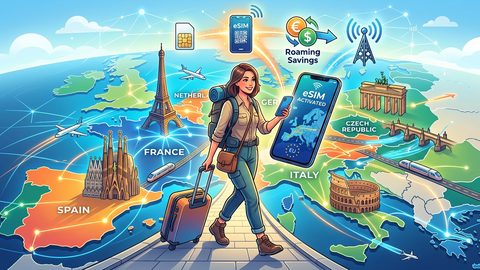 SIM Cards, eSIMs, and Roaming Costs for Schengen Multi-Country Travel
Non-EU visitors face real connectivity costs across Schengen. Compare home roaming, local SIMs, and regional eSIM plans before you pack.
SIM Cards, eSIMs, and Roaming Costs for Schengen Multi-Country Travel
Non-EU visitors face real connectivity costs across Schengen. Compare home roaming, local SIMs, and regional eSIM plans before you pack.
-
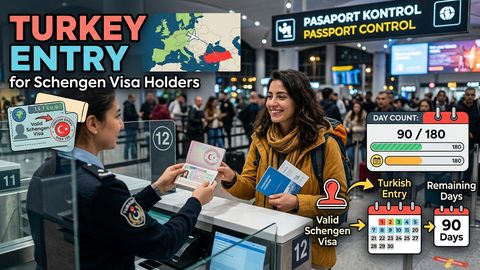 Turkey Entry for Schengen Visa Holders and How the Day Count Works
Learn how exiting Schengen for Turkey affects your 90/180-day count, plus ferry crossing options, Turkish visa requirements, and border documentation.
Turkey Entry for Schengen Visa Holders and How the Day Count Works
Learn how exiting Schengen for Turkey affects your 90/180-day count, plus ferry crossing options, Turkish visa requirements, and border documentation.
-
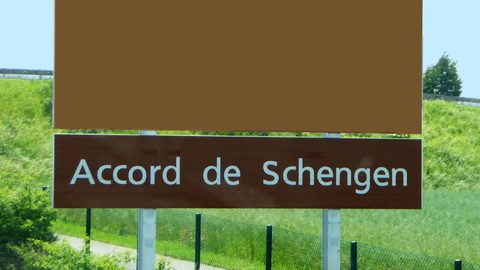 Why the Schengen Agreement Was Signed in a Village of 500 People
The Schengen Agreement was signed in a village of 500 people because it sits at the tripoint where Luxembourg, Germany and France meet, a powerful symbol for border-free travel.
Why the Schengen Agreement Was Signed in a Village of 500 People
The Schengen Agreement was signed in a village of 500 people because it sits at the tripoint where Luxembourg, Germany and France meet, a powerful symbol for border-free travel.