Service Compris Means Service Is Included, and Other French Money Truths
Service is included on French restaurant bills, and most tipping advice online is wrong. Here's what locals actually expect, plus card rules.
The 15% Tip Rule You Should Ignore in France
Nearly every travel blog tells you to tip 15 to 20 percent on restaurant meals in France. That advice is wrong. French law already includes a service charge in every menu price. Article L441-3 of the Code de Commerce makes service compris mandatory. The price you see on the menu is what you pay. No math. No calculator. No guilt.
Pourboire, the French word for a tip, is optional. It is a bonus for notably good service, not a wage subsidy. Servers in France earn a proper minimum wage with benefits and paid leave. They do not depend on your tip to make rent. That is the fundamental difference between the American system and the French one.
If you leave a 15 percent tip on a 50 euro meal, you are overpaying by about 7 euros. Worse, you are reinforcing a myth that makes other travellers feel pressured to follow suit. Stop doing it.
When a Small Cash Gesture Matters
Where to Leave a Pourboire
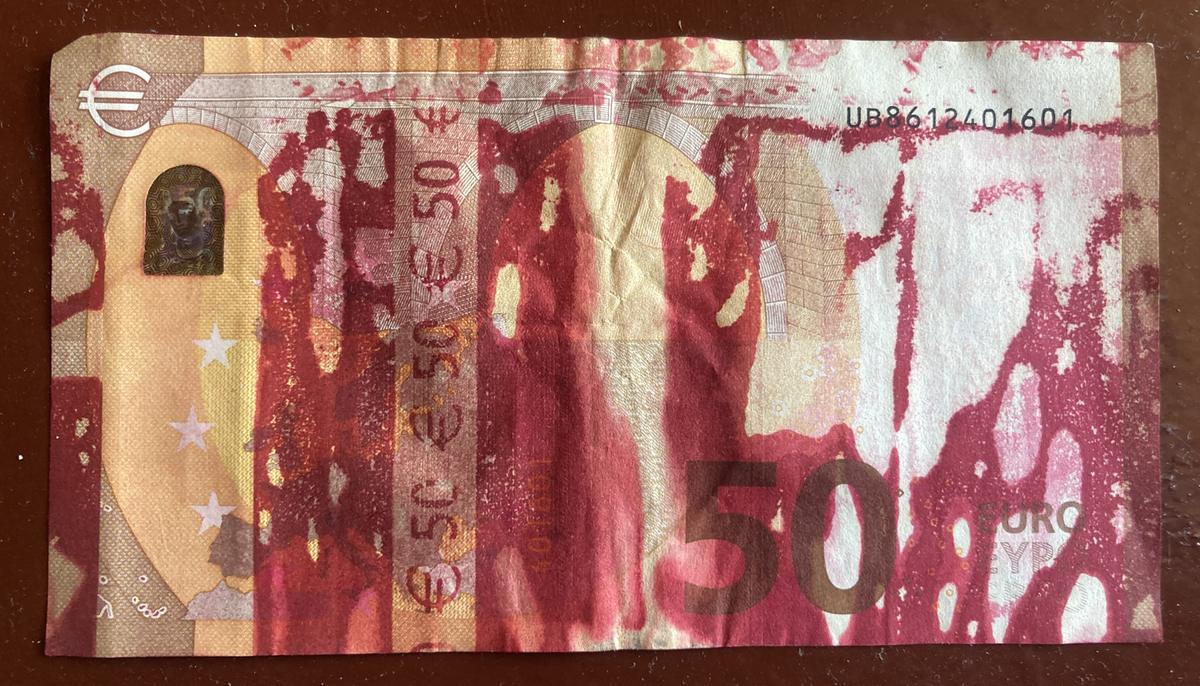
You are not banned from tipping in France. You just do not need to tip as much as you think. The standard pourboire for a meal where the service was genuinely excellent is rounding up to the nearest euro or leaving 1 to 5 euros in cash. Hand it directly to the server. Do not add it to the card payment; cash ensures it goes to the person who served you.
For a coffee at a bar counter, leave a small coin, 20 to 50 cents. For a hotel porter who carries your bag to the room, 1 to 2 euros per bag. For a guide on a half day walking tour, 5 to 10 euros for a group, more for a private tour. In each case, the amount is small, the gesture is personal, and the recipient will genuinely appreciate it because they did not expect it.
How to Handle Change
The failure case: if you hand over a 10 euro note for a 4 euro coffee, the server will almost certainly bring you change for the full amount. That is not rudeness. That is the default assumption that you made a mistake. Say "gardez la monnaie" (keep the change) if you want them to keep it.
Chip and PIN is Not Optional. it is Required
Test Your Card Before You Fly
Your magnetic stripe card from the United States will fail at automated fuel pumps and highway toll booths across France. Those machines require a chip and a four digit PIN. No chip, no fuel. No PIN, no toll. This is not a suggestion. It is a hardware limitation.
Before you leave, call your bank and confirm that your card has an active chip and that you have a working PIN. Many US banks issue chip cards but set the PIN to a default that you never activated. Test it at an ATM before you fly.
Carry Cash for the Gaps
If your card fails at a rural fuel pump at 10pm and the station is unattended, you have no backup. The nearest staffed station may be 20 minutes away and closed. Carry at least 50 euros in cash for exactly this scenario. You will need it for toll booths that only accept cash, for village bakeries that do not take cards, and for public toilets that require coins, 50 cents to 1 euro.
Cash Versus Card Across Urban and Rural France
In Cities, Card Rules
In Paris, Lyon, Bordeaux, and Nice, you can pay by card for almost everything. Visa and Mastercard are widely accepted. American Express is not; many smaller merchants and some restaurants decline it outright. Carry a backup Visa or Mastercard. Contactless payments work for transactions up to 50 euros per tap. If you use Apple Pay or Google Pay, the limit may be higher, but it depends on the terminal and your bank.
Some merchants impose a minimum card spend, usually between 5 and 15 euros. This is legal if the minimum is clearly displayed. If you only want a 2 euro baguette and a 1 euro pastry, you need cash.
In the Countryside, Carry Cash
In rural areas, the situation flips. Many village bakeries, small grocery stores, and market stalls accept only cash. Outdoor markets, especially food markets, are cash only. If you are visiting a market town on a Tuesday morning and the nearest ATM is 10 kilometres away, you will be stuck. Withdraw cash when you see a bank owned ATM, not a Euronet or Travelex machine in a tourist area. Those private ATMs charge 3 to 5 euros per withdrawal. The fee must be displayed on screen before you confirm, but many travellers accept it anyway because they have no choice. Avoid that by getting cash at a proper bank ATM inside a city. While France uses the euro, crossing into the Schengen Area does not change the currency, but the same cash rules apply in rural villages from the French Pyrenees to the Italian Dolomites.


Dynamic Currency Conversion: How to Say No
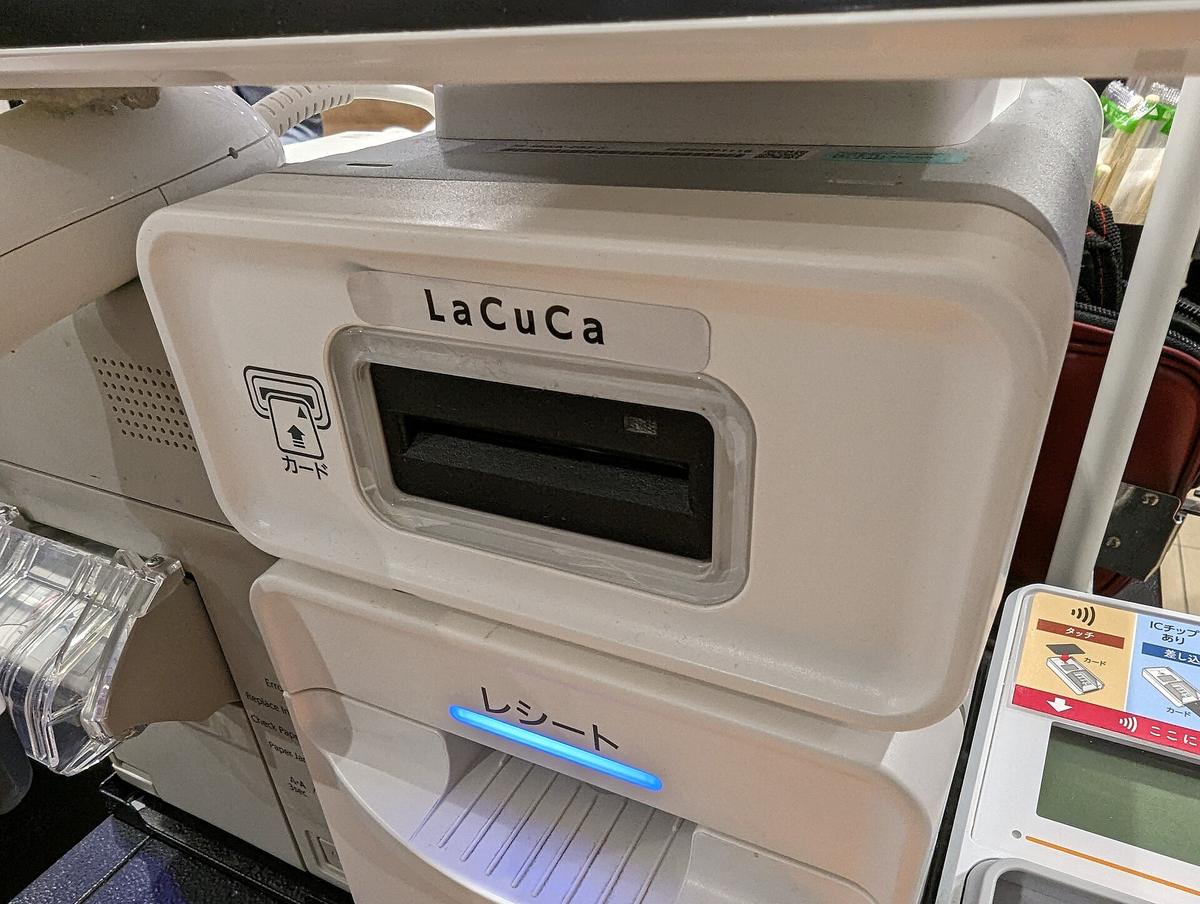
When you use your foreign card at a French terminal, the machine may ask if you want to pay in your home currency instead of euros. This is called Dynamic Currency Conversion, or DCC. Always decline it. The exchange rate DCC offers is almost always worse than the rate your bank would give you. The terminal will show the euro amount first, then ask if you want to convert. Hit "no" or "decline" every single time.
The same trap exists at private ATMs. The screen will offer to convert the withdrawal to your currency. Say no. Pay in euros. Your bank will handle the conversion on their terms, which are better.
If you cannot read the screen because it switches to English and asks a confusing question, the safest move is to cancel the transaction and try a different terminal. The 30 seconds it costs you will save 3 to 5 percent on the exchange rate.
The One Thing That Trips Up Everyone on Money in France
The biggest mistake travellers make with money in France is assuming that the American tipping model applies. It does not. You will not offend anyone by not tipping. You will not be chased out of a restaurant. The bill says service compris and it means exactly that.
But the second biggest mistake is arriving without a chip and PIN card and then getting stranded at an unattended fuel pump in a rural area at dusk. That scenario is not rare. It happens to travellers every week. The solution is simple: confirm your chip and PIN works before departure, carry 50 to 100 euros in small bills and coins, and decline every currency conversion offer you see.
Common Questions
Is it true that tips are already included in the bill in France?
Yes. French law requires restaurants and bars to display prices that include the service charge. This is called service compris. You do not need to add anything unless you want to reward exceptional service, in which case 1 to 5 euros in cash is standard.
What happens if I try to use an American credit card without a chip at a fuel pump?
The pump will reject your card. Automated fuel pumps and toll booths require a chip and a four digit PIN. Magnetic stripe cards do not work. Carry a chip card with a working PIN and keep 50 euros in cash as backup.
Can I use Apple Pay or Google Pay for contactless payments in France?
Yes, at most terminals that accept contactless payments. The standard contactless limit is 50 euros per transaction. With a mobile wallet the limit is often higher, but it depends on the terminal and your bank. Always have a physical card and cash as backup.
Should I tip hotel housekeeping in France?
It is not expected, but a small gesture of 1 to 2 euros per night left in the room with a note is appreciated. The same goes for porters: 1 to 2 euros per bag is polite but not required.
What is Dynamic Currency Conversion and should I accept it?
DCC is an option offered at many payment terminals and ATMs to charge you in your home currency instead of euros. Decline it every time. The exchange rate is poor, and your bank will give you a better rate if you pay in euros.
Read next
-
 Which Paris Airport to Choose and When to Fly Into a French Region Instead
How to decide between Paris CDG, Orly, or a regional French airport based on your itinerary, train connections, and total door-to-door time.
Which Paris Airport to Choose and When to Fly Into a French Region Instead
How to decide between Paris CDG, Orly, or a regional French airport based on your itinerary, train connections, and total door-to-door time.
-
 Best Time to Visit France and Why August Is the Real Trap
August looks perfect on paper but France's domestic holiday exodus closes city shops and overloads the coast. Here's when to go instead.
Best Time to Visit France and Why August Is the Real Trap
August looks perfect on paper but France's domestic holiday exodus closes city shops and overloads the coast. Here's when to go instead.
-
 SNCF Train Booking and What a French Strike Actually Does to Your Trip
French train travel means navigating TGV and TER bookings, validating paper tickets, and surviving strikes. Here's the full system.
SNCF Train Booking and What a French Strike Actually Does to Your Trip
French train travel means navigating TGV and TER bookings, validating paper tickets, and surviving strikes. Here's the full system.
-
 France Safety Guide Where Pickpocketing Is the Real and Concentrated Risk
Violent crime against tourists in France is rare, but pickpocketing is concentrated on the CDG RER B, Louvre queues, and Gare du Nord.
France Safety Guide Where Pickpocketing Is the Real and Concentrated Risk
Violent crime against tourists in France is rare, but pickpocketing is concentrated on the CDG RER B, Louvre queues, and Gare du Nord.
-
 What a Day in France Costs and the Lunch Menu Trick That Halves It
A realistic daily budget for France, plus the fixed-price lunch menu strategy that cuts food costs in half while letting you eat better.
What a Day in France Costs and the Lunch Menu Trick That Halves It
A realistic daily budget for France, plus the fixed-price lunch menu strategy that cuts food costs in half while letting you eat better.
-
 French Public Holidays and the May Bridge Habit You Need to Know
French public holidays trigger the bridge habit of taking extra days off. May is the worst for closures and crowded trains. Plan around it.
French Public Holidays and the May Bridge Habit You Need to Know
French public holidays trigger the bridge habit of taking extra days off. May is the worst for closures and crowded trains. Plan around it.
-
 SIM Cards, eSIMs, and Roaming Costs for Schengen Multi-Country Travel
Non-EU visitors face real connectivity costs across Schengen. Compare home roaming, local SIMs, and regional eSIM plans before you pack.
SIM Cards, eSIMs, and Roaming Costs for Schengen Multi-Country Travel
Non-EU visitors face real connectivity costs across Schengen. Compare home roaming, local SIMs, and regional eSIM plans before you pack.
-
 Turkey Entry for Schengen Visa Holders and How the Day Count Works
Learn how exiting Schengen for Turkey affects your 90/180-day count, plus ferry crossing options, Turkish visa requirements, and border documentation.
Turkey Entry for Schengen Visa Holders and How the Day Count Works
Learn how exiting Schengen for Turkey affects your 90/180-day count, plus ferry crossing options, Turkish visa requirements, and border documentation.
-
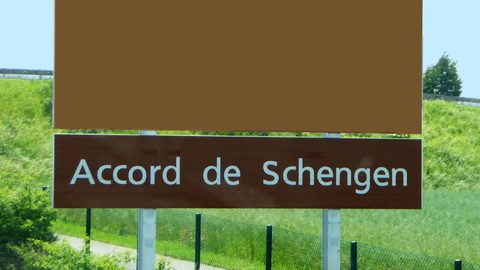 Why the Schengen Agreement Was Signed in a Village of 500 People
The Schengen Agreement was signed in a village of 500 people because it sits at the tripoint where Luxembourg, Germany and France meet, a powerful symbol for border-free travel.
Why the Schengen Agreement Was Signed in a Village of 500 People
The Schengen Agreement was signed in a village of 500 people because it sits at the tripoint where Luxembourg, Germany and France meet, a powerful symbol for border-free travel.