Counting Schengen Days When You Enter and Leave More Than Once
A practical guide to Counting Schengen Days When You Enter and Leave More Than Once.
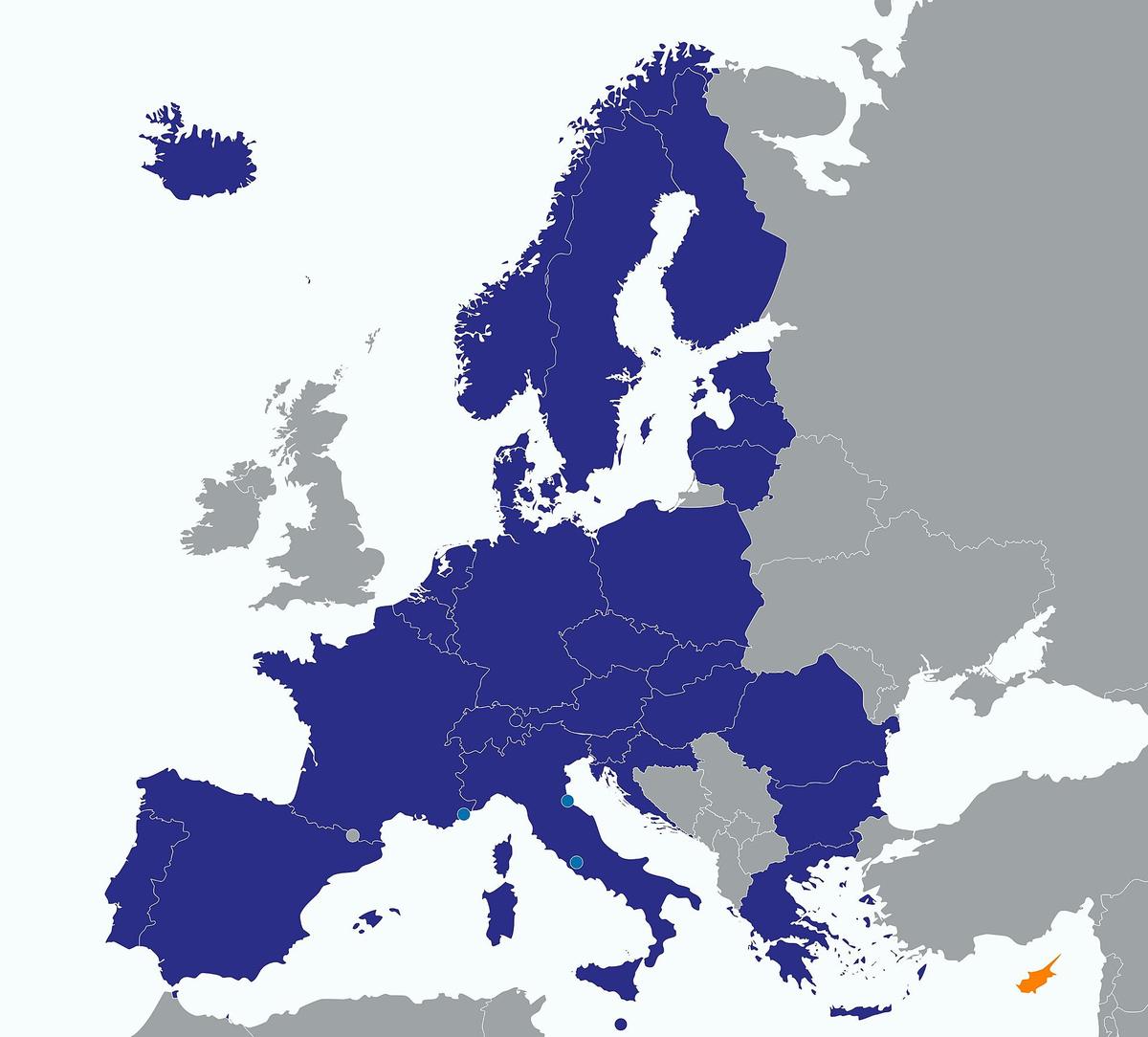

Why counting Schengen days gets complicated with multiple trips
The 90/180-day rule sounds simple until you leave and re-enter the Schengen Area more than once. A single two-week holiday is easy to tally. But when trips overlap the rolling window, or when you cross a border at midnight and wonder which day counts, the arithmetic stops being intuitive. The core principle is that you are never allowed more than 90 days of presence inside Schengen during any 180-day period, and that period moves forward every single day. There is no reset button when you exit. Days fall away only when they age beyond the 180-day lookback, one at a time.
What makes this especially tricky for frequent travellers is that the entry date and the exit date both count as full days of stay, regardless of whether you arrived at 10:00 or 23:59. A weekend trip from Saturday morning to Sunday evening consumes two days from your budget, not zero or one. When you string together several short visits across a six-month span, those full-day counts accumulate in ways that can surprise even careful planners.
the guidance focuses on the narrow problem of calculating your remaining allowance when you have overlapping trips, non-consecutive stays, or multiple entries and exits. It does not repeat general Schengen entry rules or visa application procedures. Instead, it walks through the counting method that border authorities use, explains how the rolling window behaves across several trips, and points to the official tools that do the heavy arithmetic for you.
The rolling window does not reset when you leave
The single most important concept to internalise is the rolling 180-day window. On any given day that you are physically present in the Schengen Area, you must look back over the preceding 180 days and count every day you spent inside. That total must not exceed 90. The window moves forward with the calendar. Tomorrow, the lookback period shifts by one day, and any stay days that are now older than 180 days drop out of the count.
Leaving the Schengen Area does not reset anything. If you spend 30 days in France during January, leave for two months, and return in April, those January days are still inside the 180-day window and still count against your 90-day budget. They will only disappear one by one, exactly 180 days after each was spent. An absence of 90 consecutive days outside Schengen does create a fresh situation: after such a gap, you can begin a new stay of up to 90 days because all previous stay days will have aged out of the window by the time you re-enter. But shorter absences merely pause the clock without clearing the history.
This behaviour is why overlapping trips cause confusion. A traveller who makes several short visits within a six-month period may find that the earliest trip is still partially inside the window when the latest trip begins. The count on any given date is the sum of all stay days from all trips that fall within the preceding 180 days, regardless of how many separate entries and exits occurred.
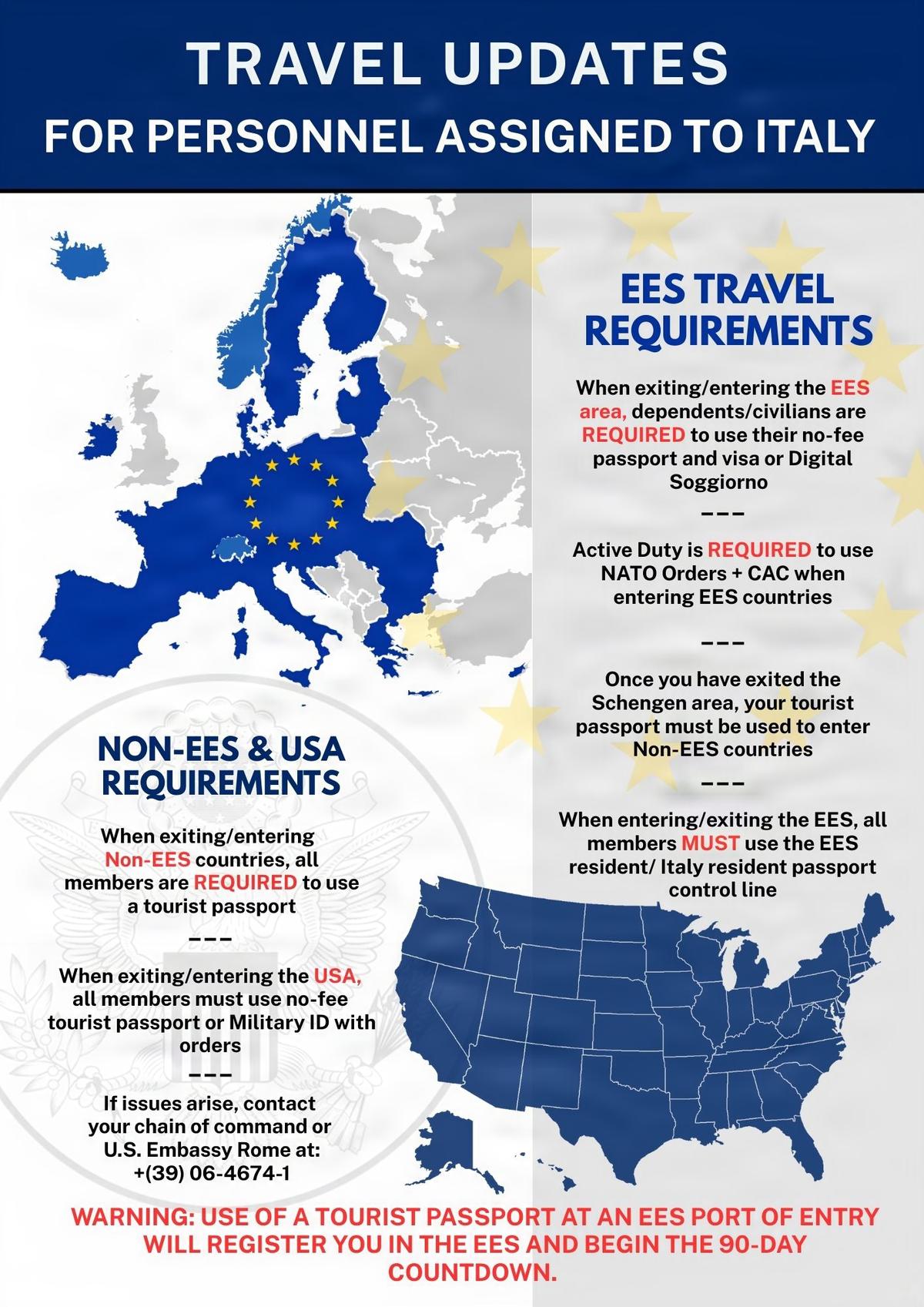

Every entry and exit day counts as a full day
The Schengen Borders Code is unambiguous: the date of entry counts as the first day of stay, and the date of exit counts as the last day. Both are full days irrespective of the time of day. A traveller who flies into Berlin at 23:00 on a Friday and flies out at 06:00 on Sunday has used three days: Friday, Saturday, and Sunday. The same applies to border crossings by train, bus, or on foot. There is no partial-day credit.
This rule interacts with the rolling window in a way that can trip up people who plan by nights rather than by dates. Hotel bookings often cover nights, but the Schengen calculator counts calendar days of presence. A seven-night stay typically spans eight calendar days once you include the arrival and departure dates. When you are close to the 90-day limit, those extra two days per trip can be the difference between compliance and an overstay.
For multiple trips, the practical advice is to list every single calendar date you were inside the Schengen Area, including both the entry and exit dates of each trip, and then check how many of those dates fall within the 180-day window ending on the day you plan to be present. Doing this by hand for a year of irregular travel is tedious and error-prone, which is why the official calculator exists.
Overlapping stays and the pooled budget across all Schengen countries
Some travellers assume that moving from one Schengen country to another resets something, or that each member state has its own 90-day allowance. That is incorrect. The 90-day budget is pooled across all 29 Schengen countries. A day spent in Spain and a day spent in Germany draw from the same single allowance. If you spend 45 days in Italy and then 45 days in Portugal within the same 180-day window, you have reached the limit, even though neither country individually hosted you for 90 days.
There is also a rule that prevents double-counting. If you are in two Schengen countries on the same calendar day, that day counts as a single day of presence, not two. Crossing a land border at noon does not add an extra day to your tally. The count is based on presence anywhere within the Schengen territory, not on the number of border crossings or passport stamps. With the Entry/Exit System now operational, every entry and exit is recorded digitally, which makes the record of presence more precise, but the counting methodology remains the same: one calendar day of presence equals one day from your budget, regardless of how many internal borders you crossed.
Periods authorised under a residence permit or a long-stay visa, such as a D-type visa issued by a specific member state, are excluded from the 90/180-day calculation. Those days do not consume your short-stay allowance. If you hold such a permit, you should carry evidence of it when travelling, because the official calculator does not automatically know about it and border officers will need to verify your status.
Using the official short-stay calculator for complex itineraries
The European Commission provides a free short-stay calculator designed specifically to handle multiple trips and the rolling window. It has two modes. The Check mode lets you enter a series of past and planned entry and exit dates and then asks for a specific date on which you intend to be inside Schengen. It calculates how many days you have used in the preceding 180 days and tells you whether you would be compliant on that date. The Planning mode works forward from a future entry date and tells you the maximum number of days you could stay continuously from that point, given your travel history.
For travellers with overlapping trips, the Check mode is the safer starting point. You can input every trip you have taken or plan to take, and then test several future dates to see how your allowance evolves as older days age out of the window. This is far more reliable than mental arithmetic, especially when trips are close together or when you are trying to maximise a stay near the 90-day boundary.
The calculator is a helping tool, not a legal guarantee. The final decision on whether you may enter and how long you may stay rests with the border authorities of the member state you are entering. The calculator applies the same rules that officers use, but it cannot account for individual circumstances such as residence permits, visa validity limitations, or national entry bans. Always treat its output as a planning aid rather than a right to stay.
Practical steps to verify your count before travelling
Before booking a trip that might push you close to the 90-day limit, take a methodical approach. First, gather the exact entry and exit dates for every trip you have taken to the Schengen Area in the past six months. Include the dates you plan to travel. Second, open the official short-stay calculator and enter those dates in chronological order. Third, run the Check mode for the first day of your planned trip and for the last day. If both show compliance, and if you have not omitted any past trips, you have a reasonable basis to proceed.
If the calculator shows that you would exceed 90 days on a future date, you have two levers: delay your entry until enough old days have aged out of the window, or shorten your stay so that you exit before the limit is reached. Because the window rolls forward daily, waiting even a week can sometimes free up enough days for a short visit. The Planning mode can help you identify the earliest date on which a given stay length becomes possible.
For travellers who cross Schengen borders frequently, keeping a personal log of entry and exit dates is a sensible habit. The Entry/Exit System now records these digitally, but you do not have direct access to that database at the border. Your own records let you cross-check the calculator and answer questions from border officers with confidence. If you hold a residence permit or long-stay visa from a Schengen country, carry it with you and be prepared to explain which periods of presence were authorised under that permit rather than under the short-stay rules.
Sources and verification
- eur-lex.europa.eu — Research source checked for this guide
- ec.europa.eu — Research source checked for this guide
- sem.admin.ch — Research source checked for this guide
- home-affairs.ec.europa.eu — Research source checked for this guide
- home-affairs.ec.europa.eu — Research source checked for this guide
- home-affairs.ec.europa.eu — Research source checked for this guide
Read next
-
 A Car Free Benelux and Luxembourg Route With Short Transfer Days
A practical guide to A Car Free Benelux and Luxembourg Route With Short Transfer Days.
-
 Prescription Medicine Across Schengen Borders Documents and Limits
A practical guide to Prescription Medicine Across Schengen Borders Documents and Limits.
-
Lost Passport During a Schengen Trip What to Do Next
A practical guide to Lost Passport During a Schengen Trip What to Do Next.
-
 Temporary Schengen Border Checks and What Changes for Rail Trips
A practical guide to Temporary Schengen Border Checks and What Changes for Rail Trips.
-
 Schengen Member Countries and the Ones People Get Wrong
Which countries are in the Schengen Area, the ones people get wrong, and the difference between Schengen and EU membership.
-
 Schengen Border Checks and When Invisible Borders Return
The borders that are supposed to be invisible, and when temporary checks, police stops, and document demands return.
-
 A Two-Week Schengen Phone Checklist for a Four-Country Trip
Plan a two-week, four-country Schengen trip with phone checks for EU roaming, data limits, border switching, offline documents, and emergency calls.
-
 Flight Delays and Schengen Overstay Risk Under the 90-Day Rule
A flight delay on day 89 or 90 inside Schengen can tip you into overstay. Know your rights, your documentation, and exactly what to do.
-
 SIM Cards, eSIMs, and Roaming Costs for Schengen Multi-Country Travel
Non-EU visitors face real connectivity costs across Schengen. Compare home roaming, local SIMs, and regional eSIM plans before you pack.